



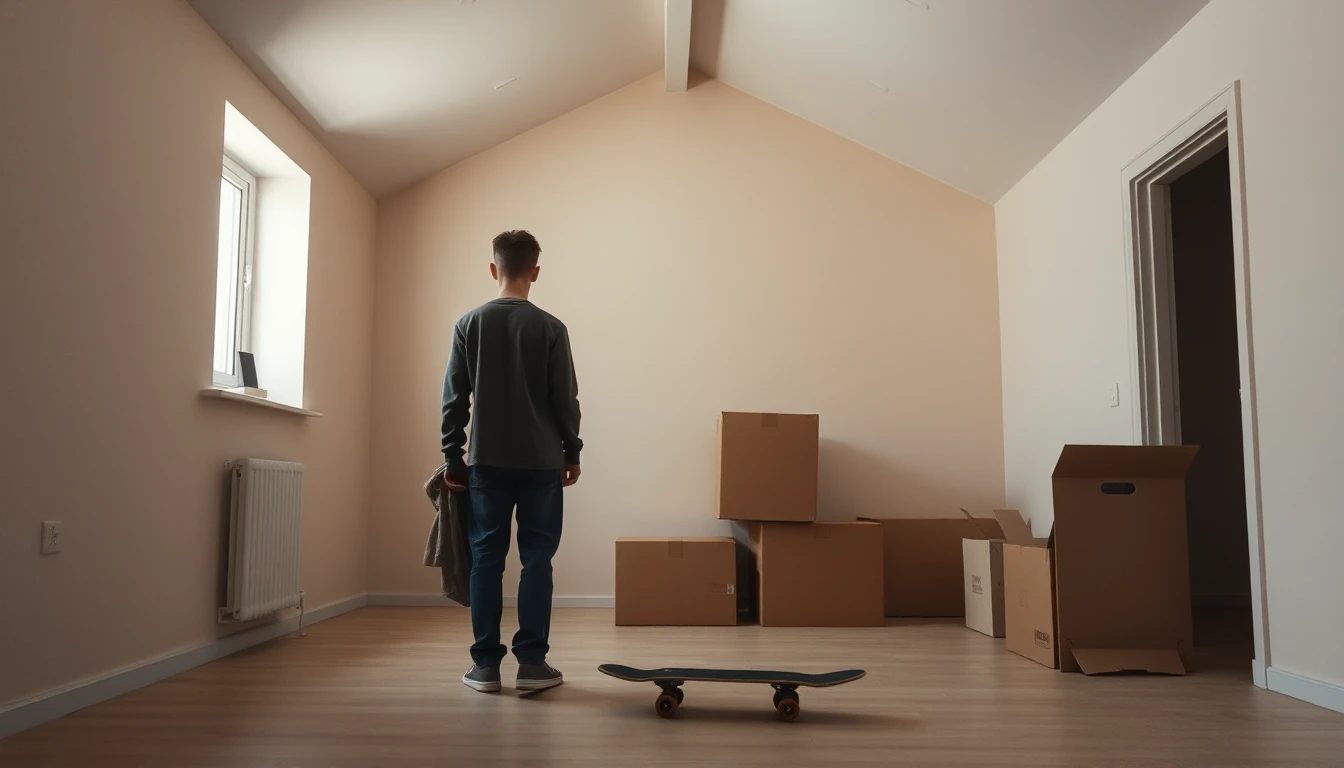
For adults, moving may mean a shorter commute or more space. Young people also think about their place of retreat, the familiar meeting spot and people who will soon live further away. These perspectives do not need to be played off against each other. A shared plan makes visible what should work in the new place and which connections to the previous daily life can be maintained.
Participation needs an honest framework
First say which decision has already been made and where input is still possible. A conversation about curtains should not be announced as if the entire place of residence could still be decided there. Conversely, genuinely open questions can be lost if adults already determine every single detail on their own.
Ask about concrete situations rather than a blanket approval of the move. What will be needed after an ordinary school day? Where should homework be done, phone calls made, music listened to or time alone spent? Such descriptions help with room planning without making a psychological judgement of the answers.
Explore the new everyday life together
Plan a visit to the future location with a limited brief. Look at the actual routes and the destinations important to the young person, insofar as these are already established. Distinguish a route tried for yourself from a connection still to be tested. A pleasant outing does not automatically answer the question about the ordinary daily routine.
School transfer, childcare, training and other formal processes are checked according to the competent place and the specific case. This article does not specify uniform Austrian-German deadlines and does not decide custody or co-determination rights. It supplements that clarification with a joint practical preparation.
Don't treat the room merely as a layout plan
Consider which existing items should actually come along and which functions are missing. Retreat can be linked to a clear agreement about entering the room, not just to additional space. A shared room requires different arrangements than a room of one’s own.
Leave decisions open that only make sense after a few genuine everyday days. Immediate full redecoration is not a prerequisite for taking needs seriously. A small provisional solution should, however, be understood jointly as such, rather than remaining unnoticed as permanent.
Relationships need a realistic path
Talk about which previous contacts are important and how meetings can actually be organised. Travel, time and money belong together. Do not promise a regular trip whose implementation has not yet been clarified.
In the fictional example, a young woman wants to continue visiting her previous leisure group. The family jointly checks the actual weekly rhythm and the possibilities for the outward and return journeys. Not every appointment can be continued as before. They therefore agree on a realistic initial phase and a date on which the experience will be discussed. The plan does not replace a guarantee that all changes will feel pleasant.
Listen again after the move
Ask again about the first ordinary weeks: Which routes are more difficult than expected? What is missing in the room? Which arrangement does not work? Choose concrete, changeable points rather than treating every piece of feedback as a judgement about the whole move.
Adults may also state what they still do not know or are able to enable. In the case of significant strain or conflicts, appropriate personal support is a step in itself. This organisational assistance does not promise a particular reaction to a change of residence. It creates a framework in which young people can help shape their actual future everyday life and their questions do not disappear between furniture transport and the folder of contracts.