



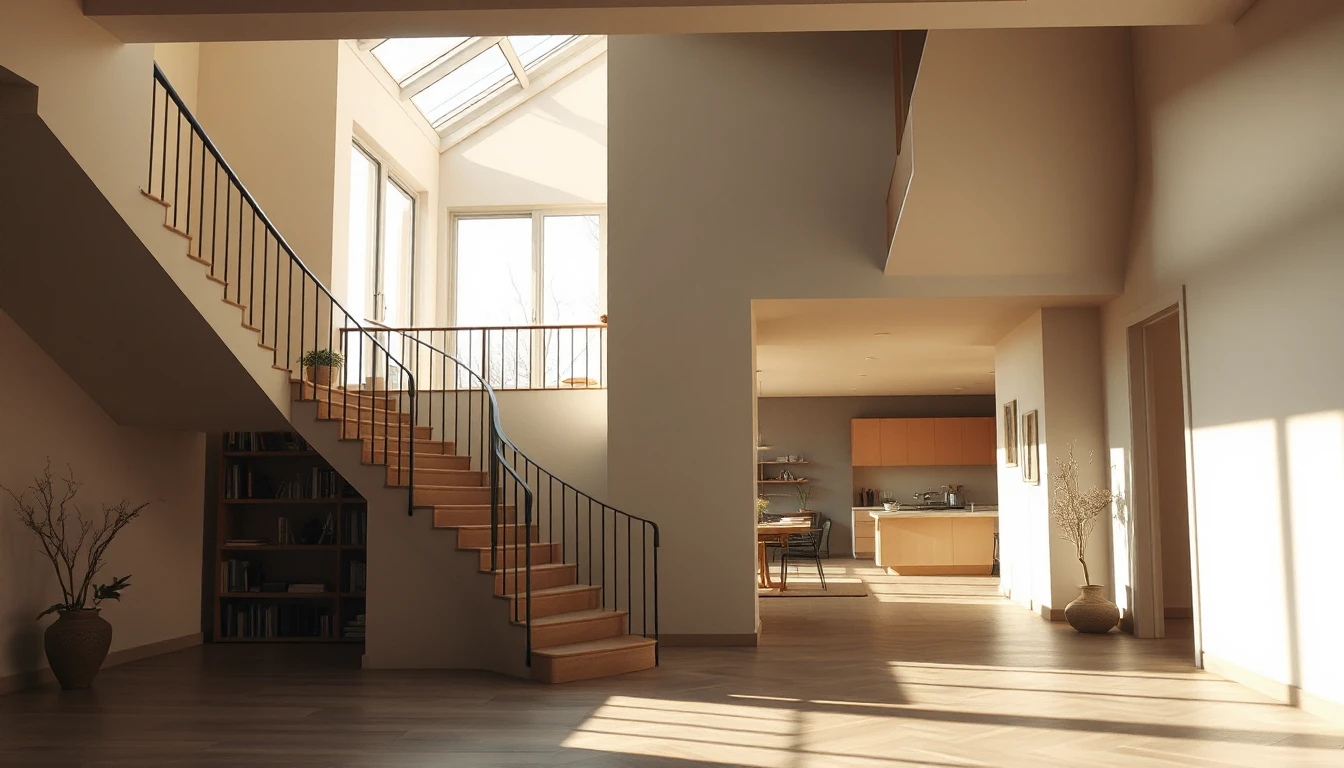
The adults are looking forward to a shared flat. At the first furniture plan, however, an open question becomes apparent: which personal spaces do the children have, who are not all living there every day? A shared family household cannot be organised solely according to the number of permanently present people. The following procedure is an editorial conversation aid, not a family-law or psychological prescription.
Do not allocate the rooms first
Start with a sample week discussed together. Who is present when, who needs the same rooms in the mornings, and which recurring activities should be possible at the same time? Add another weekly scenario, for example holidays or a weekend with everyone involved. This does not establish any family-law custodial rule; you are merely describing the living situations you want to plan for.
Ask each person about a concrete personal need. “I would like to be able to leave my unfinished drawing lying around” is easier to work with than the general demand for more space. “I need a quiet place in the evening for a conversation” describes something different from an additional bed. Hear these wishes before the adults present the whole furnishing as already decided.
The hypothetical flat with the seemingly spare room
In a planned four-room flat one room is intended to serve as a daily study and as a children’s room on some days. At first this seems like an economical dual use. In the discussion, however, the child concerned wants to know where personal things will stay and whether the desk will also be used for work during their stay.
The adults recognise that they have so far scheduled two full uses for the same time. They do not automatically decide for or against the model. They examine another work option, fixed retreat times and an area permanently assigned for personal things. The child does not have to justify their presence each time against an undisturbed workplace.
A real usage plan emerges from the conversation. It also makes visible if the flat still offers no viable answer for a significant need.
Together does not mean everything must be shared
When merging households, sort items by importance and actual use. Which things belong to a single person, which are intentionally used together and which are temporarily just stored? Do not put personal items up for passing on without asking merely for the sake of space. For unresolved questions of ownership or compensation this conversation does not replace a legal classification.
For the new everyday life a few understandable agreements help: where can something be left, when is a shared room needed and how is a change announced? A rule should enable concrete cohabitation. It does not have to anticipate every conceivable exception or evaluate another existing household.
Agree a changeable start
Arrange a first review after a mutually chosen period. This is not about rating individual people. Ask which uses actually work, where it repeatedly becomes cramped and which agreement unintentionally excludes another person. First change the visible routine or the furnishings, rather than hastily assuming a lack of adjustment.
Contractual questions about the new flat, existing obligations and family-law regulations will be settled appropriately regardless. The household plan does not replace these tasks. But it provides the facts about which living situation is to be created at all.
A good starting point is reached when personal places, shared areas and changing presences have been explicitly discussed. The new flat may develop. It should contain more than the hope that after moving all the furniture everyone will find their place.