



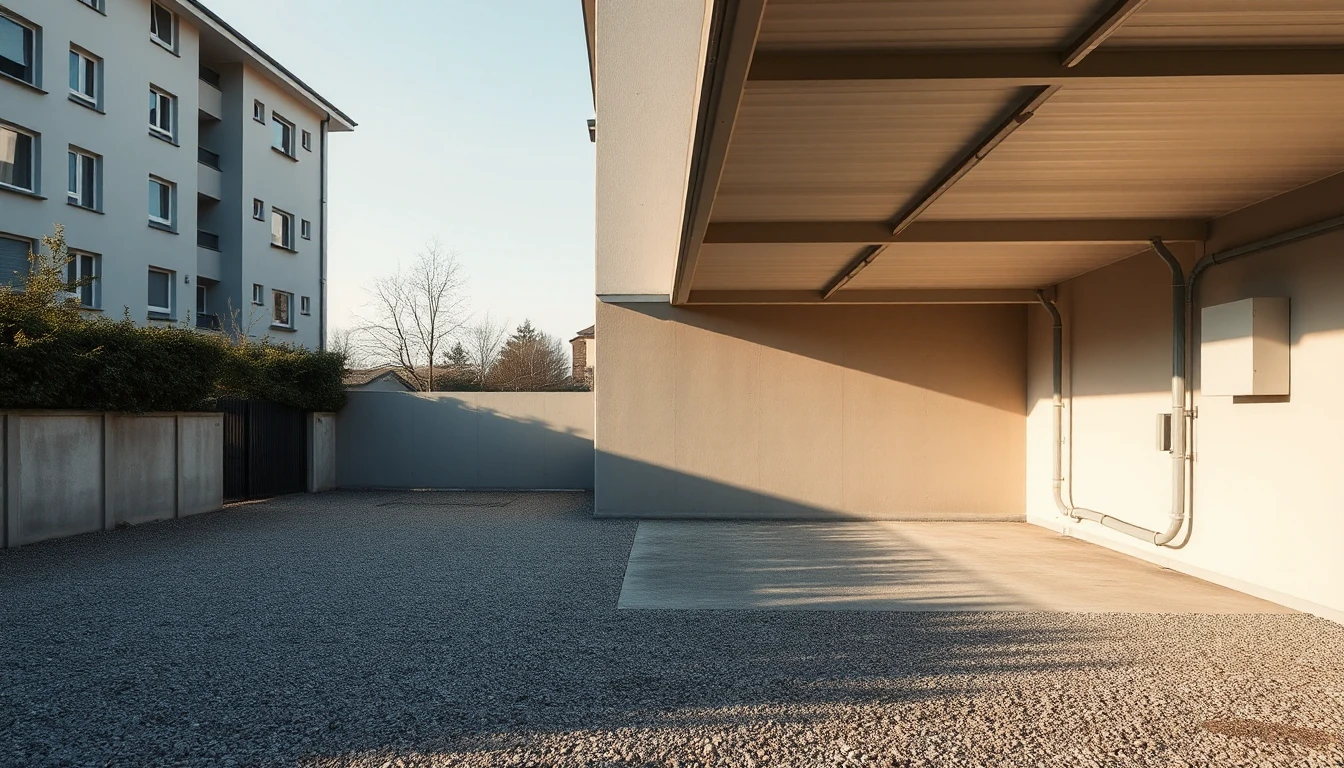
The electric car has been ordered and the rented parking space is available. Now a charging installation is to be fitted. The rental agreement says nothing about this. A helpful enquiry does not begin with any random wallbox offer, but with the specific structural alteration to the actual rented item and the route to obtain permission for it.
Section 554 BGB provides a claim to permission for certain structural alterations, including those for charging electrically powered vehicles. The claim does not exist if the alteration cannot be reasonably expected of the landlord even when the tenant's interests are taken into account. [LADEN] The rule is presented here neither as an unconditional permit to mount nor as a mere voluntary favour.
Explain your starting position clearly
Clarify which area is actually rented and how the proposed installation relates to it. A parking space that is used regularly but not clearly allocated raises a different initial question than an expressly designated object of hire. Unknown contractual references therefore belong in the preparation.
Then describe the intended alteration: the location of the charging installation, the routing of cables to be clarified and the areas affected. A technical plan by a specialist should explain the necessary work. You do not have to calculate conductor cross-sections yourself or open electrical installations. However, the permission request and the technical review need the same described scope.
An offer is not yet a shared idea of execution
In the hypothetical case the first supplier proposes a cable route through several parts of the building. The tenant had only thought of a device next to the parking space. She therefore asks for an intelligible presentation of the entire intervention before she expects a definitive commitment or places an order.
Execution, costs, ongoing operation and later handling of the installation are discussed as linked points. Binding obligations are not guessed from the drawing but clarified in line with the specific agreement. Other affected parties or building rights may also require separate handling; a tenant's response does not replace arbitrary third‑party consents.
Separate any possible security from ordinary payment
Section 554 mentions the possibility of obliging oneself to a special security payment in connection with the structural alteration and refers to Section 551(3). [LADEN] This is a distinct topic of discussion. A demanded sum is not treated as an arbitrary additional monthly rent or an automatically existing statutory obligation without clarification of its content.
Record what a specific security is intended to cover and what regulation is actually agreed. The article does not decide any personal claim and does not set a blanket monetary limit for every installation case.
The appropriate intermediate state before installation
In the end a comprehensible project description, the clarified permission status and a professionally suitable execution should fit together. A right to permission by itself says nothing about the available electrical capacity or a concrete network connection solution. Likewise, a technically suitable device does not replace the still open tenancy‑law handling.
The article concerns German tenancy law and the preparation described. Condominium owner rights under the WEG are a different starting point. This keeps the enquiry related to one's own role and not taken from someone else's checklist for owners.