



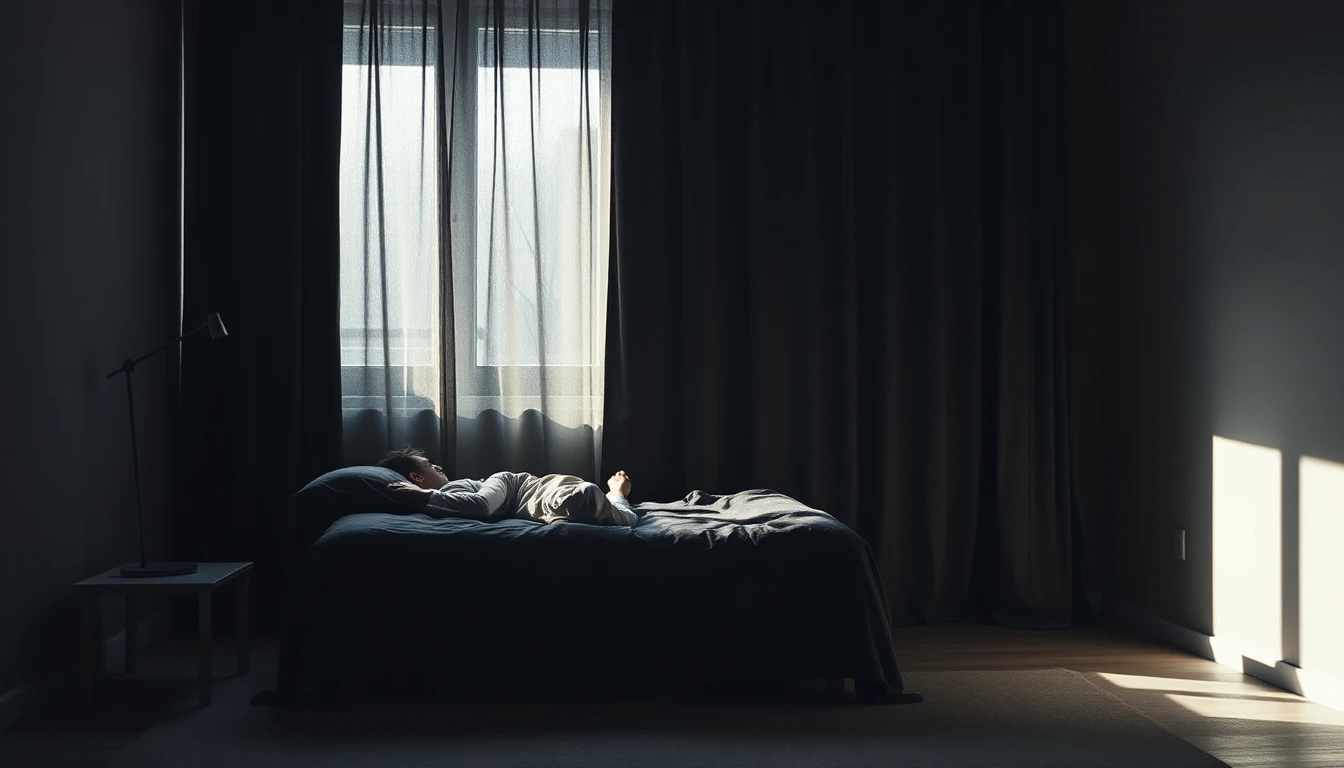
One person comes home after the night shift, another is just beginning their normal day. Both need the same flat, but not the same rhythm. A practical living agreement therefore does not start from the question of who must adapt more. It first describes which activities actually coincide at which times.
Lay two daily routines side by side
Each person notes a typical day with work, coming home, sleep, meals and times they wish to share. The notes are personal planning details, not an occupational health recommendation. Then discuss which overlaps are important and which only occur rarely.
Everyday life does not have to be identical every day. Mark regular and changing parts. A shift change may require a simple new notification rather than a completely new household discussion. What matters is that the other parties know when a relevant agreement changes.
Look at the flat by activity
Where is cooking, telephoning, listening to music or receiving visitors taking place? Which activity can be organised to take place somewhere else? These questions are concrete options for arrangements, not a technical assessment of sound insulation. A door perceived as quiet does not equate to certified soundproofing.
Agree on a few realistic arrangements. This can include having certain personal items ready before going to sleep or using a telephone spot differently. General demands such as “just be quiet” are hard to implement if it is not clear what actual behaviour is meant.
An example of a small, viable change
In the fictional household the person who works during the day needs documents from the bedroom in the morning. It is agreed together to leave these in another place the evening before. The night-shift person can withdraw after coming home without blocking the other person’s normal start to work.
This change does not resolve every difficulty. For special days a query remains foreseen. The parties do not treat an exception immediately as proof that the whole agreement was pointless. In this way a verifiable routine is created instead of a silent, ongoing annoyance.
Check together after a real week
Discuss which situations work better and where a request was still too vague. Use concrete examples and also take into account the needs of other housemates. If the spatial conditions are fundamentally unsuitable, a different room layout or professional advice may be worth discussing.
This article does not determine legal quiet times under tenancy law nor claims against neighbours and does not give health advice on shift work. It is an editorial method to make different daily rhythms visible within a jointly agreed everyday household.