



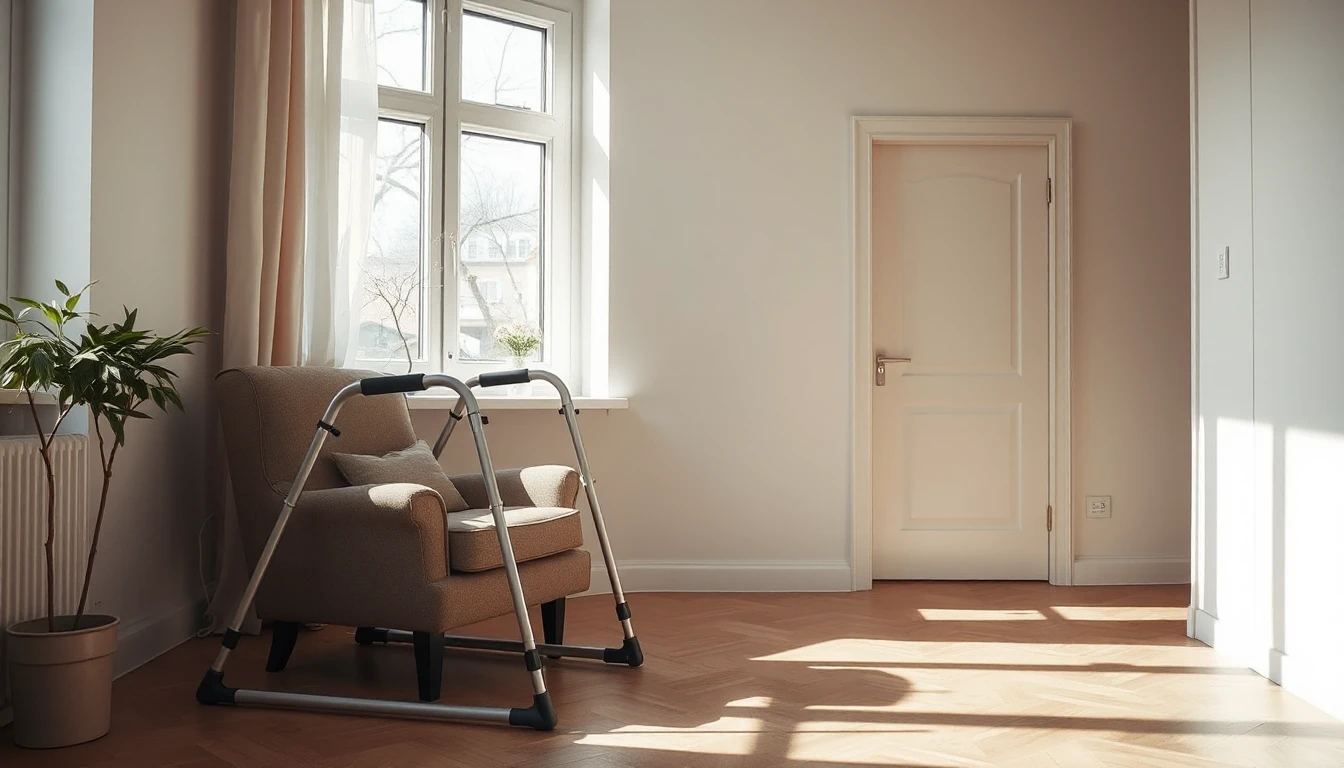
After a hospital stay, the return home should be well organised. Between arrival, shopping, keys and everyday tasks many small questions can arise. This article provides an editorial conversation flow for everyday living. It does not offer medical recommendations and does not decide on care needs, aids or entitlement to benefits.
Start with the wishes of the person returning
First discuss what the person wants to decide and do for themselves. Which help is welcome, which is unpleasant and which is still unclear? Relatives should not reorganise the entire household before they know these wishes. A good conversation can precisely consist of consciously not taking on a task.
Professional questions about resilience, support or suitable aids belong with the treating or responsible professionals. Write these questions down instead of deriving a medical recommendation from your own everyday experience. Organisational preparation and medical assessment remain separate tasks.
Go through the first actual day
Imagine the route from arrival to supper. Who opens the flat, where are necessary personal items and who knows what support has been agreed? Note concrete handovers. “Family helps” does not yet explain who is reachable after a late arrival.
Our editorial recommendation: use a table with task, person, time and follow-up. Enter only help that has been agreed together. Unresolved points should have a responsible contact person and remain open until there is an actual answer. An assumed availability should not look like a firm commitment.
An example without medical abbreviations
In the fictional example Mrs Berger wants to choose her own meals. Her daughter can do the first shopping but does not live in the same building. Together they note when a list will be discussed and how the shopping will be brought into the flat. Whether further support is necessary they have clarified professionally.
The neighbour is not automatically entered as a substitute. Only after his express commitment does his limited task appear in the overview. This creates a small, reliable routine instead of a large, unconfirmed network of help.
Recalibrate after arrival
A planned routine can prove inappropriate in everyday life. Therefore agree a short review: which task works, where is an answer missing and which help is no longer wanted? Change only organisational arrangements within the clarified framework. New health questions are discussed again with professionals.
Do not store personal health information unnecessarily in a widely distributed task list. For organisation the concretely agreed task is often sufficient. This article does not replace discharge planning or care counselling, a structural safety assessment or an emergency plan. Its working result is an understandable, jointly agreed sketch of everyday life.