



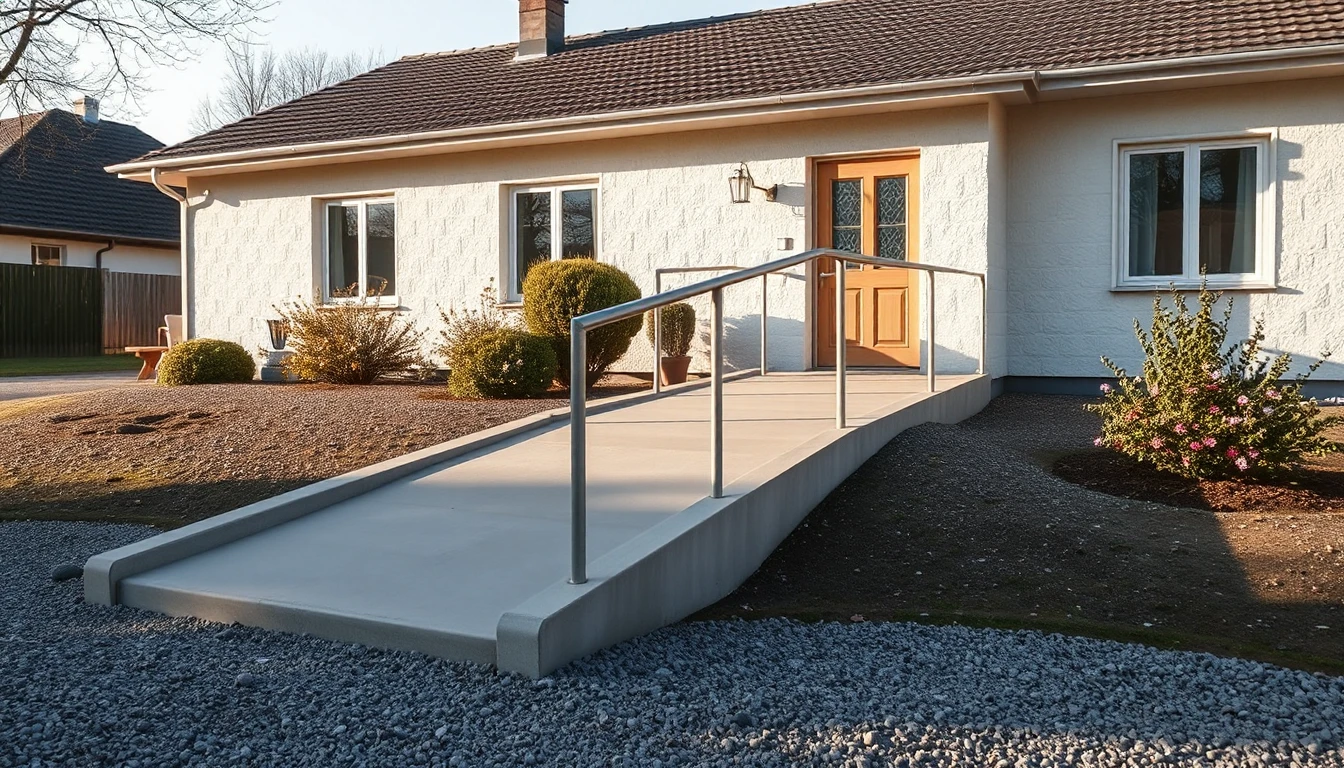
The bathtub becomes difficult to reach, a door is too narrow for current use, or a step makes care more difficult. When care is needed, adapting the living environment can help. For an application, however, more is required than a general wish for a “barrier-free flat”: the project must clearly link the specific obstacle and the intended improvement.
First understand the purpose of the support
§ 40 paragraph 4 SGB XI (Sozialgesetzbuch XI, Social Code Book XI) provides for subsidiary grants where the measure, in the individual case, enables domestic care, considerably facilitates it, or restores as far as possible an independent way of living. The statutory upper limit is currently EUR 4.180 per measure; for care recipients living together, the provision contains special overall limits. [PFLEGE] An upper limit is neither a flat-rate amount for every conversion nor a statement that all project costs will be covered.
The Federal Ministry of Health explains the support for care levels 1 to 5 and mentions, among other things, widened doors, permanently installed ramps or a care-appropriate bathroom conversion. [BMG] Whether one's own project fits remains an individual benefit decision. A general renovation wish does not become a promised benefit merely by using the word “care-appropriate”.
Describe the obstacle as an activity
Write down which concrete action today fails or succeeds only with considerable effort. Where does it begin, which aid is actually used, and at which point does the problem arise? “Washing in the bathroom” may, for example, concern the door, the route to the shower and the actual use. An isolated attractive shower does not solve the task if it practically cannot be reached.
Involve the person concerned and, where appropriate, suitable care or housing advice. The technical solution should be developed from the need. This article does not specify necessary dimensions or the medical suitability of particular products.
Turn the offer into an understandable project
Have the proposed services explained individually. Which item removes the described obstacle? Which is required for implementation? And which belongs to an additional desired embellishment? Such an allocation helps with the application and with one's own overview of costs, without anticipating the decision of the care insurance fund.
Coordinate the sequence with the responsible fund before binding implementation. Keep together the version actually submitted, quotes and later changes. Moreover, a grant decision is not automatically a technical approval or consent of other entitled parties. For a rented flat or jointly affected building components, these questions must be clarified separately.
Do not reduce the financing to the maximum amount
In the fictional example, a bathroom is to be adapted. The quote contains the actual improvement of use and additional design wishes. The family had initially offset all costs against the maximum grant.
They now prepare a statement with traceable quote items and an openly stated own share. Only the concrete decision is taken as the approved amount. Changes to the scope of services are allocated again, instead of silently reusing the original application letter.
Automatic calculation of deadlines, a repeat grant in the individual case, further funding programmes and individual entitlement questions are not decided here. The aim is a transparently justified project in which need, execution and still-open financing remain recognisable.