



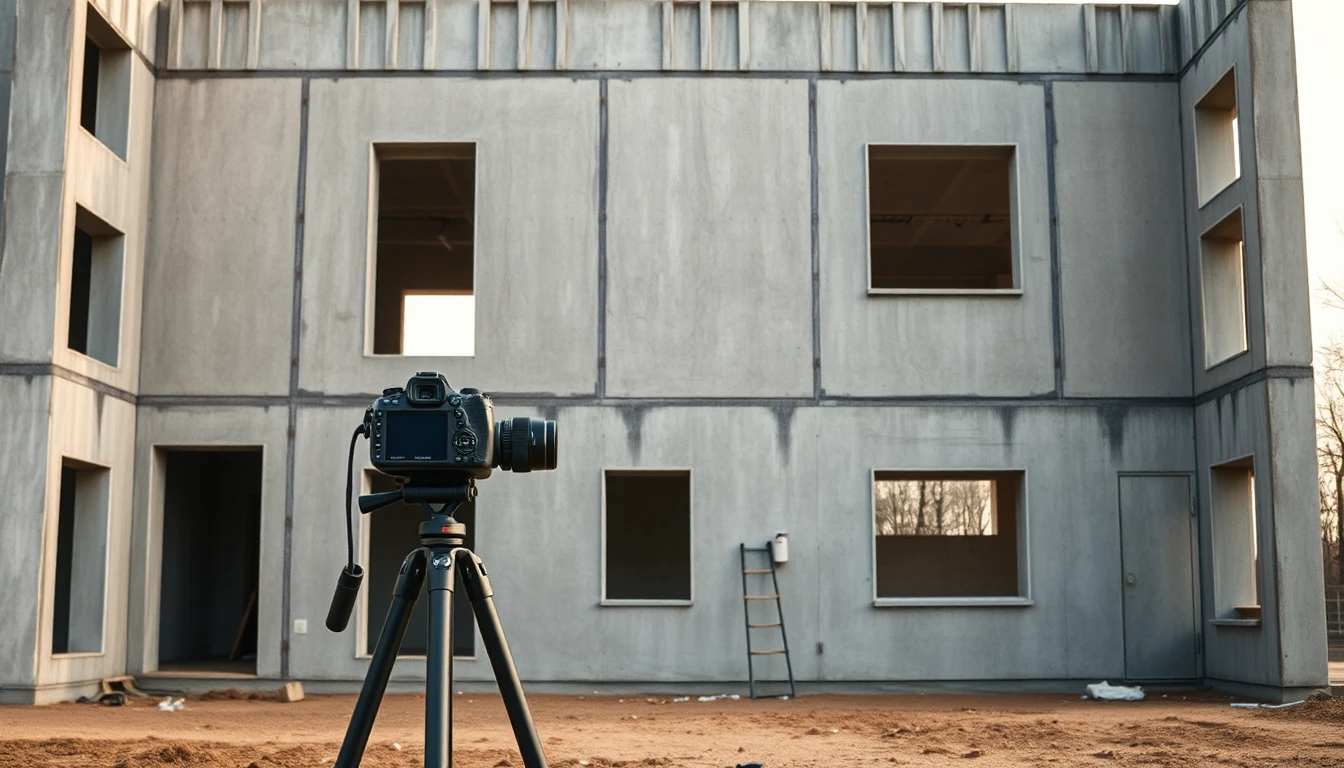
A construction pit, later a shell, finally bright rooms: a project story can explain how a building emerges from a plan. It becomes more difficult when photos from different times, planned fittings and visualised futures run together in the same article. The following in-house editorial method makes progress comprehensible without hiding the open outcome.
Start with a change you can show
Choose a concrete question for each instalment: What is visibly different from the last documented state, and why is that interesting for the later use? The instalment does not need to repeat the entire construction process. It should explain an actual development.
For a photo series, original images are produced. The viewing direction and framing are chosen so that changes remain traceable. The time of recording belongs to the internal image assignment and, for any time-related statement, also in the publication. External photos or recognisable elements from other projects are not used as a substitute for missing documentation.
A self-created visualisation serves a different purpose: it can explain an idea. It is explicitly labelled as a visualisation or concept and not presented as photographic proof of an already executed state.
One episode, three clearly separated statements
In the fictional example the current photograph shows a room in the shell. The editorial team already wants to tell about the later dining area. To do this they separate three levels:
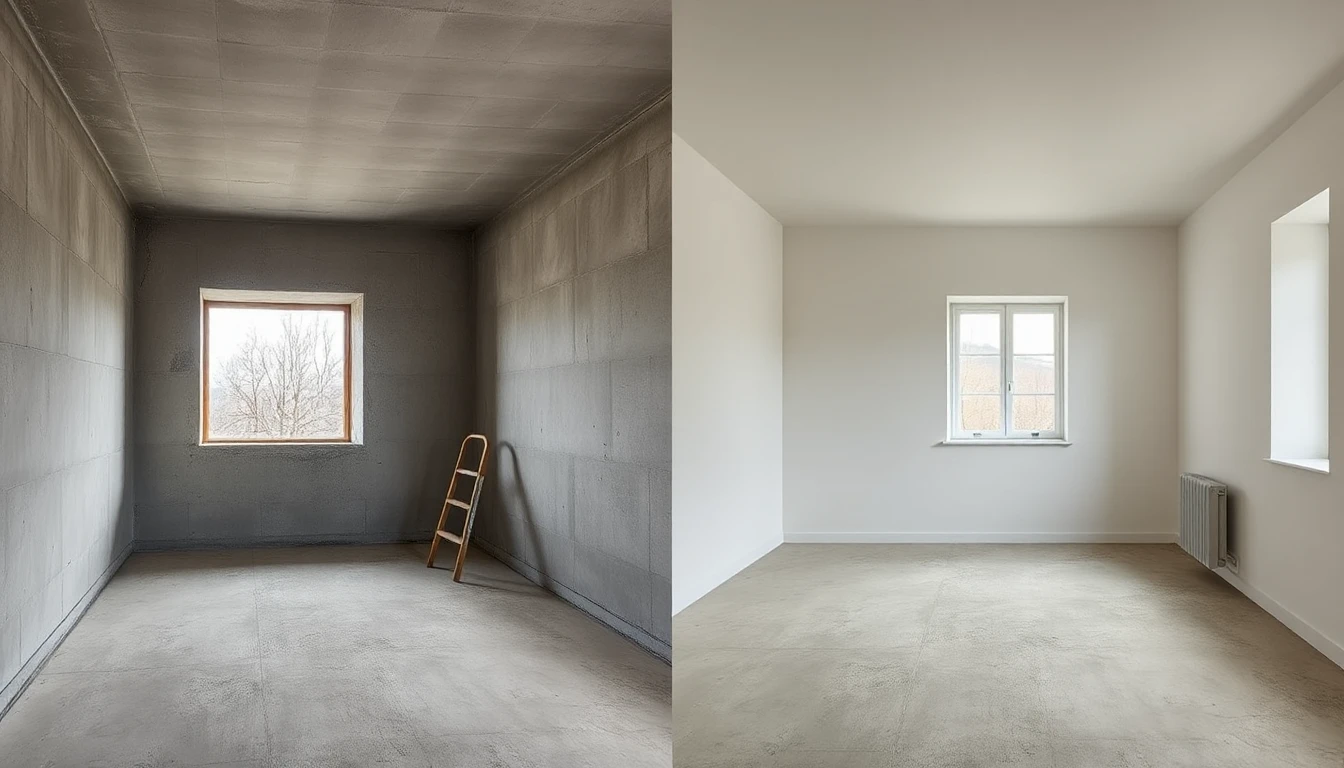
Observation: In the in-house photograph at the stated time the room can be seen in this construction condition. Confirmed planning: The plan currently assigned designates a dining area there. Open course: Certain finishing works are still planned; their exact completion is not presented here as accomplished.
This separation initially sounds less promotional than “Here your finished favourite spot will definitely be ready by the end of the month”. It does, however, provide a story whose statements can be related to the same documented state. A desired date is not turned into a confirmed promise by a nice graphic alone.
Not every detail needs a new instalment
Group smaller work steps into an understandable development. Three almost identical photos from different days do not need three separate articles. An instalment becomes interesting, for example, when the spatial effect can be explained for the first time or an important planning decision becomes visible.
For technical explanations have the responsible specialist confirm what can actually be explained about the specific project. Invented material knowledge or unsubstantiated claims of consumption benefits are not added as captions. The report does not have to be a complete technical documentation; its visible statements must, however, fit the project shown.
A plan change is part of the story too
If the intended room layout changes in the example, no embarrassing gap arises that is covered up with an old rendering. The editorial team explains the change based on the newly confirmed status and places older content in a chronological context. An older article that is still publicly visible is included in the update task.
The production package therefore includes images, recording times, approved project-related information and open next steps. The method works for projects in Austria and Germany. It neither issues a confirmation of construction progress nor a promise of completion, but helps with a comprehensible editorial presentation.