



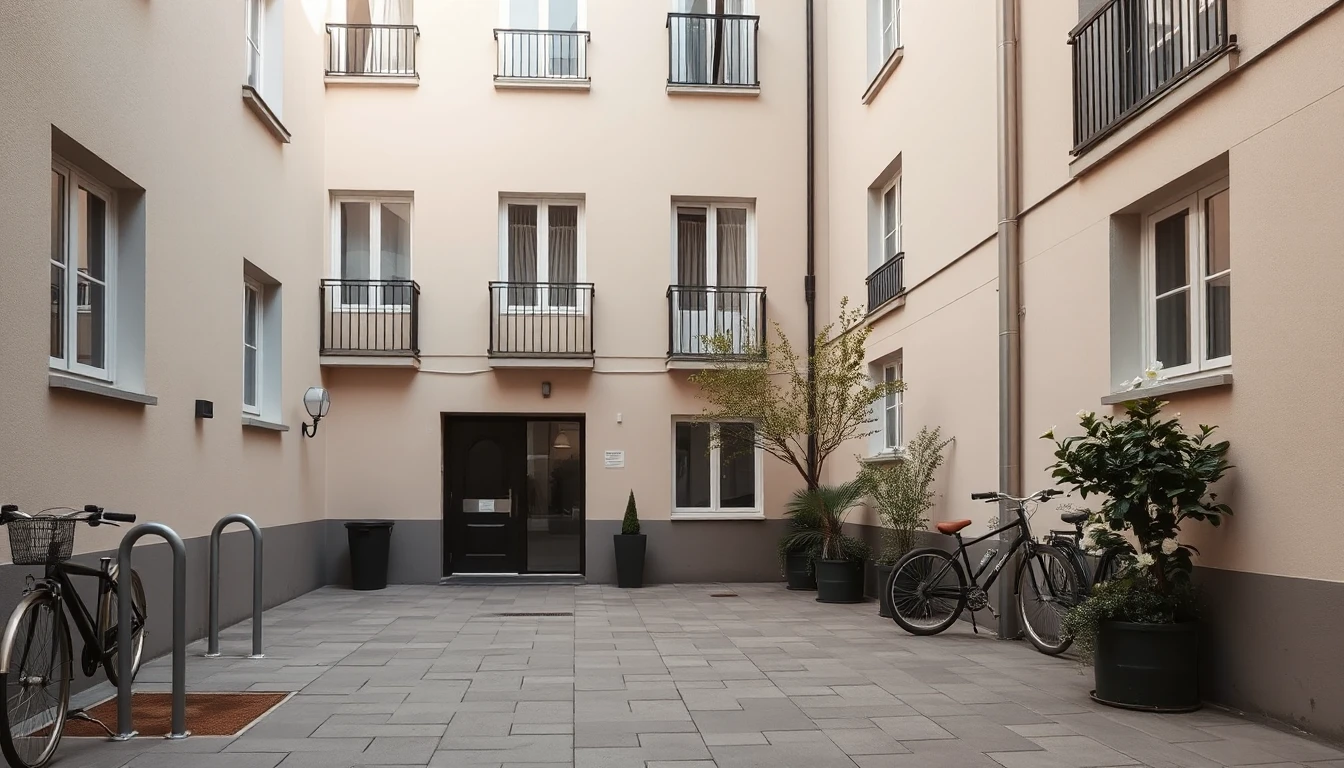
A new building caretaker knows the contract but is not yet familiar with the building on site. An object briefing should therefore not repeat all historical messages. It must show the locations, procedures and peculiarities that are actually needed for the agreed work.
Walk the assignment through the building
Take the confirmed scope of services as the starting point. Assign each task to its actual location: which entrance, which floor, which outdoor area. General terms such as “rear courtyard” are explained at an unambiguous meeting point.
Technical operation and safety-relevant activities are conveyed only by the responsible qualified bodies. A tour by the administration is not an instruction that covers every special installation. Missing specialist information is explicitly stated as missing.
Select peculiarities according to required action
Concrete exceptions are helpful: an agreed access, a regularly occupied area or a changed procedure. Unnecessary private resident stories do not belong in the briefing. For each peculiarity it should be clear what effect it has on the task.
Use available documentation with a recognisable status. Old photos can help orientation, but must not be taken to represent the current condition without verification.
Fictional case: The ancillary room remains unfindable
A service is to take place in a communal ancillary room. On the plan its access is labelled differently than on site. In the briefing the correct assignment is clarified using the areas to which access is legitimately permitted. The caretaker then demonstrates how they find the location and how they make contact if there is uncertainty.
This checks understanding without requiring a dangerous attempt at work. The administration records which specialist information still needs to be provided.
Evaluate the first deployment
Arrange a short feedback channel for obstacles encountered at actual commencement. If an access or service location is different from what is described, the property record is corrected. The mere handover of a folder does not prove practical orientation.
The briefing is successful when the responsible caretaker knows the agreed locations, next steps and questions to be asked. Additional activities are not thereby secretly added to the contract.