



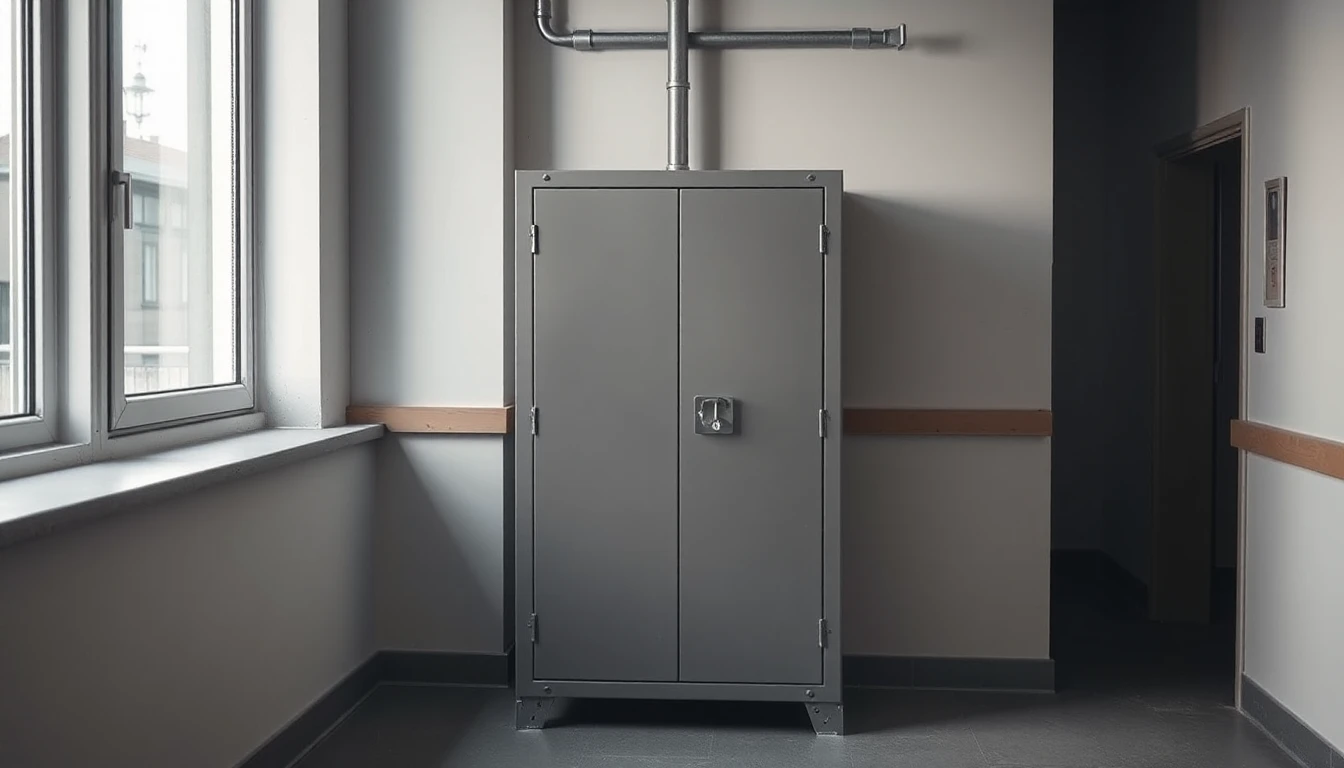
A communal installation is located behind a locked door. If there is a problem, no one knows how the authorised specialist company can gain access. Before freely handing over keys, the management should align the actual operational requirement with the existing access framework.
Clarify the occasion and the required area
Which specific activity requires which access? Ask the responsible specialist side about the intended procedure. A routine inspection appointment is different from an urgent malfunction. The article does not grant any right of entry or right to operate.
In acute dangers the appropriate immediate aid route applies. An unfamiliar equipment cabinet must not be opened or inspected on one’s own initiative in order to resolve the management question more quickly.
Make authorised access practically achievable
Clarify who, to the actually permitted extent, will accompany or provide regulated access. Personal keys, passwords and other access means are not casually included in generally distributed emergency folders.
The management should confirm the route with the actually responsible contact person. The sentence “Someone in the building has a key” is not a reliable preparation.
Fictional case: The only contact is on holiday
A planned specialist appointment requires accompaniment. The known contact person is absent. The management organises a specific substitute via the authorised route and confirms to the company only the scope actually agreed.
If this does not succeed, the open access is explicitly clarified with the company. An access obstacle is not glossed over by an unconfirmed release.
Track feedback and return
After the deployment the agreed access is appropriately ended or returned. Newly determined operational questions are referred to the responsible specialist side. The documented access solution does not confirm technical safety nor the authority of other persons for later activities.