



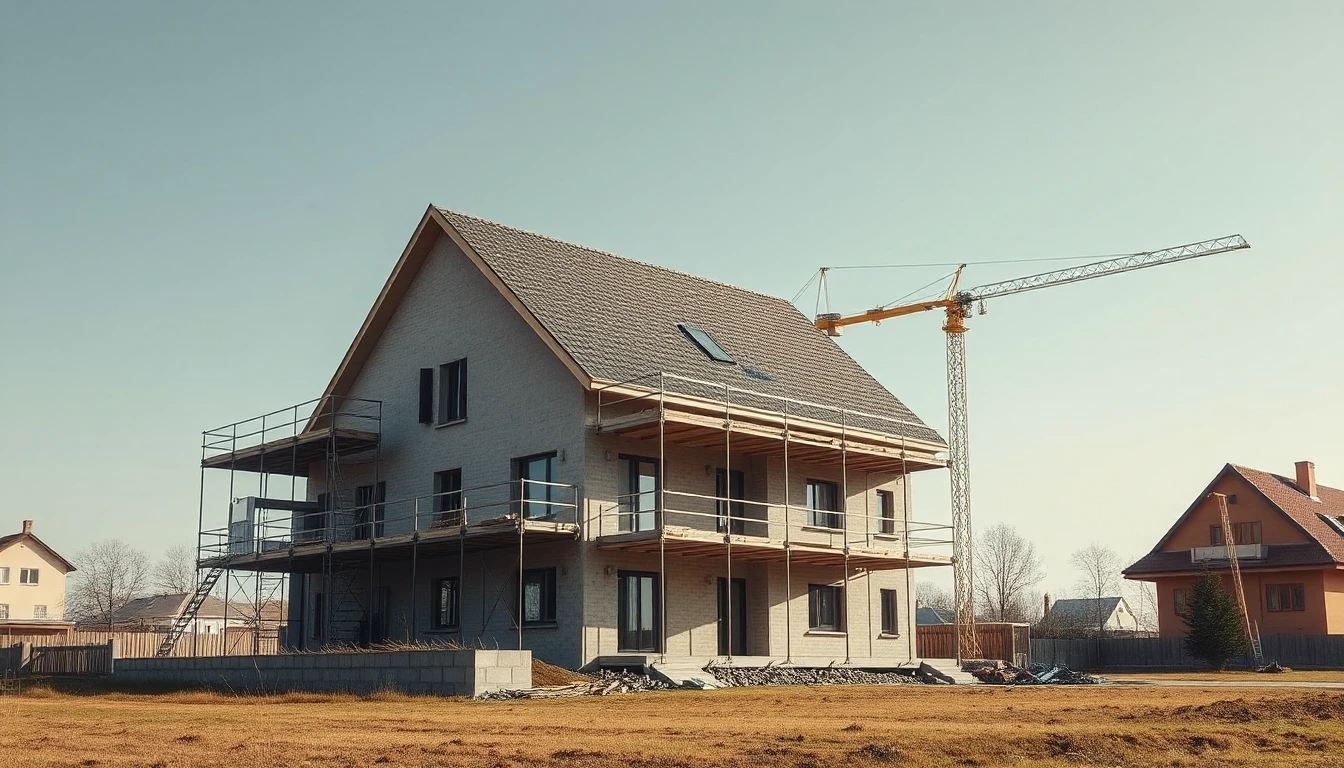
The offer includes a low-cost “construction package”. Below that are two insurance names, but no understandable explanation of which difficulties are supposed to be covered. Begin the comparison with the loss and not with the premium. A damaged own building component and a claim by an injured third party raise different questions.
Two directions instead of a sense of security
The GDV sample for private builders' liability concerns statutory liability arising from the described private construction project. This includes, within the described scope, examination of the liability issue, defence against unjustified claims and indemnification for justified obligations. It is not a general guarantee that the house will be completed free of defects. [BHHV]
The sample terms for the construction all-risks (Bauleistungsversicherung) start from a different angle: they describe insured new construction works and unforeseen damage or destruction of insured items. At the same time they list items and perils that are not insured. The heading alone therefore by no means means “everything on the construction site is insured”. [ABBL]
Both sources are samples, not binding terms of all providers. Decisive are your insurance policy, endorsements and agreed conditions. Own labour in particular must not be mentioned merely in passing: the liability sample explicitly shows separately contractible extensions for this. [BHHV]
Let the specific project provide the answers
Our recommendation: describe the same scope of work for all requested quotes. This should include the construction site, new build or work on an existing building, companies involved, own work, planned duration and any conspicuous neighbouring situation. Then ask where these details are actually taken into account in the offer.
Also prepare a small case overview. For example: a component already installed is damaged. A neighbour demands compensation for an alleged damage. A helping person is injured. For each case the advising party should state the relevant insurance question, pertinent clause, possible gap and any additional information required. The examples are examination tasks, not advance promises of coverage.
A comparison that enables a decision
Lea is planning with a company but intends to carry out interior work herself later. In the first offer only third-party execution was entered. In the second her description is more precise, but it remains open when the cover ends. A mere price list would obscure these differences.
Lea has both points answered in writing and only then compares deductible, sums insured, duration and exclusions. She also records who should report changes to the construction process. If the project is later extended or carried out differently, she raises the coverage question again instead of relying on the old product name.
The useful result is a comprehensible allocation of your main risks to specific contract provisions. It does not replace insurance advice or accident prevention. Even a comprehensive policy does not make an unsafe construction site safe; statutory accident insurance for helpers on site is also a separate issue.