



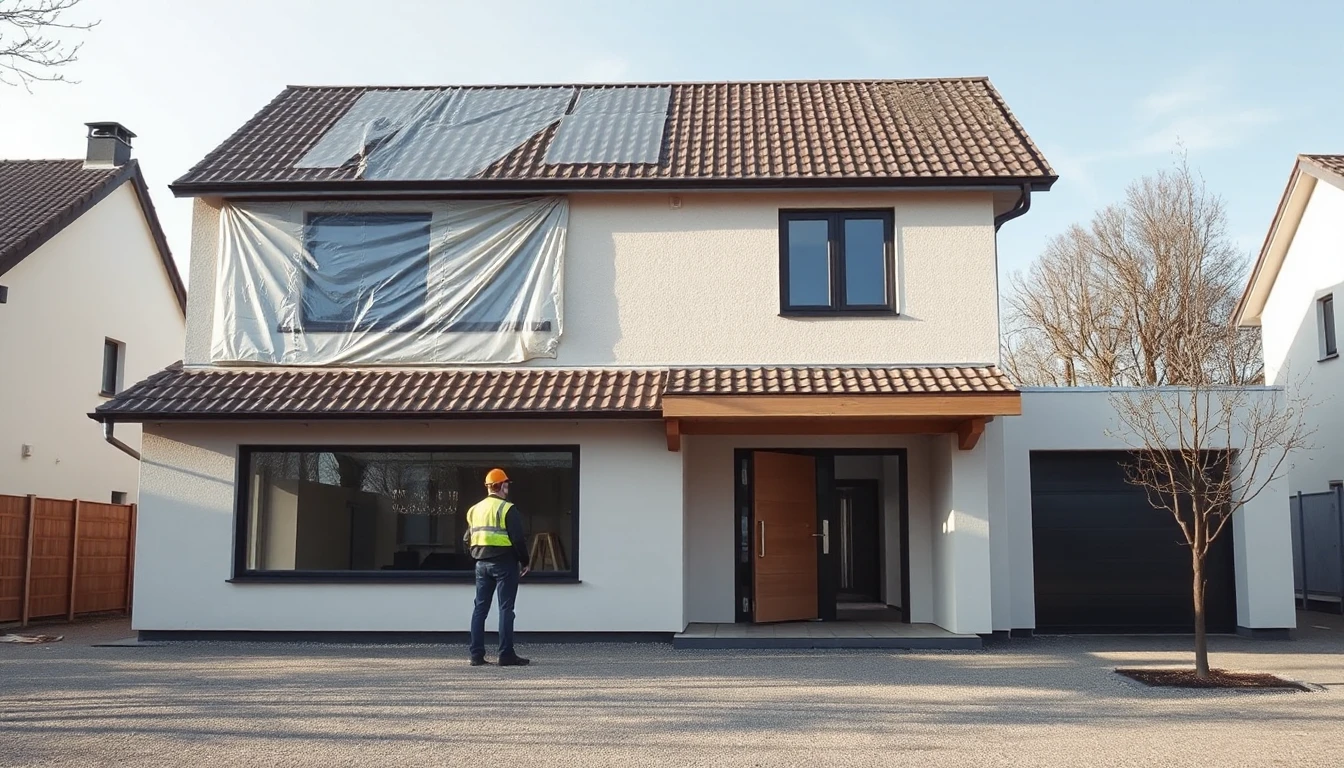
A request for acceptance of the construction works arrives. However, the desired inspection appointment with an independent specialist is only scheduled for later. Now access, content of the request and the actual state of performance should be considered together. The legal response is not automatically postponed just because another inspection appointment is already in the internal calendar.
Why a request should not be left sitting
§ 640 Absatz 2 BGB provides for a presumption of acceptance after completion of the work and the expiry of a reasonable period set, if acceptance is not refused in good time with indication of at least one defect. Against consumers the provision additionally requires the intended notice of the consequences in text form. [ABNAHME]
This article does not decide whether the specific request fulfils all prerequisites or which period is reasonable. The rule is, however, a clear reason to have such a letter assessed in good time. A purely technical preliminary inspection and the legally required response should be planned together, not played off against each other.
Secure the actual letter in full
Keep the request, enclosures and verifiable evidence of receipt together. Note which service or which construction phase the declaration refers to. Where there are several contractual objects, the word “house” should not automatically be taken to indicate a clearly defined scope of acceptance.
Also check which documents and earlier communications belong to this state. A deviation already reported earlier should be findable in the new matter. However, the mere existence of an old defect list does not by itself answer which current declaration is required.
Coordinate inspection and response in good time
Provide the appropriate advice and specialist examination with the exact wording and the state of performance. If you need additional time, clarify how this will be handled specifically. An announcement by yourself “we will inspect next month” is not presented here as an automatically effective extension of time.
Our editorial recommendation is a small procedure with three separate points: classify documents, technically inspect the condition to the agreed extent and prepare a suitable declaration in good time. It does not contain a standardised refusal for every case. A blanket approval merely to avoid scheduling stress would also not count as a reasoned inspection.
An identified issue needs a clear reference
Describe actual observations by location and subject matter. An indeterminate remark about “various faults” aids clarification less than a concrete allocation. Technical cause and legal significance may remain open until the appropriate specialist has assessed them.
In the hypothetical example a client receives a request for acceptance while an apparent defect at a window is still to be documented. She does not ignore the letter until the most convenient appointment. Instead, she has the request, the documentation and the need to respond considered together and the next step agreed in a traceable way.
This contribution is tailored to the concrete receipt of a request for acceptance and the coordination of the response. Known defects in actually declared acceptance, contractual penalties, determination of condition and payments have their own prerequisites and remain to be examined separately.