



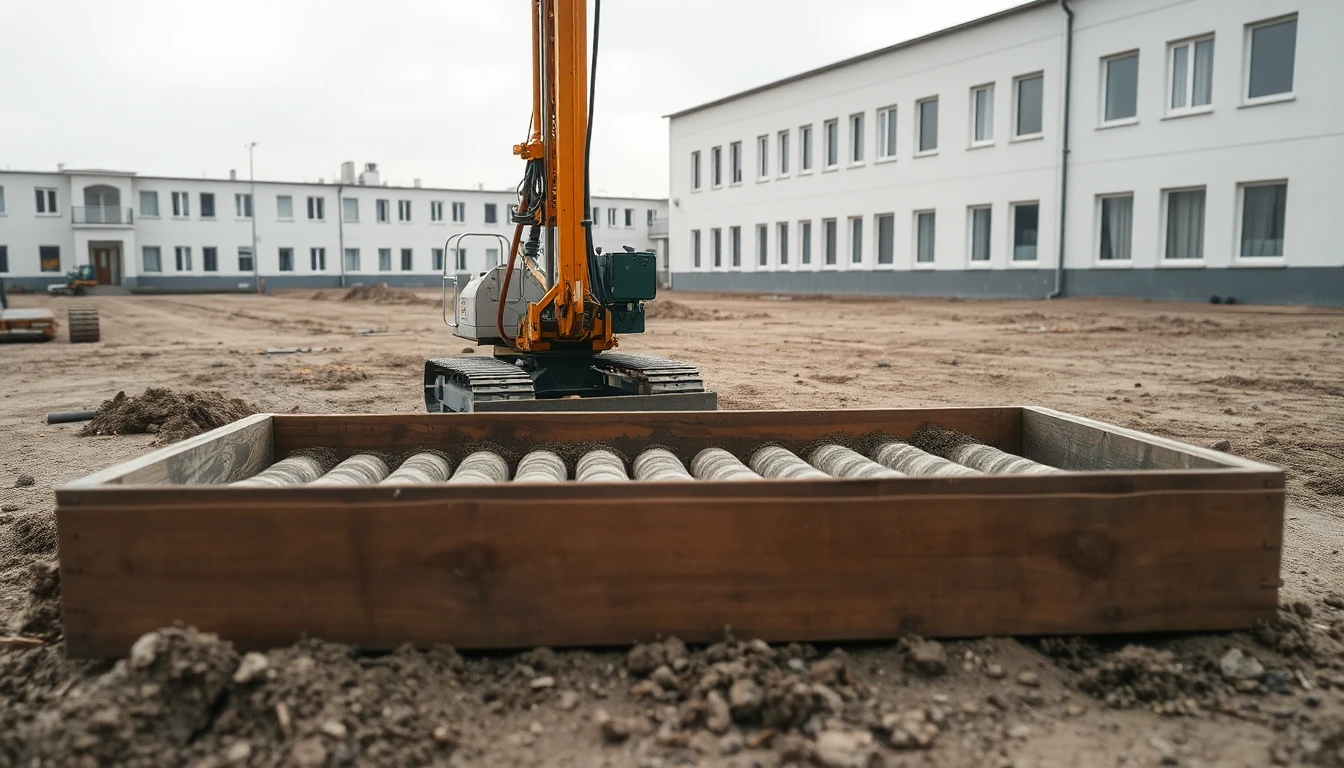
You want to buy or develop a plot of land and are advised to obtain a geotechnical site investigation (Baugrundgutachten). The right follow-up question is: which decision should the investigation support for which project? An instruction without a clear description can miss the actual information need, even if a comprehensive report is produced later.
Name the planned decision first
Is it an initial purchase assessment, a specific building design or an already finalised execution? Describe your current status to the appropriate geotechnical specialist. A preliminary desire and a checked plan are different starting points and should not bear the same designation in the documents.
The following procedure is an editorial aid for preparing the brief. It does not specify a required number of investigations, depth or technical design. Such determinations must be derived by the specialists from the specific project and the requirements applicable to it.
What to bring to the first meeting
Collect the plot designation, location documents, existing reports and the apparent planning. Describe known previous uses without drawing your own conclusions about soil contamination or historical contamination (Altlasten). Also note which information is reported only orally and which is actually documented.
Ask the specialist to explain the objectives and limits of the intended brief. Which question will be answered, which additional investigation would be required for a later planning stage and which areas will remain uninvestigated? A report title alone does not reveal the full scope of its statements.
An existing report as a starting point
In the fictional example, the selling party provides an older report for a different building project. Prospective buyers wish to plan a building arranged differently. They do not blindly commission the same investigation again nor do they automatically adopt all the old statements. First they assess the applicability for their specific question.
In doing so, origin, investigated areas and the assumptions made at the time are considered together. The new brief records which parts are used as a basis and which questions should be clarified additionally. The interested parties do not decide themselves on the suitability of the plot based on a familiar-sounding sentence.
Integrating the report into the planning
Arrange for a comprehensible explanation of the results and their limitations. Pass the information on to the responsible planning participants and record which consequences they see for their respective briefs. Open follow-up questions are clarified with the specialist, not replaced by a privately selected internet value.
The article contains neither a foundation recommendation nor statements on load-bearing capacity, contaminants or water conditions. Its outcome is a traceable investigation brief and an orderly reuse of the report. Only the technical assessment can provide the technical answers for the actual project.