



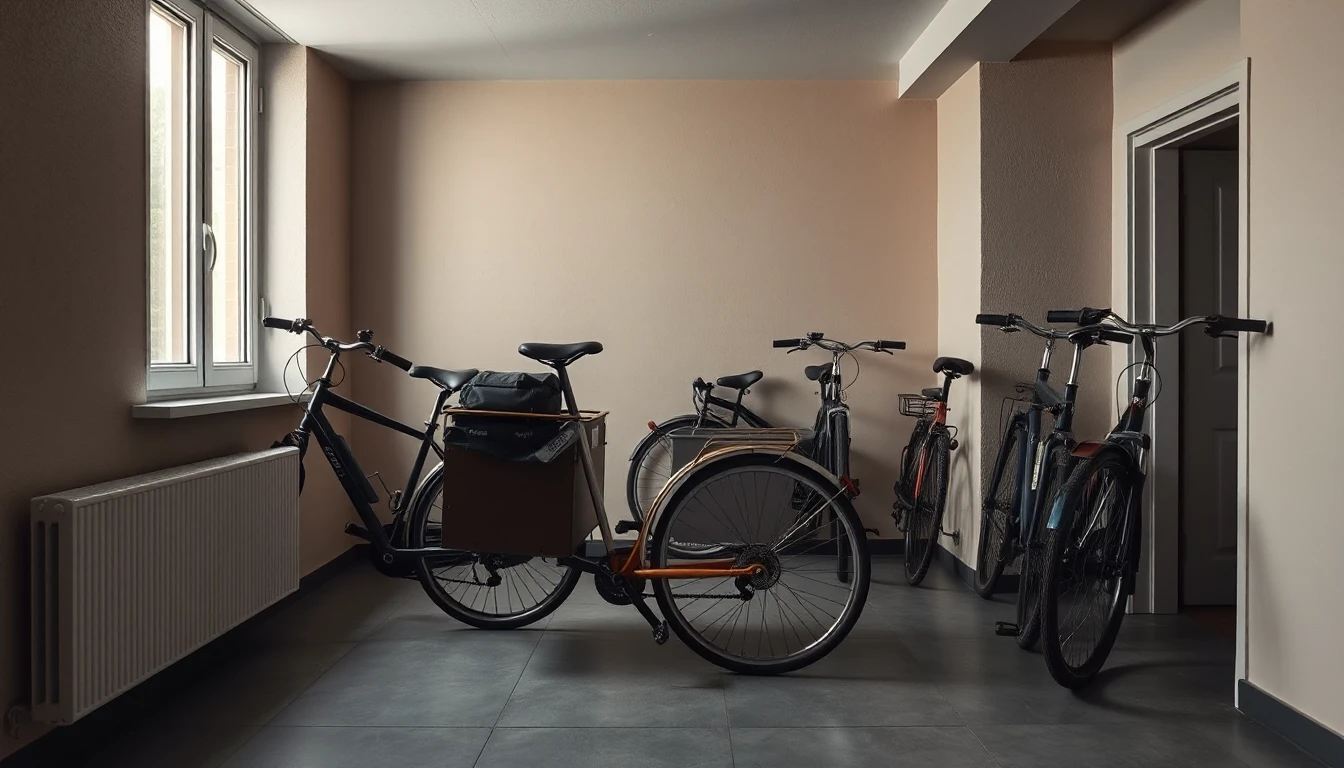
The bicycle room is full, yet more bikes keep appearing. Cargo bikes, child trailers and light everyday bikes need different storage arrangements. If you only count the number of bicycles, you overlook whether people can actually use their bikes without manoeuvring around each other. Before installing new equipment, it therefore helps to take a brief look at actual routes and uses.
Describe a typical day of use
Our editorial recommendation: Gather voluntary feedback on the specific difficulties. Who arrives with which bike at what time? Where is removing a bike only possible if another bike is moved first? Describe the bottleneck by location and action, without assigning personal blame to the owners.
A single photo taken at the weekend does not show a complete day. Observe various typical situations and mark what is still unknown. Photos should not capture unnecessary personal information. For an initial discussion, a simple sketch of the existing parking spaces and the problematic directions of movement is often sufficient.
Compare three options for the same task
Compare a changed layout, different equipment and additional suitable parking options based on the same usage task. Can a heavy bike be reached without lifting? Does a trailer need to be uncoupled? Is the proposed solution usable in winter in a different way? These questions do not replace a safety or approval check.
Have the responsible specialists clarify which areas are even eligible for a changed use. An apparently empty corridor is not automatically available. Existing ownership and usage rights of existing areas are not altered by a new marking.
Hypothetical case: More spaces, less usability
The community is considering a rack that would nominally accommodate more bikes. When mentally running through it, they notice that several existing bikes would have to be lifted to place them there. A frequent user might not be able to do that independently. Instead of judging the option solely by its capacity figure, the community organises an appropriate usability test.
Only the practical handling is compared during this. Load-bearing capacity, fixing, clearances and permissible siting remain technical points to be checked. Testing does not create permission to install nor to block other areas.
Do not carry out an inventory clearance on the side
A crowded room does not mean that seldom-moved bikes are ownerless. Unclear items should be clarified with the administration as a separate matter. The room decision should not depend on residents unilaterally moving or disposing of other people's property.
For the next meeting, a comprehensible overview is sufficient: main usage obstacles, viable options, outstanding technical questions and the decision that actually needs to be made. A good solution is measured by whether the agreed uses work better. The largest advertised number of bikes alone does not answer this task.