



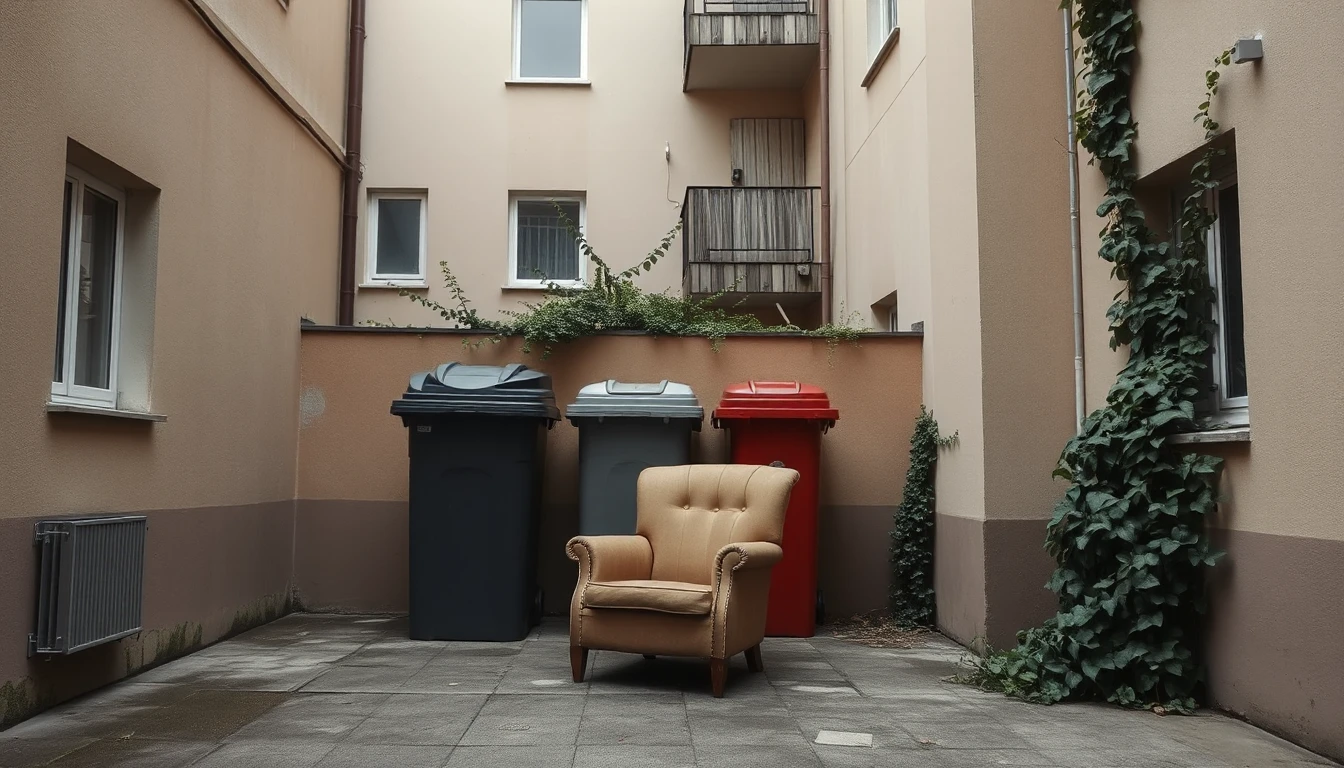
Next to the bins there are again items blocking the designated area. You want the problem to be resolved. A useful report first describes the location and the impairment. It does not need a public search for an alleged perpetrator. The following steps are editorial recommendations for factual internal communication within the building.
Describe the problem as narrowly as possible
Note what you actually observed: for example, boxes placed in front of access to a bin, with the date and the exact spot. “Everyone constantly blocks everything” is a generalisation from which it is difficult to derive a concrete next step.
Describe which use is currently being made more difficult as a result. Do you have to walk around the area, is the bin not accessible, or is it primarily just an untidy appearance? This distinction helps the responsible management to classify the matter. In the case of an obviously acute danger, use the designated emergency channel; an ordinary building report should not obscure an urgent situation.
Do not turn private content into an evidence archive
Do not open other people’s bags or collect letters or names to prove your suspicion. If documentation is sensible, limit it to the problem required and coordinate the appropriate transmission route. The European Data Protection Board explains necessary, purpose-bound processing and the protection of personal information. [EDPB] No individual right to monitor the refuse area is derived from this here.
A suspicion about a person also remains a suspicion. A public accusation in a chat group does not help to describe the actual condition more precisely. Report the factual incident to the responsible body without passing on unnecessary personal details.
Example: A box repeatedly blocks the access
A resident notices on two different days a large box in front of the same bin. She writes: “On Tuesday and on Friday the access to the right-hand bin was restricted by a large box. Could you please clarify how the area should be kept clear?” She does not name a perpetrator because she did not observe the placing.
The management can now prepare an appropriate follow-up question or general information. The resident does not have to decide which specific house rule or local disposal regulation was violated for this.
Keep solution and observation separate
You can make a suggestion, for example to make the notices at the designated place clearer. Mark it as a suggestion. Whether additional space, a different collection or an organisational change makes sense must be judged by the responsible party based on the actual situation.
If feedback is received, first check what was specifically agreed. If the problem is observed again later, add the new date to the existing case, rather than sending a stronger circular message every week. The guideline does not decide any question of costs, liability or sanctions and does not replace local waste advisory services. It ensures that an observable impairment can be processed without putting neighbours in the pillory on the basis of mere suspicions.