



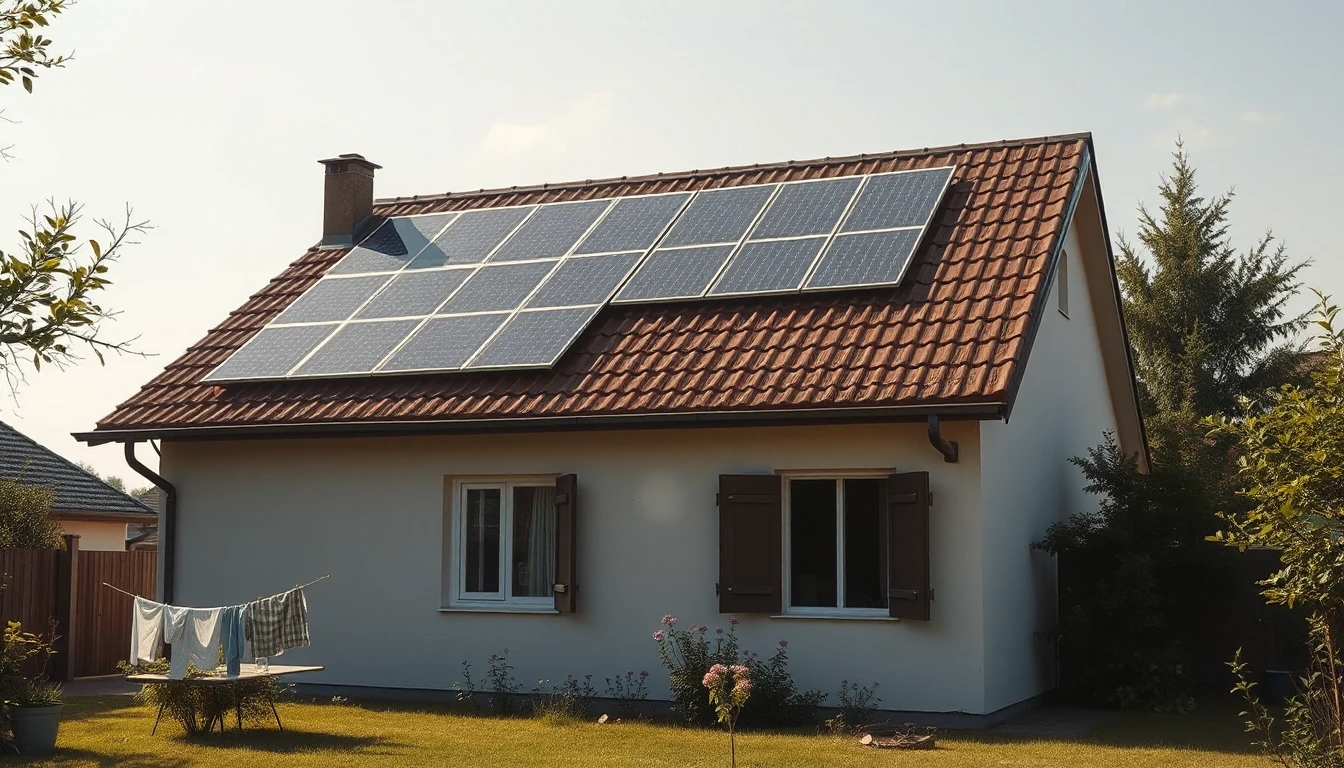
The PV system should supply as much electricity as possible for the household itself. A comparison of annual generation and annual consumption does not yet show when the two coincide. Before you choose new appliances or a battery, it is worth looking at the actual generation and usage times. From this arises a concrete question for professional advice.
Self-consumption begins with the temporal allocation
Klimaaktiv describes self-consumption as the portion of generated PV electricity that is used on site instead of being fed into the grid. The specialist information explains that generation times and household demand do not automatically coincide and that suitable temporal shifts can be a way to achieve better alignment. [ZEIT] No guaranteed self-consumption rate or specific cost saving is derived herefrom.
Therefore collate existing data with their time references. Which information concerns the whole system, which the household, and which only a single segment? Mark missing or merely estimated information. An illustrative sunny day is not a complete picture of the whole year.
Compare it with the normal daily routine
Describe which actually relevant activities take place when. Who is at home, which usage is fixedly bound to certain times and which could realistically be organised otherwise? A desired additional use is not entered as an already existing demand just to make a calculation look better.
Separate organisational possibilities from technical prerequisites. A device is not automatically suitable for remote control or unattended operation. Klimaaktiv points out that appropriate manufacturer and insurance instructions for safe operation should be observed. [ZEIT] This article does not recommend installation or independent modification of a control system.
The change must also suit the household
First choose an adaptation that is actually sensible. If a task is shifted into an inconvenient part of the day solely because of PV generation, the new routine may create additional effort. A theoretically possible shift is therefore not automatically treated as a permanent personal solution.
Have the specific system and usage assessed professionally for technical or economic decisions. The calculation should contain traceable data and stated assumptions. A third-party example rate or a general price from a guide is not adopted as a verified value for your household.
Example: The annual quantity fits, daily life is distributed differently
A household considers an estimated yield that looks attractive in the annual comparison. In conversation it becomes apparent that a large part of the household’s actual demand occurs at different times. The parties therefore first compile the available temporal data and the normal routine.
They examine suitable organisational options and have further technical variants explained with their actual costs. The comparison does not automatically lead to a battery or to a larger system. It shows which task a possible addition is supposed to solve in the first place.
Proceed with a clear advisory question
Summarise which uses are confirmed, which adjustments would be realistic and which data are still missing. Ask the professional how the different periods and future changes will be taken into account in the assessment.
The benefit of this preparation is a more appropriate basis for decision-making. It is not about aligning the household as completely as possible to a single sunny hour. Rather, you can recognise where existing generation and actual demand already match and where a further solution must first be examined in a comprehensible way.