



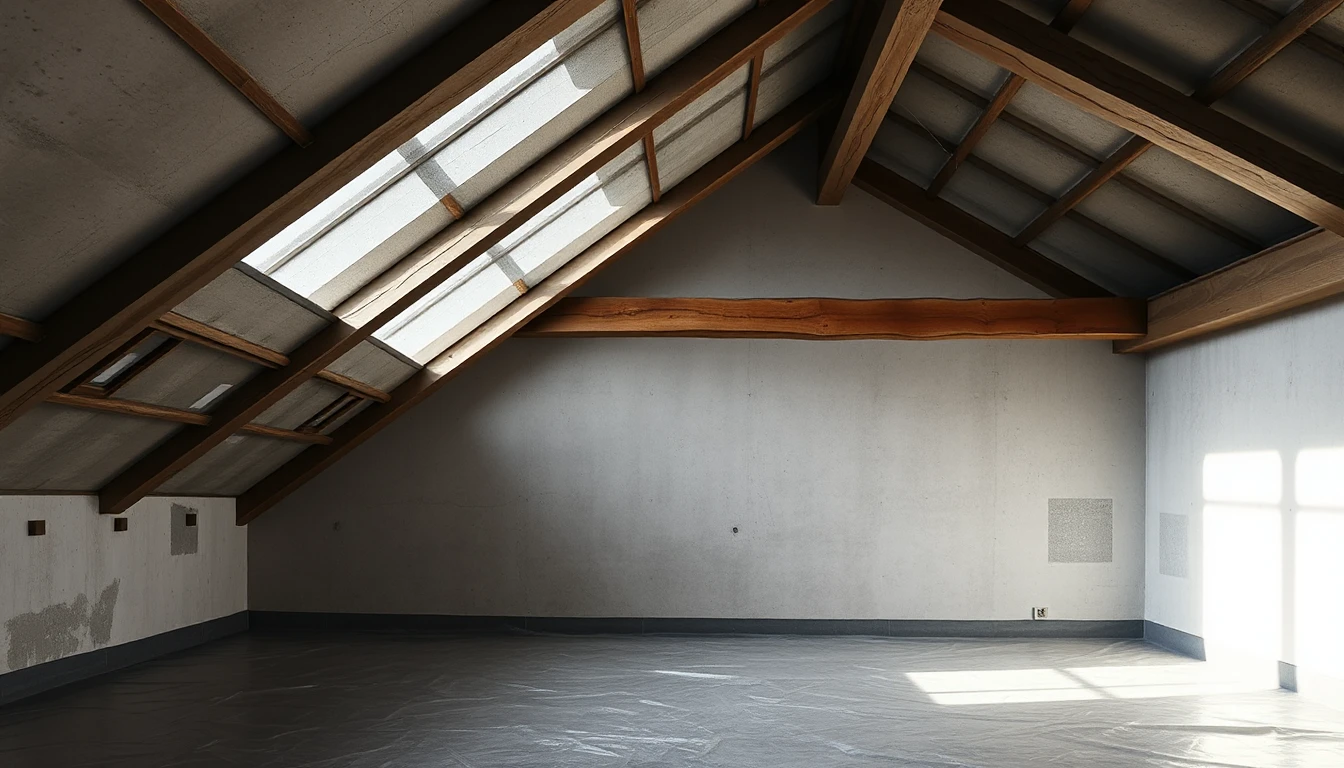
You want to convert the attic space or have old surfaces removed. There are only conjectures about the material build-up. Before anyone drills, sands or opens components, a possible asbestos suspicion belongs in the professional preparation. This article describes the commission to clarify; it is expressly not an instruction for taking samples yourself.
Collect the building history before work begins
The BG BAU explains that the year of construction can give indications of an asbestos suspicion and that existing information should be viewed critically. It also describes the information duty of the party commissioning the works towards executing companies and the importance of technical investigation or material analysis. [ASBEST] The approximate age alone does not replace an assessment related to the planned work.
Our editorial recommendation: Collect building documents, known periods of alteration and existing investigation reports. Separate the original building age from the time of later floor, roof or wall work. Describe the planned intervention precisely enough so specialists know which areas are affected. “New roof” can otherwise mean quite different work steps.
An investigation is only as extensive as its commission
Please ask the engaged specialist to explain which materials and areas are to be investigated and which are not. An existing finding for a single location does not necessarily answer questions about other components. The BG BAU explicitly points out that even after a negative finding, asbestos may be present in other, untested places. [ASBEST]
Therefore record in the documentation index not only “laboratory report available”, but the identifiable subject and the assignment within the building. Whether the investigation is sufficient for the new scope of work must be assessed professionally. Do not transfer the result yourself to materials that merely look similar.
How a suspicion becomes a workable commission
In the fictional example there is an older report on a floor covering. However, the new roof conversion is intended to open different layers. The owners give the specialist firm both pieces of information: the existing report and the new work description. They ask what further investigation is required before the start and how findings will be incorporated into the execution planning.
The result is initially a delimited clarification with responsibility, scope of investigation and open areas. Scheduling and cost planning are then coordinated on this basis. A laboratory commission without a clear sample allocation would not deliver this result.
No DIY attempts to speed things up
Do not damage suspicious materials to show the contractor a sample. Have investigations and any work planned by specialists qualified for this. If an unexpected suspicion arises during ongoing work you should not continue the affected task on your own initiative, but involve the responsible parties. Which protective measures, qualifications and notifications are required in the specific case must be professionally clarified on the basis of the applicable regulations.