



Reader question: How can we find a fair solution for the move-out when a jointly purchased appliance is involved?
One person is moving out, and the washing machine purchased together is to remain in the flatshare (WG). Now they demand their original contribution back in full. The remaining people want to keep the appliance but cannot each pay their share immediately. A workable solution must reconcile perceived value, actual usability and the move-out process.
Clarify the common starting point
Our editorial recommendation: Lay out invoices, payments and your original agreements side by side. Who claims which contribution and what was agreed for the move-out? Do not turn an uncertain recollection into an undisputed fact. This article does not determine ownership shares or legal compensation claims.
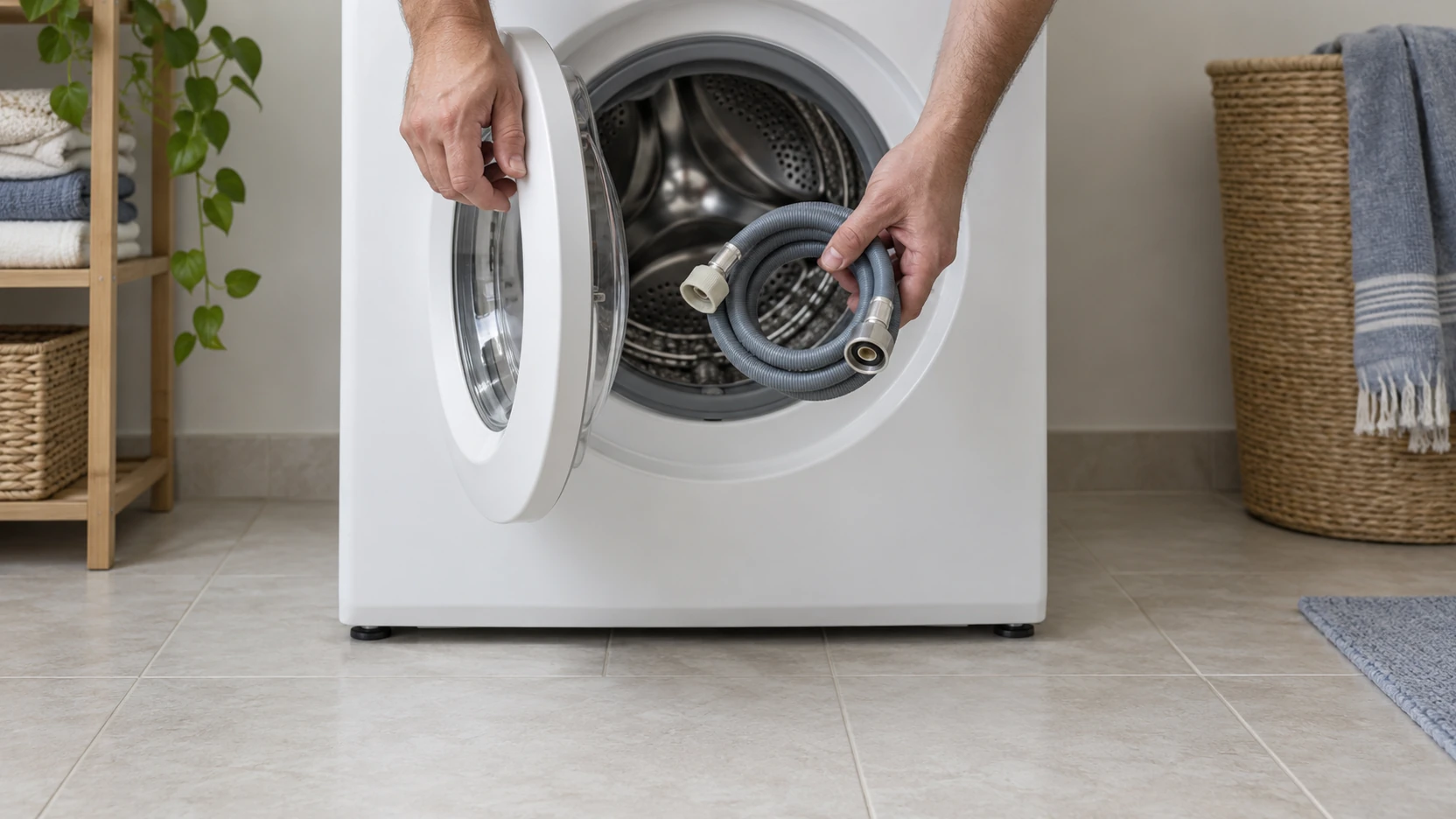
Describe the specific appliance with accessories and known problems. This can include a suitable connection hose or documents whose whereabouts may matter later. The original purchase price alone is not a shared statement about the current value or the sensible solution for you.
Compare three realistically feasible routes
First, the appliance can remain in the WG against a voluntarily agreed compensation. Second, one person can take it and remove it, provided the necessary rights and agreements are clarified. Third, a jointly agreed sale is possible. For each option, state who will then need replacement and who will handle transport, scheduling and other effort.
An apparently high payout is of little use if no one can collect the machine before the move-out. Likewise, a blanket line “Then we’ll just sell it” is not a realised price. A listing price remains an expectation until a suitable transaction occurs.
Negotiate the claimed residual value openly
Gather verifiable indications of age, condition and comparable appliances actually on offer. Such listings are not guaranteed sale proceeds. Do not use a freely invented annual depreciation as an allegedly legally binding calculation.
You can voluntarily agree a practical takeover value even if you do not know the exact later sales prospects. Then record that it is a negotiated joint solution. In case of serious dispute over rights or a significant sum, appropriate advice is needed instead of a payment forced by majority feeling.
A hypothetical settlement
In the example, two people consider themselves equally involved based on their undisputed original agreement. They voluntarily agree a current takeover value of 250 euro. One person keeps the appliance; both agree on 125 euro compensation to the other. The calculation follows exclusively their assumed shares and their agreement here.
If involvement or value were unclear, the half-and-half calculation would not automatically resolve anything. The hypothetical figures are neither market values nor legal directives. They show which two decisions stand before an apparently simple division.
Record the handling in full
Note the appliance, the remaining person, the agreed amount, payment date and handover status. Clarify whether the agreement concerns only this appliance or if anything remains open. Do not conflate the amount with a deposit or an unsettled electricity bill without clearly itemising the individual transactions.
If the appliance is taken away, connection and transport should be properly organised; this article is not a technical dismantling guide. Only when payment, location and actual handover align is the voluntarily agreed solution implemented. This applies to WGs in Austria and Germany regardless of which national law would have to assess a disputed individual case later.