



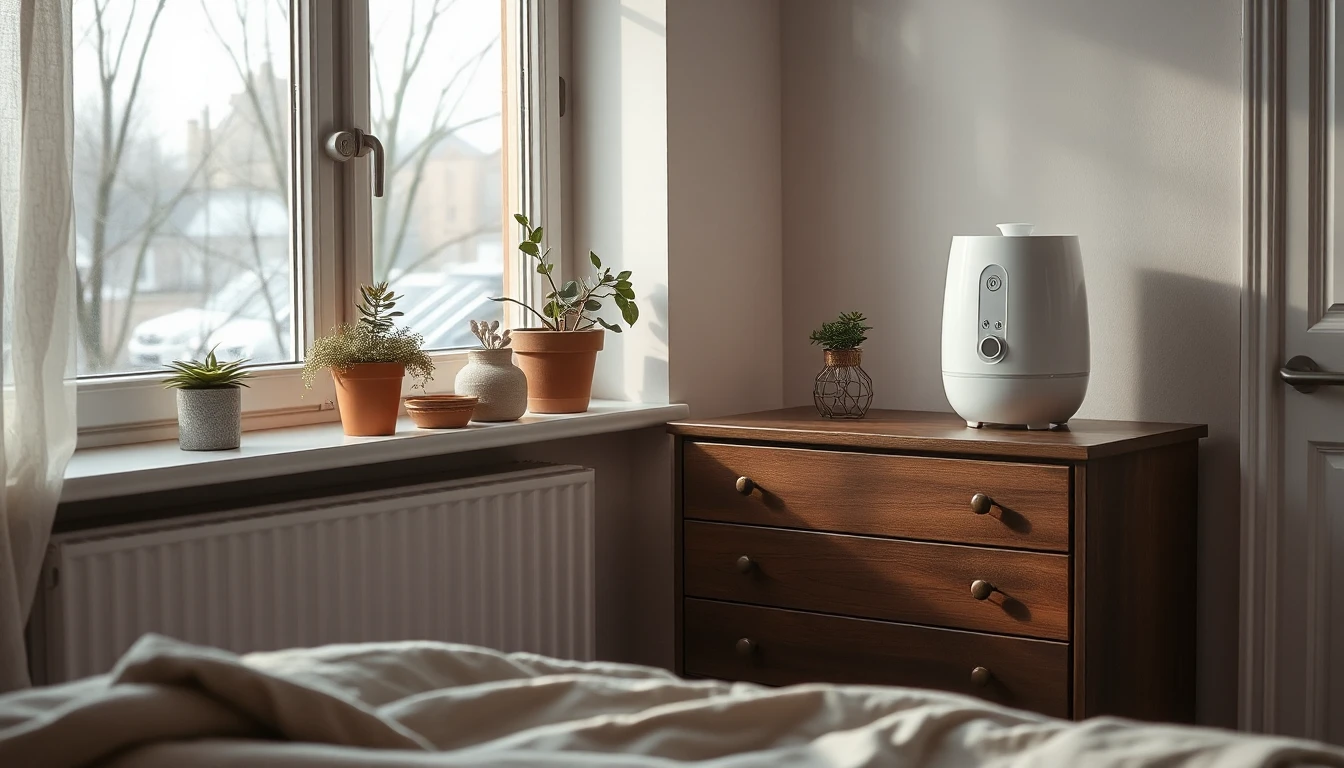
In winter you find the air in the living room uncomfortably dry. A humidifier promises an easy change. Before buying, however, you should clarify which observation you want to address and whether you can reliably manage the subsequent operation. More moisture is not automatically the right answer to every unpleasant room sensation.
Take the sensation seriously at first and investigate
The Swiss Federal Office of Public Health points out that air perceived as dry can have causes other than an actually low humidity. Unnecessary additional humidification can lead to over-humidification; stagnant humidifier water can also burden the air with certain devices. [FEUCHT] The general factual bases used here are those; no Swiss regulations are transferred to Austria or Germany.
Our editorial recommendation: First describe the affected room, the times and the change compared with earlier. Is the impression new, does it occur only when heating is on or also at other times? An existing humidity display can contribute to further classification, provided its measurement target and its use are clear. A single display and a subjective impression are not a medical or building-technical diagnosis.
Persistent complaints should be medically clarified. Building abnormalities or unclear room conditions may require an appropriate professional assessment. Buying a device should not obscure an open question of cause.
Read the operational effort before buying
If a humidifier appears to be a justified option, read the instructions for the specific device before deciding. What requirements does it place on water, cleaning, maintenance, siting and pauses in use? Who will take on these tasks, and does that fit into your everyday life? This article does not prescribe a general cleaning recipe; the product requirements must be part of the chosen solution.
A large water tank and long operating time alone are not a quality criterion for your situation. Nor does the label “for large rooms” decide whether the location and intended use are appropriate. If information is unclear, ask for an understandable explanation and for the limits of the specification.
A hypothetical purchase that can wait at first
A resident wants to order a device because she notices a dry feeling in her throat in the evenings. She does not know the actual room conditions and would be absent several times a week. Before ordering she clarifies her complaints and informs herself about the intended maintenance effort. The result may be a limited, supervised use. It may also turn out that another issue needs to be solved first.
The deferred order in this case is not a missed gain in comfort. It prevents a device from being purchased without a clear purpose and without secured supervision.
Check the outcome against the original question
If a device is used, observation and the manufacturer's specifications permanently belong to the operation. Record which goal is being pursued and when the decision should be revisited. Unresolved complaints, new humidity anomalies or maintenance that cannot be met are reasons for professional consultation and a re-evaluation. An advertising claim does not replace an appropriate solution for your room.