



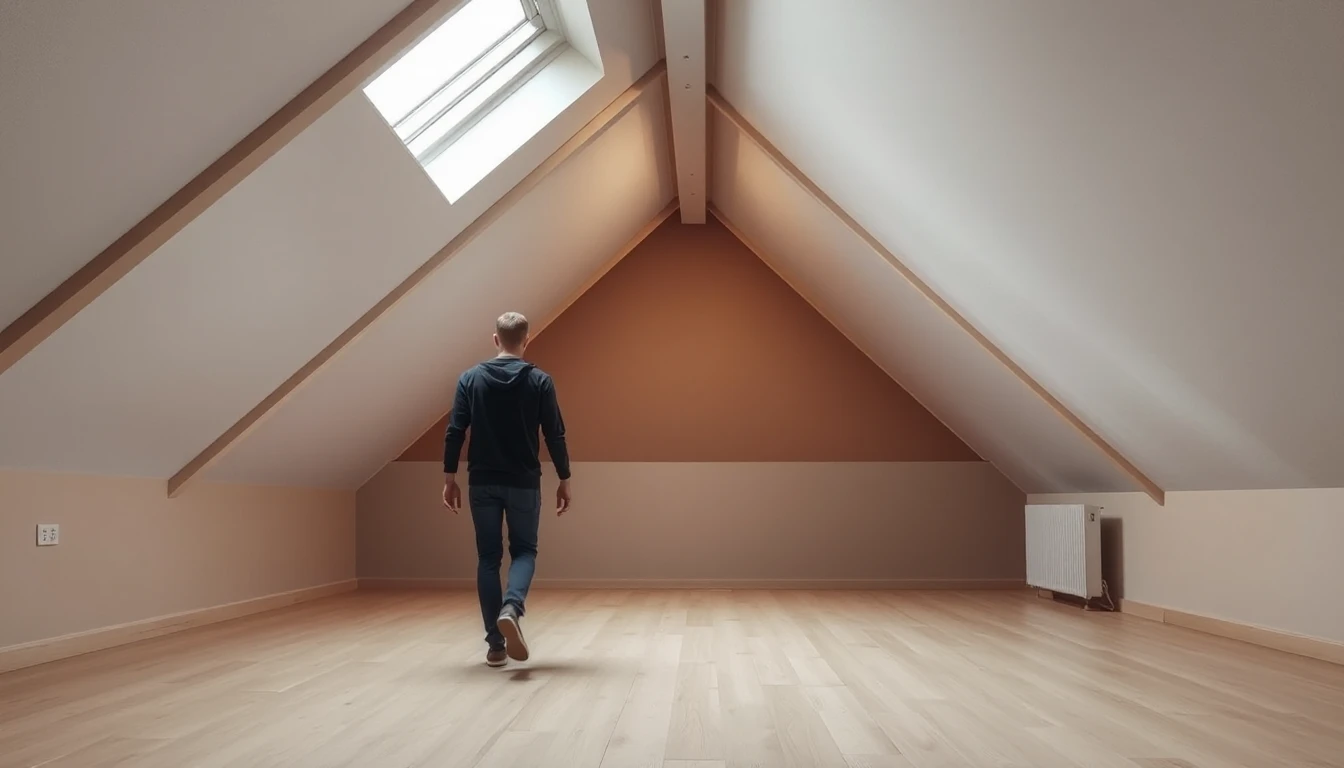
When furnishing, you notice that the rooms appear smaller than expected. An initial re-measurement shows significantly less area than the figure in the tenancy agreement. For further clarification, neither a mere impression of the rooms nor the quick statement “Then I will pay less from tomorrow” is sufficient. In the case of a German residential tenancy, the contractual basis, correct calculation and possible consequences are examined in that order.
Keep three different records
Our editorial recommendation: secure the tenancy agreement together with its annexes, the original offer and the existing area calculation. Also keep your measurement notes. Which figure was stated where and which rooms or ancillary areas are included? An old sales floor plan and a contractually designated living area do not necessarily serve the same purpose.
Do not alter the documents afterwards to create an apparently uniform version. A recognisable discrepancy is precisely the question that needs to be resolved. If there are several versions of the contract, it must also be clear which agreement was actually concluded. An explanatory addition concerning the area likewise belongs fully in the review.
An addition of floor areas is not yet a secured living area
For the professional calculation it must be clear which basis is to be applied in the specific tenancy. The Wohnflächenverordnung specifies its scope of application in § 1 and distinguishes the determination of the floor areas and their attribution. [GRUNDLAGE] From this it is not automatically derived here that every one of its rules applies to every private tenancy agreement.
If the WoFlV is decisive, § 4, for example, provides different attribution for certain room heights as well as for balconies and terraces. [ANRECHNUNG] Whoever adds up every visible floor area in full can therefore arrive at a different figure than an appropriate living-area calculation. Conversely, a lower own total must not be presented as an error by the letting side without review.
Have a substantial uncertainty examined by a suitable expert. The commission should name the flat, the actual condition, the basis used and the open comparison questions. A private sketch can help, but it does not replace this assignment.
What the ten‑percent case law says
The BGH explained in judgment VIII ZR 295/03 of 24 March 2004: if the actual living area is more than ten percent less than the area specified in the tenancy agreement, this generally constitutes a defect entitling the tenant to reduce the rent. In that case, an additional concrete loss of use did not have to be demonstrated. [BGH]
The statement is “more than ten percent”, not any arbitrary small difference. It also does not replace the review of the actually agreed condition and correct calculation. § 536 BGB forms the legal framework for reduction in the event of relevant defects. [MIETMANGEL] The article does not claim from this a general ten‑percent tolerance for all area questions, operating costs or rent increases.
Make the reference value visible in the calculation
A completely fictitious example assumes 100 square metres agreed and 88 square metres determined in a professionally appropriate manner. The difference is twelve square metres. Relative to the agreed 100 square metres, that is twelve percent.
It would be a different calculation to divide the twelve square metres by 88. For the undershoot described, the agreed starting value is the reference. The example contains no actually examined flat and does not specify any concrete rent payment or claim for repayment. It only shows the comprehensible ratio calculation that can form the basis for further assessment.
Address the letting side with a specific question
Set out the available information and the basis of calculation neutrally side by side. Request an explanation of the contractual area figure and the corresponding documents. A reasoned follow‑up question is more helpful than a blanket accusation of deception, as long as the actual cause is still open.
Keep responses and new documents with the same case. If an undershoot is confirmed, claim, period, possible repayment and the further payment procedure are assessed individually. An unsecured unilateral offset of payments can create an additional dispute. The article does not provide a universal sample letter for this.
The aim is neither to make every flat a prospective case for dispute, nor to explain away a substantiated discrepancy. A reliable clarification links the correct comparison figure with comprehensible documents. Only then can it be professionally assessed which consequence actually follows in the specific tenancy.