



Reader question: How do we resolve the permanent occupation of a communal room by private work?
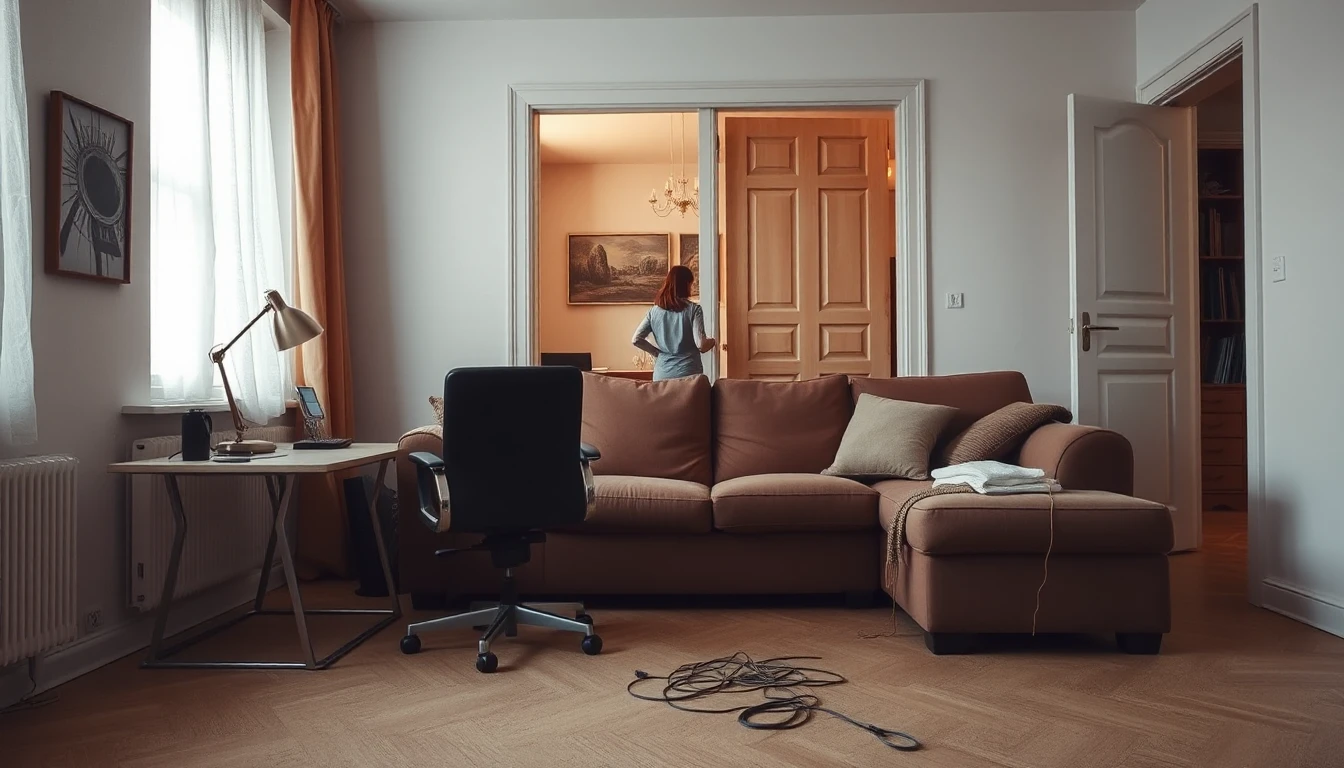
The desk was supposed to be in the living room only temporarily. In the meantime there are documents lying around, conversations take place there during the day and in the evening there is only room for eating together after a long time clearing it. Whoever raises the issue hears: “I have to work, after all.” Work is an understandable need. Your shared use nevertheless requires an expressly negotiated solution.
Reconstruct the previous agreement
Start with the factual starting point. Was a specific transitional period agreed, occasional use, or nothing precise at all? Describe this information without afterwards accusing the other person of deliberate deception.
Our editorial recommendation: Separate the question of what was previously assumed from the future solution. An unclear past will not become clearer by you discussing new deadlines. Conversely, the search for the exact wording used back then should not block every improvement for the future.
Make lost opportunities visible
Note an ordinary week from the perspective of all residents. Which communal uses have actually failed: eating together, visitors of one resident, quiet presence or something else? “It’s annoying” is an understandable starting point, but does not yet name a function to be restored.
Also ask the working person about their indispensable requirements. Do they actually have to block the whole room? Which appointments are fixed, which tasks could take place at some other available location? This contribution does not assess professional obligations and promises no claim to a specific other workplace.
Compare the alternatives and their consequences
One option is time-limited use with a clear complete clearance afterwards. A second is another actually available workplace. A third would be an expressly newly agreed permanent change of use whose consequences everyone would have to accept consciously.
When comparing, do not consider only the effort required of the working person. Which use do the other people lose and is that really bearable for them? A voluntary arrangement on costs can be part of a comprehensive agreement, but does not replace consent that is actually missing. The article does not decide rental shares or legal claims to rooms.
A hypothetical trial with two conditions
A flatshare of three experiments with limited working windows in the living room. Two conditions are agreed together: outside the windows the table is actually free; visits by the others must not be cancelled at short notice because the work unexpectedly takes longer. For foreseeably longer appointments a concrete alternative is sought in advance.
After the trial period it turns out that although the table is tidied, the room is still blocked by work materials. The flatshare does not treat this as a fulfilled agreement. They change the storage method and reassess the real shared use.
Set an end to the trial phase
Record what you are trying out, how you recognise the result and when you will discuss it. A makeshift solution that is repeatedly extended can again become silent permanent occupation. If a viable spatial solution does not emerge, the more fundamental organisation of living or working must be addressed.
The guide is intended as a voluntary household agreement for Austria and Germany. It does not permit a specific commercial use and does not replace a contract review. Its result should be a mutually understood state of use in which the original communal function is actually possible again.