



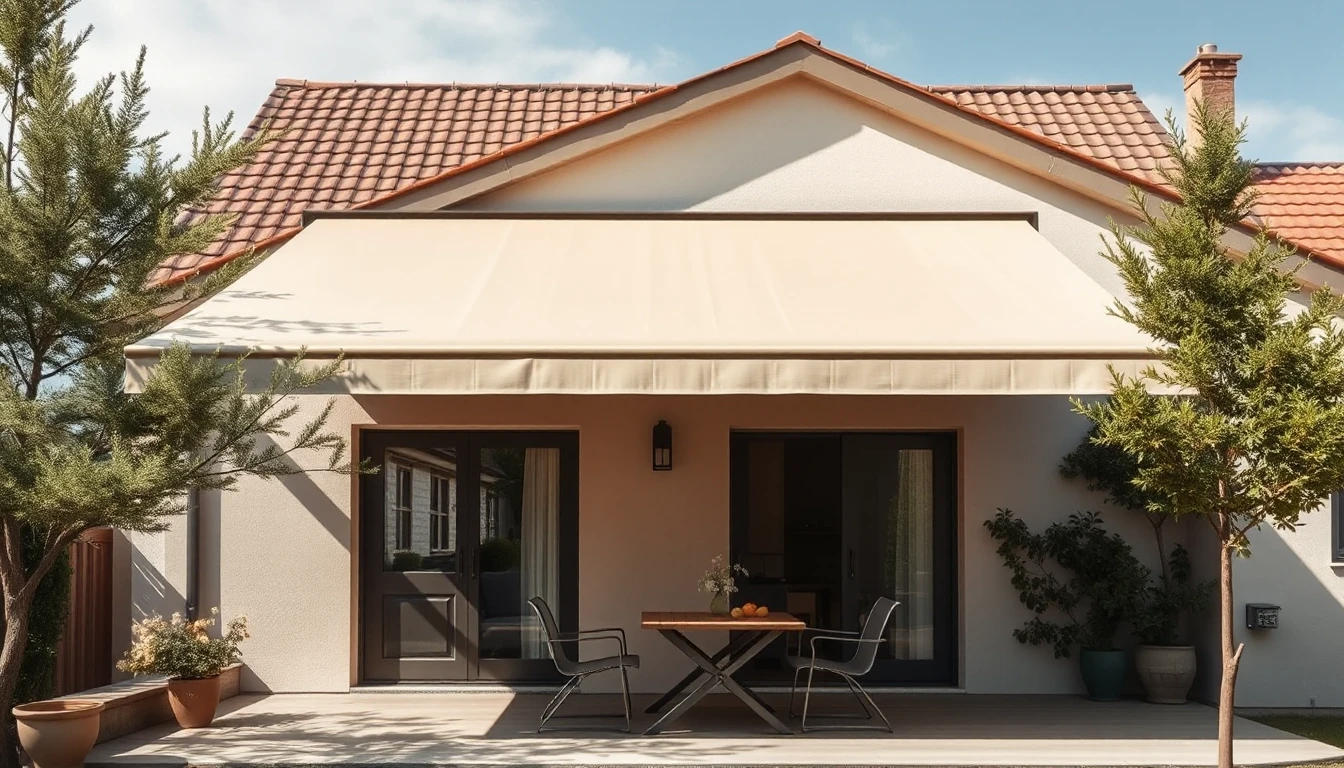
The existing awning is currently operated by hand. For greater comfort it should in future react to wind automatically. Before ordering only a sensor, describe the desired function for the entire existing system. What matters is which reaction is actually intended and which tasks remain with the household.
Do not equate wind, sun and rain
Somfy describes a wind control that drives a protective position after a set wind criterion. The manufacturer page treats sun and rain detection as additional functions or combinations. [WIND] The concrete retrofit is not thereby confirmed for every existing awning.
Our editorial recommendation: therefore note the actual wish. Should the awning retract in wind, extend in sun or also react to rain? Ask the provider to explain for each desired reaction which components and prerequisites are included in the offered package. A general word such as “weather protection” should not obscure these individual tasks.
Include the existing drive in the assessment
Collect the known details about the awning, the drive and the existing control. Let the specialist site assign the concrete combination and the required scope. A radio function with a similarly sounding name does not confirm full compatibility.
If components are added or replaced, commissioning and the comprehensible handover of the intended function are part of the contract. The article does not contain pairing sequences, installation, electrical or adjustment instructions and does not recommend a self-chosen wind threshold.
Understand the limits before commissioning
Ask explicitly about the operational limits of the specific system: which weather conditions or faults still require a manual reaction, how are failures detected and what applies during absence? The article promises no complete protection by a sensor. A general marketing statement does not become an insurance for every actual weather situation.
Even with several automatic functions it must be clear which reaction has priority under which circumstances. Have this explained for the offered system. The specialist site should also specify which planned checks and maintenance steps will be required later.
Fictitious case: Expectation of rain response is not included in the package
A household wants the awning to be automatically attended during its absence. The offer initially contains a wind function, but the family additionally expects a reaction to rain. Before purchase they map both expectations to the actually offered services and have the limits explained.
This results in a conscious order with an understood function. An awning automation here is not an authorisation for arbitrary unattended use, not a statement about the existing fixing and not a substitute for the concrete manufacturer instructions. The important decision is made before purchase: does the behaviour actually offered fit what the household expects?