



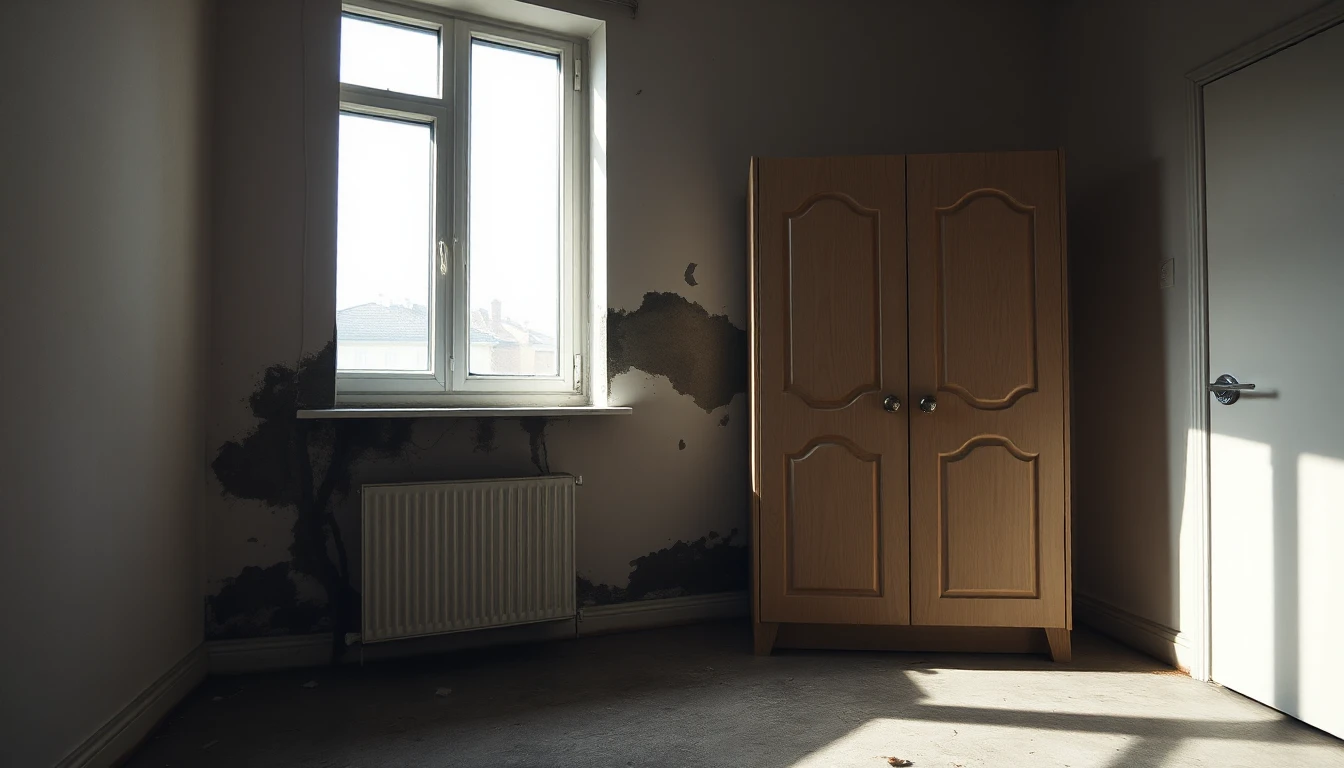
Reader question: What facts and procedural steps do I need before I give notice without notice (fristlos kündigen) because of a significant danger to health?
A burdensome living condition and a sustainable reason for immediate termination are different assessments. For Germany, §569 paragraph 1 BGB names rented residential space whose use is associated with a significant danger to health. Whether your specific condition reaches this threshold must be assessed based on the actual danger. An unpleasant smell or a single photograph does not by itself answer this question. [BGB569]
First describe the condition and the danger
Create a factual overview: Which rooms are affected? Since when and in what use does the problem occur? What changes have been observed, which investigations have already taken place? Separate your own observations from expert findings and from still open conjectures.
A medical finding regarding complaints and a technical inspection of the flat answer different questions. Do not state a secured cause in the documents based on your own assessment. Which professional clarification is necessary depends on the problem. This article does not assess a health hazard and does not give medical instructions.
Report the issue and consider possible remedies
Defects that occur during the tenancy must in principle be reported without delay. Failure to report may have consequences for claims and for termination without a remedy period. Record therefore what you informed whom about and when, and how you can prove access. [BGB536c]
In the event of a breach of contract, §543 paragraph 3 in principle requires an unsuccessful reasonable remedy period or a warning. The provision knows exceptions, for example obviously hopeless remedies or special reasons which, after weighing the interests, justify an immediate termination. The mention of a health hazard therefore does not automatically mean that any further examination of remedies is omitted. [BGB543]
Have the exception before a termination assessed precisely on the basis of the concrete urgency and the measures already taken. A blanket deadline from an internet template does not necessarily fit the identified danger.
Known at the time of moving in?
A particularity is explicitly stated in §569 paragraph 1: The right to terminate because of a significant danger to health can also exist if the danger-causing condition was known at the time the contract was concluded or if rights to this were waived. That does not replace the finding of the significant danger and the other termination assessment. [BGB569]
In a hypothetical case a tenant knew of a conspicuous area of wall. Later there are new expert findings about the use of the room. Her earlier knowledge is a documentation point; it does not decide the health ground alone. Decisive remains the overall situation now concretely examined.
Prepare a comprehensible decision
For advice, the contract, condition overview, expert documents, defect reports, proof of delivery and responses belong together. The guiding questions are: Is the significant danger sufficiently established? What remedy was made possible or why is a statutory exception in consideration? Is continuation still reasonable?
The termination requires written form; the important reason must be stated in the termination letter. A mere message "I am moving out because of the flat" leaves these requirements and the justification open. [BGB568][BGB569]
An actual move-out, the return of the keys and an effective termination of the contract must then be coordinated. The text does not promise an automatic cessation of further payments. Its aim is a verifiable termination decision with concrete facts, instead of a final declaration based on mere conjecture.