



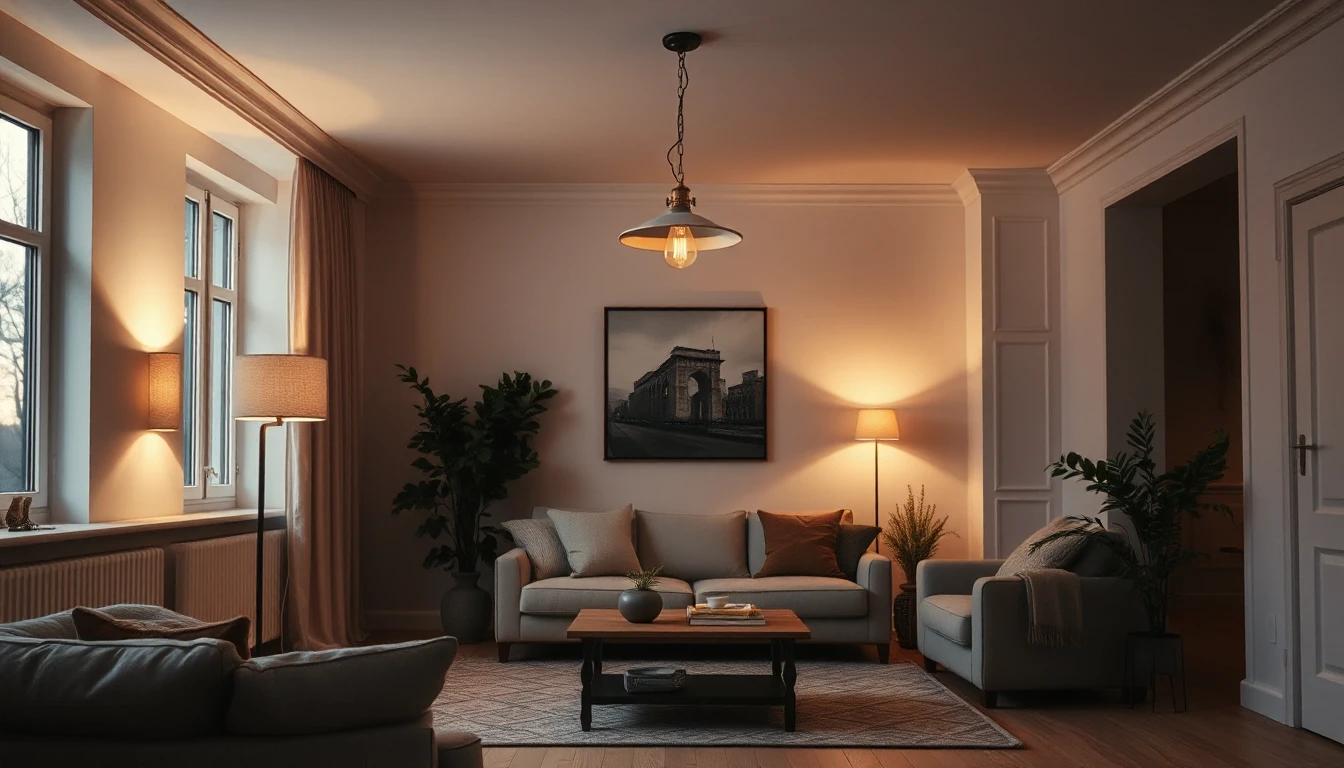
A light source is to be replaced. You want to use less energy, but the room should remain pleasant and usable. The letter on the energy label answers only part of the choice. It is helpful to note the comparative information and the desired light effect separately and only then bring them together.
Compare using the same designation
According to the European Commission's explanation, the current EU energy label for light sources uses classes A to G. It states the power consumption in the switched-on state per 1.000 hours. The QR code leads to the EPREL product database; there are further details such as luminous flux, colour temperature and socket type. [LICHT] This information relates to the specific model and should be kept together when comparing.
A better efficiency class is therefore not yet a complete answer as to whether a particular light source will suit the room. The consumption value is also not an annual bill for your household: how long the light source is actually switched on and the electricity price you pay are not specified in it as personal usage.
Describe the intended use
First note where you need the light. Is it for the existing reading lamp, a dining table or the general room lighting? What bothers you about the previous solution and what should be retained? Describe the impression in your own words before deriving the entire plan from a single numerical value.
In the fictitious example someone buys for a seating area solely according to the best available efficiency letter. Only at home does it become apparent that the chosen light effect does not match their own preference. The lesson is not a judgement of the product: the selection had skipped an open usage question.
Compile product data purposefully
Please ask the retailer or specialist company to check model, socket, luminous flux and colour temperature against the intended luminaire. If a dimming function is desired, its specific suitability should also be included in this query. The article does not confirm compatibility and does not give instructions for modifying electrical parts.
Then compare only products that are actually suitable for your intended use. Place the consumption information side by side on the same basis. If older documents show a different scale, do not transfer the letter to today's classification without further ado. Look up the appropriate current model information instead of guessing a general conversion.
Check the decision against the overall purpose
A short shopping list is sufficient: intended location, confirmed technical suitability, desired light effect and energy information of the specific model. Leave unknowns open until answered. This turns the wish “economical and cosy” into a comprehensible request, without presuming that a single class fully expresses both properties.
The European labelling framework concerns product comparison in Austria and Germany. It is not connected with an inspection of the electrical installation, local installation rules or special application areas. A suitable specialist is responsible for work on the installation.