



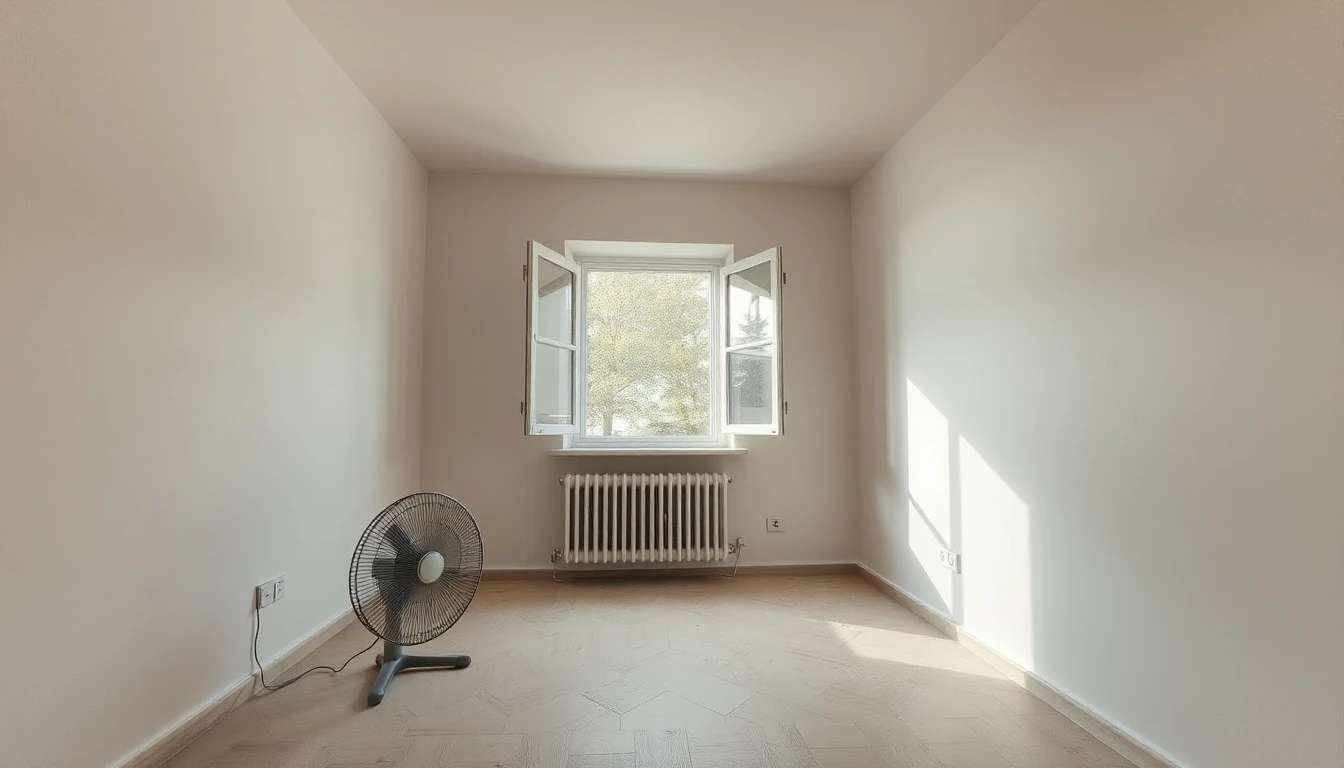
The new surfaces look finished and moving in is imminent. After internal plaster, screed or other wet construction work the phrase is heard that it now just needs to "air out a bit". For your everyday living you need a more precise explanation: which condition was assessed and what further care of the rooms is planned?
A possible cause is not a complete explanation
The Umweltbundesamt cites insufficient drying after new construction or building works as a possible cause of increased moisture. Other causes such as water ingress or condensation are also possible. [BAUFEUCHT] A freshly renovated room therefore proves neither damage nor the harmlessness of any later irregularity.
Our editorial recommendation: ask the responsible planner or operator for an explanation related to the project. Which works took place, which building components were assessed and what is actually known for the intended start of use? Separate the visible completion from statements that have not yet been examined.
Turn a buzzword into a comprehensible procedure
If further moisture removal or special care is planned, have it explained what exactly needs to be observed in normal household use. Which existing system is to be used as intended and how, who answers questions and when will the condition be reassessed? The household should be able to understand these instructions and implement them in everyday life.
A general number of open windows or heating days from another house does not replace this explanation. This article does not prescribe ventilation intervals, temperatures or drying equipment. If technical measures are required, they must be professionally specified for the particular building.
Communicate furnishing and use early
Describe the uses and fittings actually planned. Which rooms will be occupied immediately, where are larger built-in furniture pieces planned, and who can perform the agreed tasks? Request that the planning also be explained with regard to these concrete steps. A subsequent discussion about unknown usage assumptions is helpful to no one.
In the fictional example a family wants to fully furnish all rooms immediately after extensive internal work. They only know the blanket remark "new-build moisture is normal". Before moving in they clarify the professionally confirmed condition, the intended usage instructions and a route for follow-up questions. Open prerequisites are not resolved by the removal van being booked.
If new irregularities occur, ask targeted follow-up questions
Record a newly noticed change with location and date, insofar as this is safe without intervention. Report persistent moisture, conspicuous surfaces or an unclear course to the responsible specialist. Do not explain such observations yourself as unspecified normal residual moisture.
Later feedback must make clear what was assessed and which question remains open. This contribution does not confirm habitability, readiness for occupation or suitability for health. It helps you to agree a comprehensible approach appropriate to the actual building for the period after construction completion.