



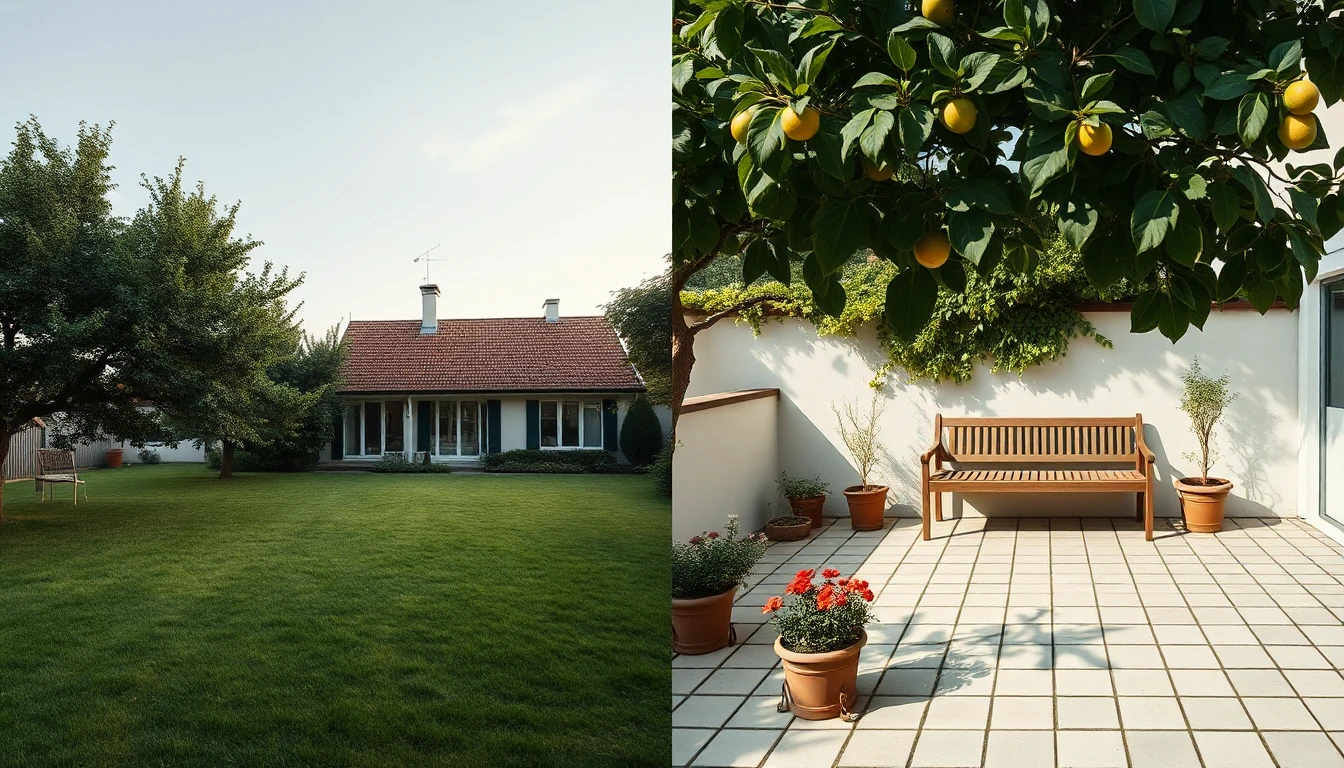
A private garden is a powerful residential image: breakfasting outside, space for plants and inviting friends over at the weekend. When searching, this image should also fit an ordinary Tuesday. Someone who primarily wants the outdoor area for relaxation may be looking for something different from someone who enjoys gardening for several hours. Size alone does not resolve this difference.
We compare two fictional housing variants. The comparison is an editorial decision aid for Austria and Germany. It does not assess garden rights, structural permissibility, plant care or the technical safety of a specific plot.
Two attractive offers, two different everyday lives
Mira and Jonas view an apartment with a larger garden and another with a small terrace. Both apartments meet their main interior requirements. In the first conversation the garden immediately wins: it offers more possibilities. Jonas thinks of vegetable beds, Mira of a seating area for after work. Neither yet knows whether they will actually want to make use of the same possibilities.
Our recommendation is to first distinguish between these usage images. A quiet spot for two chairs, regular plant work and frequent larger gatherings are different desires. It is not enough to lump them together under “being outside”. Each desire needs an actual place in everyday life.
The normal weekly schedule gets a place first
Mira and Jonas enter working hours, fixed appointments and tasks they already perform regularly into a simple weekly overview. They are not only planning a particularly relaxed holiday month. Afterwards they consider when the outdoor area could be used and when necessary upkeep could be carried out.
In the fictional plan one person is often away at the weekend. The other wants to use free time mainly for relaxation. A large available area would not remove this difference. The couple therefore honestly describe which tasks each would like to take on and which have so far only been “somehow done”.
In doing so neither square metres are converted into a purported general number of hours nor are particular garden types generally labelled as low-maintenance. The existing condition, the tasks actually intended and appropriate professional advice are more important for the specific property than an advertising word.
What speaks for garden and terrace respectively?
In the example the garden is favoured because Jonas would like to manage a small long-term planting project himself. The area would be part of his hobby and not just the backdrop to the apartment. A prerequisite for his personal decision is that the intended scope actually fits his timetable.
The terrace better matches Mira’s wish for a manageable place to spend time. That does not mean it causes no tasks or that every terrace would be usable without further preparation. It only means that the desired personal use is described differently.
Both options are compared with the same questions: What use do we actually want? Which upkeep will we do ourselves? Where do we need a confirmed alternative solution? A larger outdoor area does not receive an automatic bonus for possibilities the household has no intention of pursuing.
Think concretely about help, without assuming it
Jonas initially says a neighbour could help during absences. In the comparison this idea does not yet count as reliable upkeep. If help is essential to the decision, it must actually be discussed. For an external service the task, availability and costs for the specific undertaking must be clarified.
The couple also consider a demanding phase: what happens with many professional appointments or if one person is temporarily unavailable? There is no need to predict every life event. What matters is whether the plan would already collapse with a foreseeable ordinary deviation.
Separate assumptions are made for costs and own work. Saved expenses through personal labour are only a useful consideration if this work is actually wanted and realistically available. The comparison does not establish a personal duty to care for the garden; contractual responsibilities must be clarified separately.
Turn the conversation into a search requirement
As a result the couple no longer seek the largest possible garden. They search for an outdoor area for regular use with a limited personal gardening project. The exact size is determined by suitable offerings and later inspection, not by a predetermined ideal number.
At viewings they now ask more targeted questions about the existing condition, access, intended responsibilities and the boundaries important for their use. Unresolved rights or technical questions are left for examination. A fitting weekly plan does not replace these proofs.
Perhaps the larger garden remains the right choice. Perhaps the terrace wins. The value of this comparison lies in the decision being based on the actually desired way of living. Outside should bring a genuine everyday benefit and not a permanent task that nobody consented to when looking at the photos.