



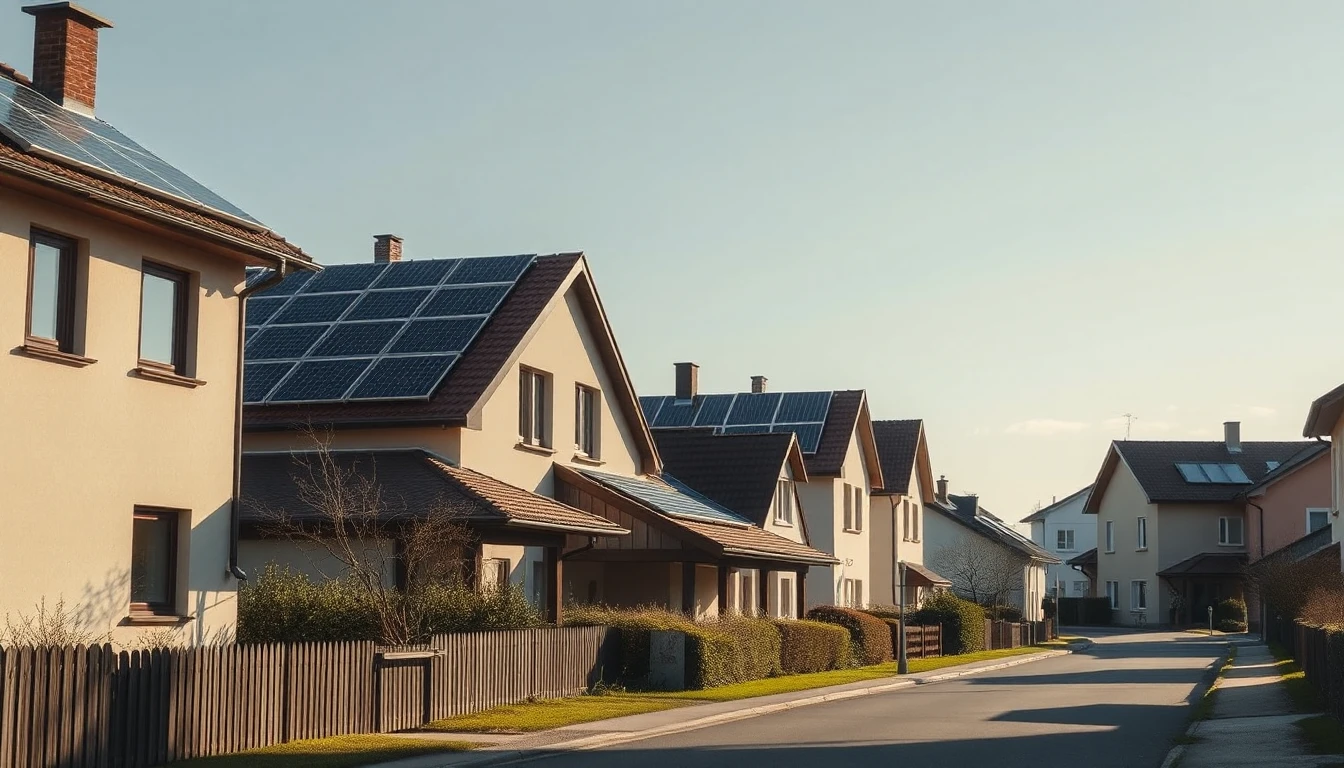
An energy community advertises electricity from joint generation. You are considering joining and first compare a quoted kilowatt‑hour price with your previous bill. Important parts are still missing for a sound decision: which quantity of electricity will actually be allocated to you, which supply continues alongside it and what commitment are you entering into with the community?
Joining does not automatically replace your existing supply contract
E-Control explains that participants continue to have a freely chosen energy supply contract and a network usage contract. If the community’s generation is not sufficient, the supplier covers the remaining demand. In addition, there is a contractual or membership relationship with the energy community. [GEMEINSCHAFT]
Therefore do not read a joining offer as if it were a simple complete supplier switch. Clarify what role each party plays and who issues which invoice. An ongoing payment to the supplier is not, by itself, an error just because you have since become a member.
Annual generation and your allocated share are different figures
The E-Control information describes the measurement and allocation of electricity quantities as the basis for the community’s billing. For this billing it names smart meters and recorded quarter‑hour values. [GEMEINSCHAFT] A stated annual production therefore does not yet explain which quantities are actually taken into account for your specific consumption.
In a hypothetical example a household hears that a community produces a lot of solar power. Its own consumption, however, does not occur evenly throughout the day. The appropriate follow‑up question is how its allocation is to be carried out and on which assumptions the example bill provided is based. One must not simply deduce a guaranteed coverage of its annual consumption from the sum of the annual generation.
Ask for a clear presentation of the intended billing procedure. Which values will you receive? How can you recognise the period under consideration and your allocated share? Who answers if there is a discrepancy between expectation and bill? These are concrete questions about the offer, not your own technical approval of the metering system.
Compare a price with its actual scope
Put together the expressly agreed fees and payment routes. Which costs are ongoing, which arise on joining and which depend on certain conditions? A single energy price should not be tacitly understood as the complete total price of the supply.
This article does not state any currently generally valid network fee reductions, exemption from levies or percentages of savings. Such information must fit the specific model and the current framework. Have an offered total calculation explained in a traceable way before you compare it with your previous complete annual bill.
Also take the temporal reference into account. A bill for an earlier period and a forecast for a different course are not identical comparators. Explicitly indicate which values are actual experience and which are only assumptions.
Membership and later withdrawal also need clarity
Read the terms for the start, duration, changes and termination of participation. Note which organisational tasks you are to undertake and which services the community promises. A general favourable description of the joint undertaking does not replace this concrete agreement.
If you move later or your consumption changes, it should be clear to whom you turn with which question. Do not assume that a change automatically treats all involved contracts the same way. If terms are unclear, appropriate advice and a targeted enquiry before joining are helpful.
In the end you need an understandable picture of community share, remaining supply and membership. The joining is thereby neither generally recommended nor dismissed on financial grounds. The decision should be based on the actual model, without presuming any specific supply level or financial saving in advance. The Austrian contractual constellation described here is not transferred to German models.