



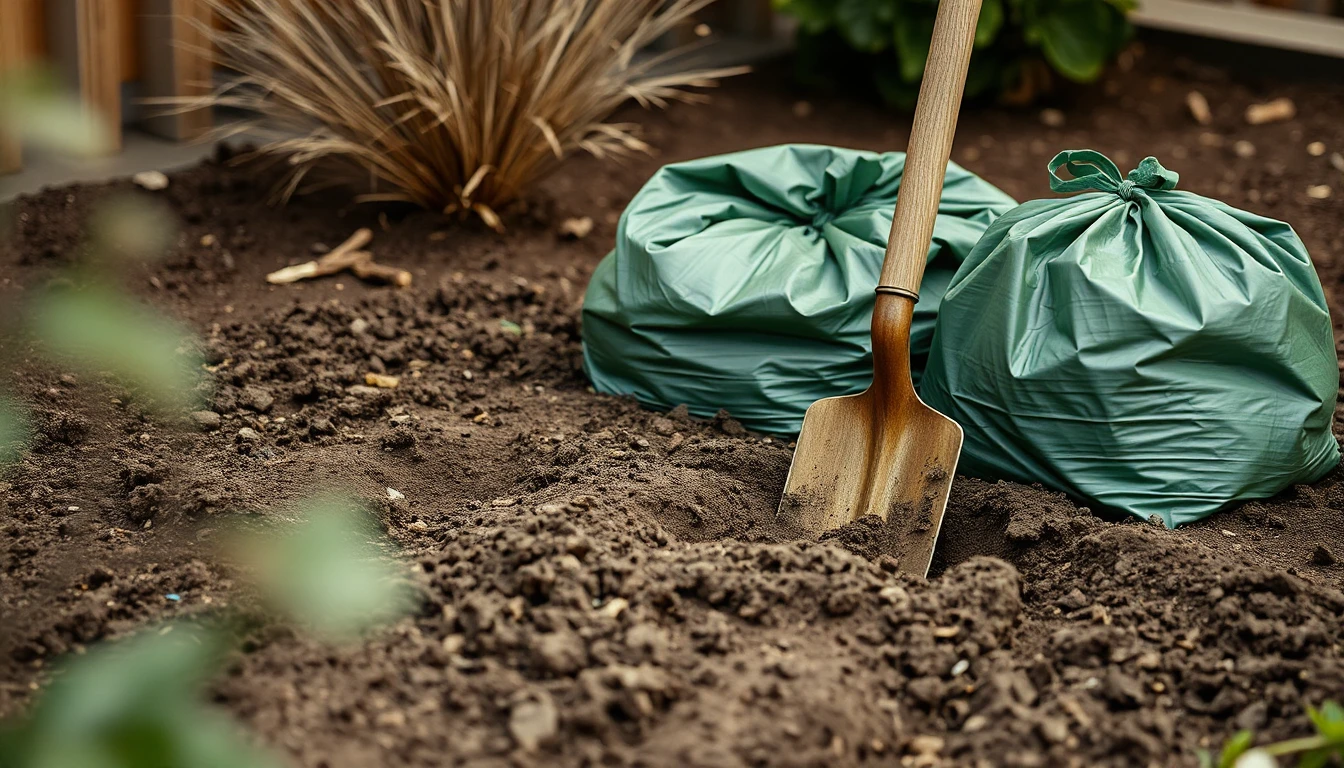
A garden path is to be newly laid. A vigorous perennial grows at the edge; the excavated soil was intended for another part of the garden. If Japanese knotweed is suspected, the planning concerns more than the visible stems. Before excavation, it must be clarified how plant material, soil and equipment are to be handled so that the work does not create a new infestation elsewhere.
The article leads to a concretely delimited preparation of the earthworks, not to an independent control manual. Species identification, permissible treatment and the actual disposal route remain with the responsible specialist authorities and companies. A general discussion of garden maintenance does not answer this question.
Treat the suspicion seriously before moving soil
The Umweltbundesamt describes the spread of Japanese knotweed via contaminated soil, garden waste and machinery. The species reproduces mainly via rhizome and stem fragments. [UBA] A strip cleared above ground therefore does not yet confirm that the soil is harmless.
First record the location and the visible growth from an ordinarily accessible area. Have the suspected species identified by an expert. Lay out the planned work area alongside: where will soil be excavated, temporarily stored, transported or installed? The boundary of the visible shoots is not declared the boundary of the affected soil without specialist assessment.
Until this question is clarified, the suspicious area will not be included in a routine assignment “remove soil and distribute it in the garden”. This is our precautionary editorial recommendation based on the described pathways of spread, not an official prohibition order.
Consider soil, plant debris and equipment as separate streams
Three decisions are needed for concrete work planning: how will potentially affected material be kept separate from the rest of the soil? Which pre-confirmed route is intended for the actual material arising? How will it be prevented that adhering parts are transported to the next work site on equipment or vehicles?
The Styrian species fact sheet recommends not mixing clean and contaminated soils, mentions closed transport systems for biogenic material and from a professional perspective refers to a officially approved landfill for viable excavated material. [STMK] This is not an acceptance commitment from a specific facility. Material type, quantity and acceptance conditions are agreed concretely before removal; plant debris and excavated soil do not automatically receive the same disposal route.
An on-site garden soil processing or an assumed sieving is not proposed here as a confirmed solution. Nor is the blanket performance line “disposal included” sufficient if the special infestation is not even known to the company.
Check execution against the actual material flow
Supplement the scope of work with the affected area, separate treatment, intended destination and the professionally specified equipment hygiene. It must be clear who has confirmed which material decision. Have the company explain how the equipment actually used and the intended transport cover the agreed scope.
This procedure does not prescribe a universal excavation depth or a cleaning method or herbicide. The Umweltbundesamt emphasises that there is no generally valid control recipe and that multi-year follow-up management may be necessary. [UBA] Therefore no guaranteed permanent eradication can be inferred from a single day’s work.
Fictitious case: The second garden area is left out of the excavation plan
An owner wants to move the soil from the new path into an empty bed. After a knotweed suspicion she has the growth and the material route checked separately. The specialist side defines the extent to be treated, and the company confirms a matching acceptance and transport route. The distribution to the second bed is removed from the original order. All case details are fictitious.
At the end, the actually worked area, the material evidence and an agreed follow-up inspection belong. A photo without visible stems does not replace this information. If shoots reappear later, the find can be assigned to the treated location, instead of moving soil again without connection.