



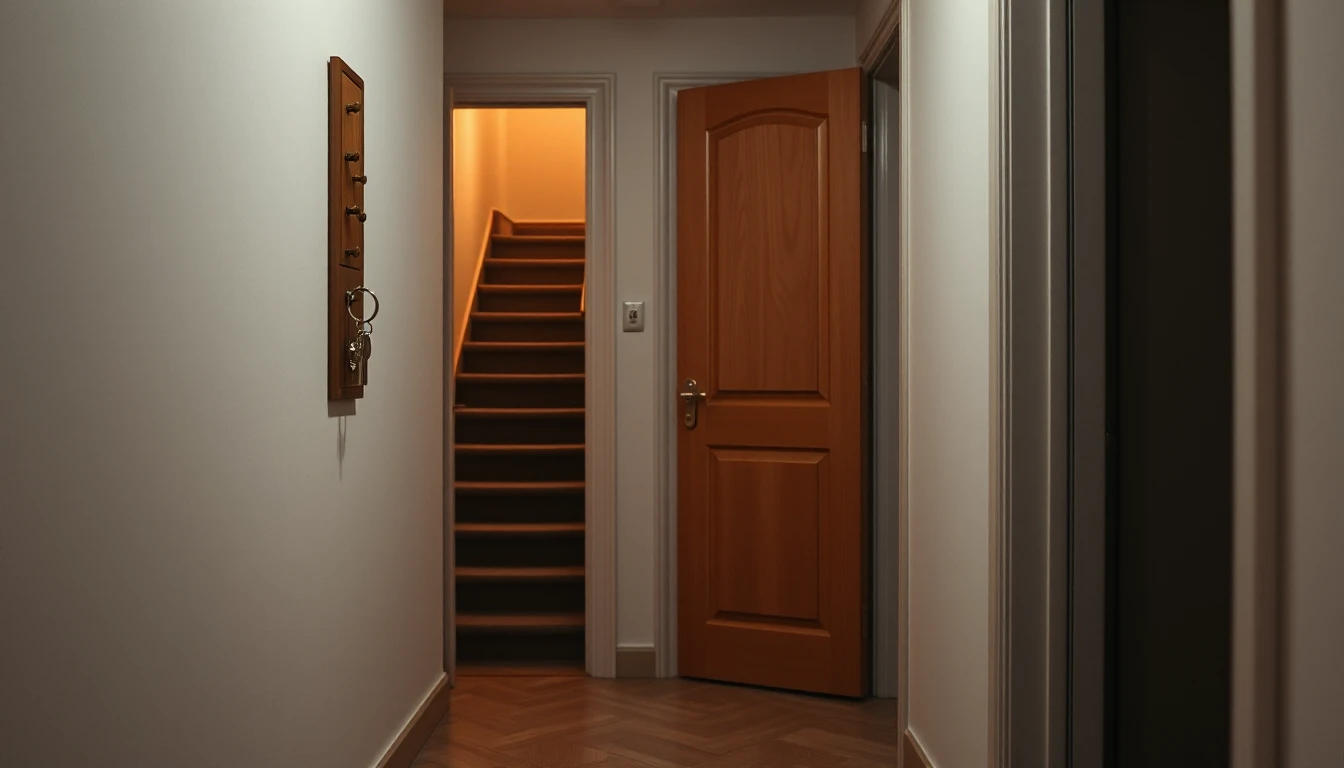
A key is missing, and several questions arise at once: Where was it last? Can you still get into the flat? Who must be informed? The following editorial guidance organises the initial report. It does not assess liability or insurance coverage and gives no technical recommendation for replacing a locking system.
First describe the current situation
Briefly record which key might be affected and which accesses it serves to your knowledge. Distinguish confirmed information from guesses. If you do not know whether the missing key also fits the cellar, write “still unclear” instead of inventing a complete list.
Also note whether the key is only temporarily misplaced, a loss is suspected, or there are concrete indications of theft. This distinction serves a factual report; you do not have to claim an unknown cause. In the event of an acute danger, use the appropriate emergency channel rather than wait for an ordinary administrative response.
Use the known contact route
Find the already agreed contact for the flat or the building. Ask which information is needed for classification and who will agree the next step. Do not share sensitive details about the address, key assignment or possible access in a public house group.
If you are locked out and need immediate help, state that specific situation clearly. A door opening, a potential replacement key and the assessment of further access security are different tasks. Clarify which of these is to be commissioned now, who will agree it and how the feedback will be provided. Do not give premature blanket consent to measures whose scope you have not yet understood.
Example: Flat accessible, front-door key missing
A tenant has misplaced her own bunch of keys. A person living with her can still let her in. In the message to the management it therefore says: “The flat is currently accessible. My bunch of keys has not been found since yesterday's journey home. To my knowledge it concerns the building and flat entrance; I will still check the cellar assignment.” She asks for the agreed further procedure.
This does not order an emergency opening nor claim that a replacement is unnecessary. The responsible body first receives the correct starting situation. A later specialist decision can build on that.
Record agreements and update with new information
Note the time of the conversation, the contact person and the specifically agreed next step. If the key reappears, report this promptly via the same case. Do not initiate several uncoordinated orders in parallel just because the first response is still pending.
Keep records of services actually commissioned. The later clarification of costs, responsibility or insurance remains a separate step based on the concrete facts and the relevant agreements. An orderly initial report does not replace that review. But it does prevent the first communication from already mixing different issues or suggesting an order that has not yet been agreed.