



Reader question: How do I coordinate residential use during a professionally supervised drying and document the actually recorded additional electricity?
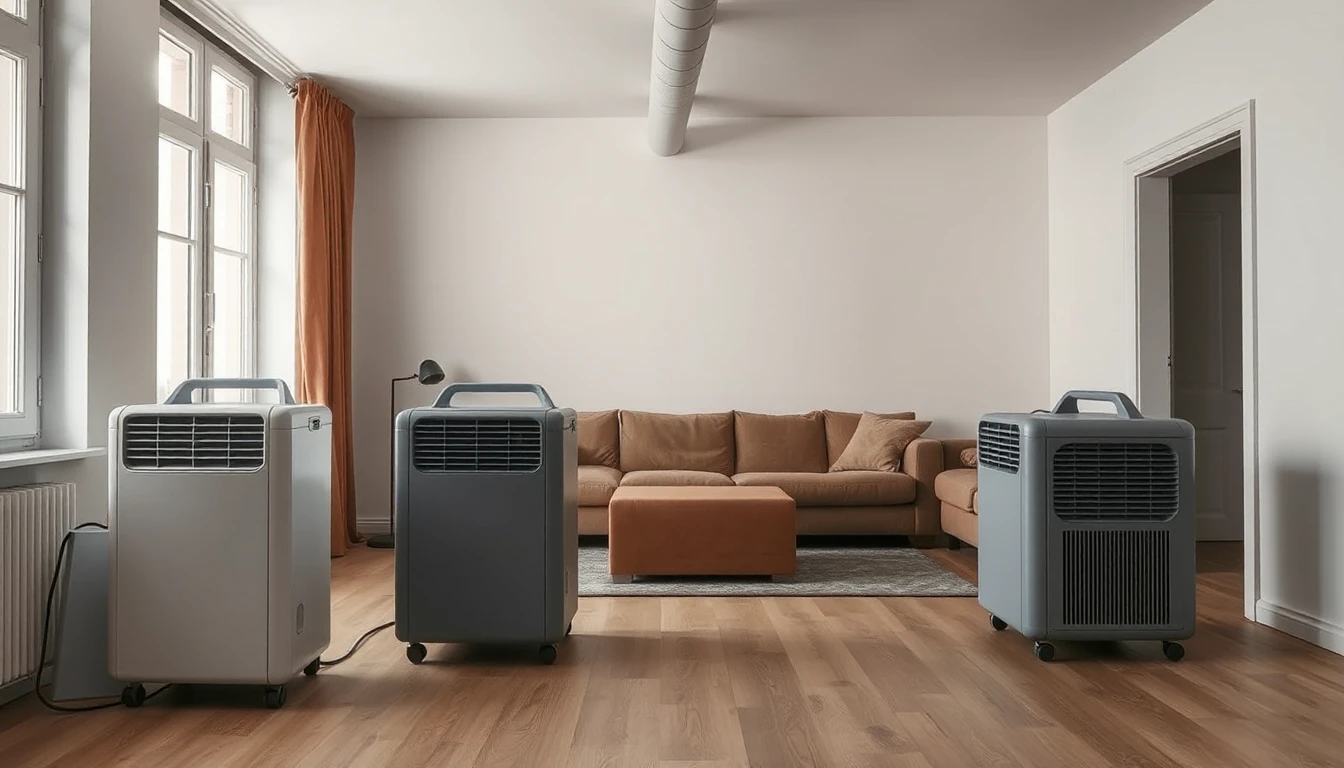
After water damage that is already being professionally attended to, drying devices are in the apartment. You are supposed to continue living there while observing the requirements for the work. This article assumes that the acute damage has been professionally addressed. It helps to organise a comprehensible daily routine and a verifiable electricity statement; it does not itself control the technical drying.
Obtain a clear statement of work
Please ask the responsible specialist company for the concrete details for your flat: which rooms and devices are part of the assignment? Which use is possible, which restriction is professionally prescribed and when will the situation be reassessed? Who can be reached in the event of a malfunction or a new observation?
Unclear or contradictory instructions should be referred back at this point. A general internet recommendation does not answer whether you may ventilate in the specific setup, move a device or interrupt operation temporarily. Do not set your own operating times simply to achieve an estimated electricity total. Technical changes require the actual professional decision.
Describe daily living spatially and temporally
A helpful message might read: “The bed in the bedroom has been inaccessible since Tuesday; I am temporarily sleeping in the living room. For the inspection appointment on Thursday I can provide access from 2 pm.” It states an observed restriction and a concrete need for coordination. “The flat is completely uninhabitable” would, without appropriate basis, be a further evaluation.
Record changes instead of copying the same blanket sentence daily. Was the kitchen usable in the morning and blocked from the setup in the afternoon? Was one device removed but another restriction remained? Such differences help later with an actual assessment. A new irregularity should not only be mentioned in the final report. § 536c BGB requires in particular the prompt notification of defects that occur or of necessary protective measures; a failure to notify can have consequences. [BGB536c]
Electricity readings must match the assignment
Ask before or at installation how the additional electricity is to be recorded. If a dedicated consumption meter is used, assign its identifier to the device or to the clearly labelled device group. Secure the existing initial reading, date and the later final reading together with the work record. Ask if in the meantime a device or a measuring instrument was replaced.
A photo of the final reading alone does not show an initial value. Nor does a general household bill prove which portion was due to the drying. Do not unilaterally enter zero for missing values. Request the actual records from the specialist company; if a gap remains, it will be named as a gap.
An example calculation
In the fictitious example a meter used solely for the designated drying device group records 12,4 kWh at the start and 92,4 kWh at the end. The difference is 80 kWh. For the pure example calculation an appropriately applied unit price of 0,34 Euro per kilowatt hour is assumed. This results in 27,20 Euro.
This calculation presupposes precisely the stated assignment and the correct tariff period. An additional household consumption, a different initial reading or a device change alters the basis. A monthly standing charge is not to be counted a second time as additional electricity merely because drying occurred. Power rating multiplied by the full calendar time would be a different calculation with its own assumptions; it does not replace the measured consumption described here.
The 27,20 Euro do not confirm any statutory reimbursement claim and do not indicate coverage by an insurance. They make it comprehensible how a sum arises from the assumed meter readings.
Provide receipts and the cost question to the right place
Make the device reference, measurement period, consumption difference, appropriate price evidence and work reference available together. Clarify with the landlord or with the actually commissioned processor who the documents belong to and what further review is required. Do not inadvertently sign a blanket settlement of all claims when only the receipt of a device collection slip is meant; the actual explanatory text should be understandable.
At the end two separate outcomes remain: the specialist side explains the technical work status, while you hand over the actual restrictions and consumption evidence in a comprehensible way. Missing restoration, an unresolved electricity clarification or new observations each receive a concrete follow-up question. A switched-off or collected device alone does not answer these outstanding questions.