



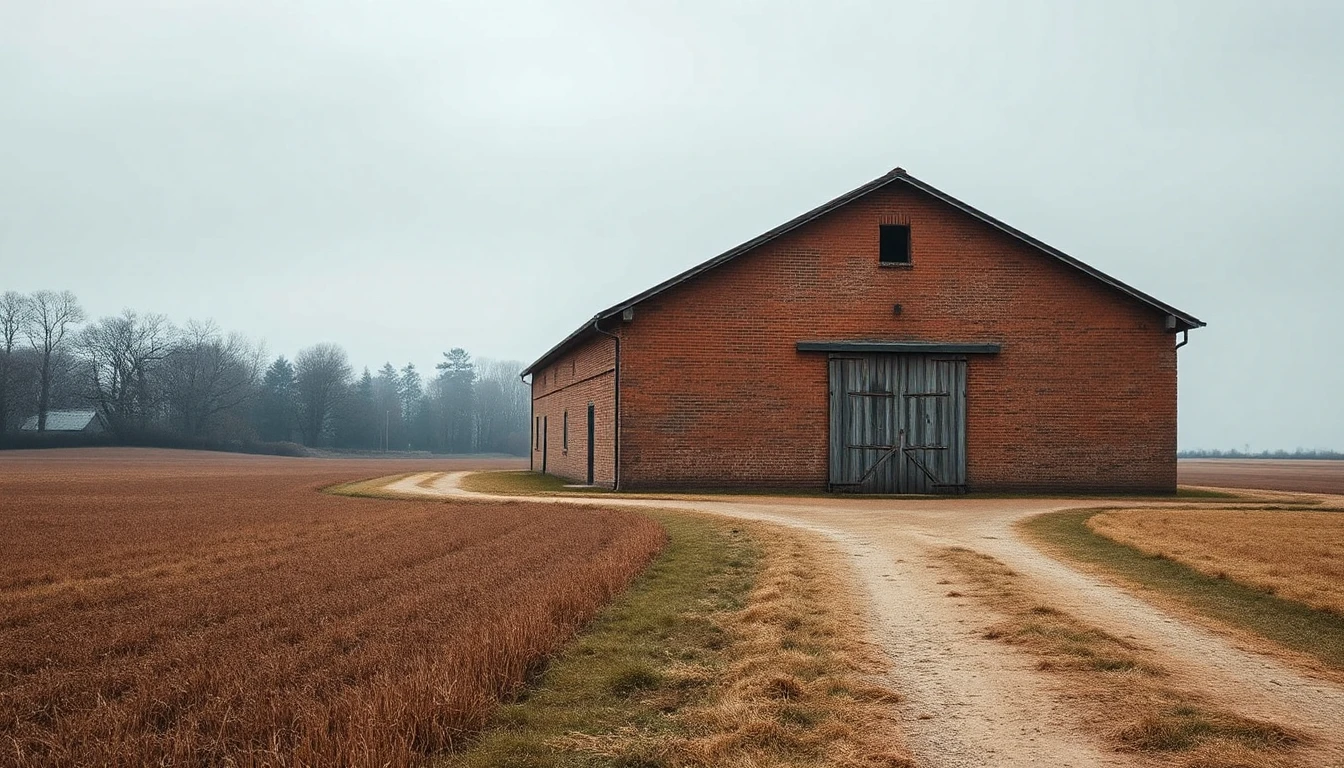
An old building outside the developed area appeals to you for a new use. Perhaps you want to live differently or establish a business that did not previously exist. Before deciding to buy, it should be clear which use is actually permissible and how the new project would need to be assessed. The existing building fabric is not an automatic permission for every future purpose.
Determine the existing use in a verifiable way
Gather the available official and planning documents relating to the building. Separate the documented status from stories about past actual uses. A long-known use and a legally permissible basis are not clarified merely by the same description.
Also note which parts of the building and which areas you will need for the new project. Does this include an extension, an altered access or a different external area usage? An idea described as a purely internal use should not hide such additional requirements.
The outer area has its own assessment framework
§ 35 BauGB distinguishes between projects in the outer area that are described in more detail in paragraph 1 and other projects in paragraph 2. Development and public interests play a role in this. Paragraph 4 contains special regulations for certain existing projects with their own prerequisites. [AUSSEN] This does not result in a blanket free change of use for old courtyards or other buildings.
Have the classification of your specific project clarified expertly with the competent authority. Describing a building as old, idyllic or formerly agricultural does not alone determine which case actually applies. This article does not check any specific privileging and does not confirm any vested rights (Bestandsschutz).
Describe change of use and structural wishes together
First formulate the new commercial or personal use concept. Then show which structural changes would be necessary for it. A room layout that initially seems suitable does not answer access or other legal or technical prerequisites.
Prepare follow-up questions with appropriate planning. Which aspects of the previous approval need to be verified? Which documents are missing for the new idea? What is known about actual supply and accessibility? Mark unknown details, instead of replacing a missing answer with the most attractive design variant.
Example: The building remains but the use changes significantly
An interested party wants to convert an existing building that was previously used differently into a new primary residence suitable for them. At first she thinks that the largely preserved building fabric must greatly simplify the legal assessment.
During the preparation she presents the permissible original use and the intended new purpose separately. She has checked which framework applies specifically to this change and which further prerequisites are open. A cautious desire for renovation is not treated as proof of a permissible new use.
Do not base the purchase on an unresolved shorthand formula
Record any information received with the date, document status and subject matter. If you change the design, ask about the effects on the previous classification. A general positive remark from an early conversation is not an already issued decision for a later different variant.
Preparation can show that a project can be examined further or that essential assumptions do not hold. Both are valuable for the decision. The actual benefit lies in considering building condition, previous legal basis and new use together early on, rather than planning the visible fabric as an already established future building right.