



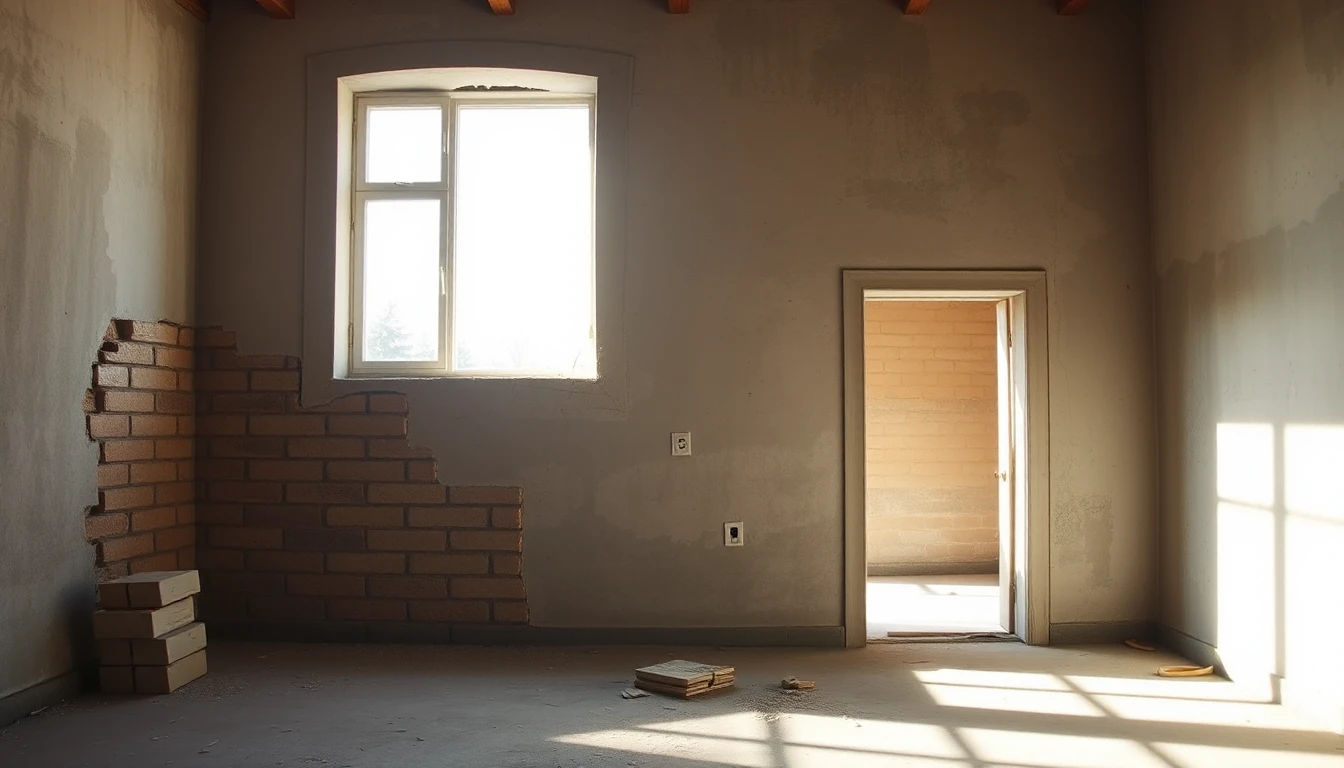
In a construction project a new wish can arise: a different room layout, an additional building element or a changed specification. Before this becomes a shout on the building site, it should be clear which existing performance is to be changed and what the consequences of the change are. Good preparation links wish, planning and agreement without skipping technical or legal responsibilities.
Clearly name the starting point
Have the existing contract and the associated plan status ready. Then describe what should be different and why. A sentence such as “the room a little bigger” leaves open which wall, which dimensions or which adjacent functions are affected. A private sketch can explain the wish, but it is not a construction-ready change plan.
Indicate whether it is a preferred new solution or, from your point of view, a necessary correction. The legal classification is not decided solely by this designation. It initially helps to pose the question to the planners and contractual partners in an understandable way.
Consider change and remuneration together
§ 650b BGB deals with changes to the contract and a right of the client to issue instructions. The provision initially envisages seeking agreement on the change and, if applicable, an increase or decrease in remuneration and contains further requirements. [AENDERUNG] Whether and how this framework is to be applied in the specific contract must be examined separately.
This article is not a guide to unilaterally ordering a disputed change. Likewise, a request for change does not mean that every affected task must immediately be stopped without further clarification. In the case of unclear legal situation or urgent construction progress you need appropriate professional and legal support.
Ask about the effects in full
Ask for a comprehensible presentation of which services are to be added, omitted or adapted. Also check the interfaces affected with the responsible planning. A changed room layout can trigger further planning questions; the article does not decide any static, technical or approvals-related consequence.
Have it explained on which assumptions a received offer is based. Are necessary preparatory works, adjustments by other trades or effects on the timetable already clarified? A number without this service reference is not a sufficiently understood basis for decision.
A small wish with several open consequences
In the fictional example a client wants to move a door. He initially considers the change to be merely a different position in the plan. However, during the technical coordination further unresolved adjacent services become apparent.
He has the desired variant shown on the correct plan version and asks for a comprehensible description of the changes. Before making a binding decision he checks scope, effort and process with the responsible people. The procedure does not end with a spontaneously stated sum, but with a basis that is understandable for all involved.
Combine decision and new working version
Record which variant has actually been agreed and which documents are authoritative for it. A discarded sketch should not remain next to the current plan as an equivalent execution status. The responsible party must know which approved version it should use.
Keep the previous and new basis comprehensible. This later helps to explain why a service was executed or invoiced differently. This documentation does not replace a check of the effectiveness of an agreement. It ensures that wish, technical planning and actual order do not drift apart unnoticed.