



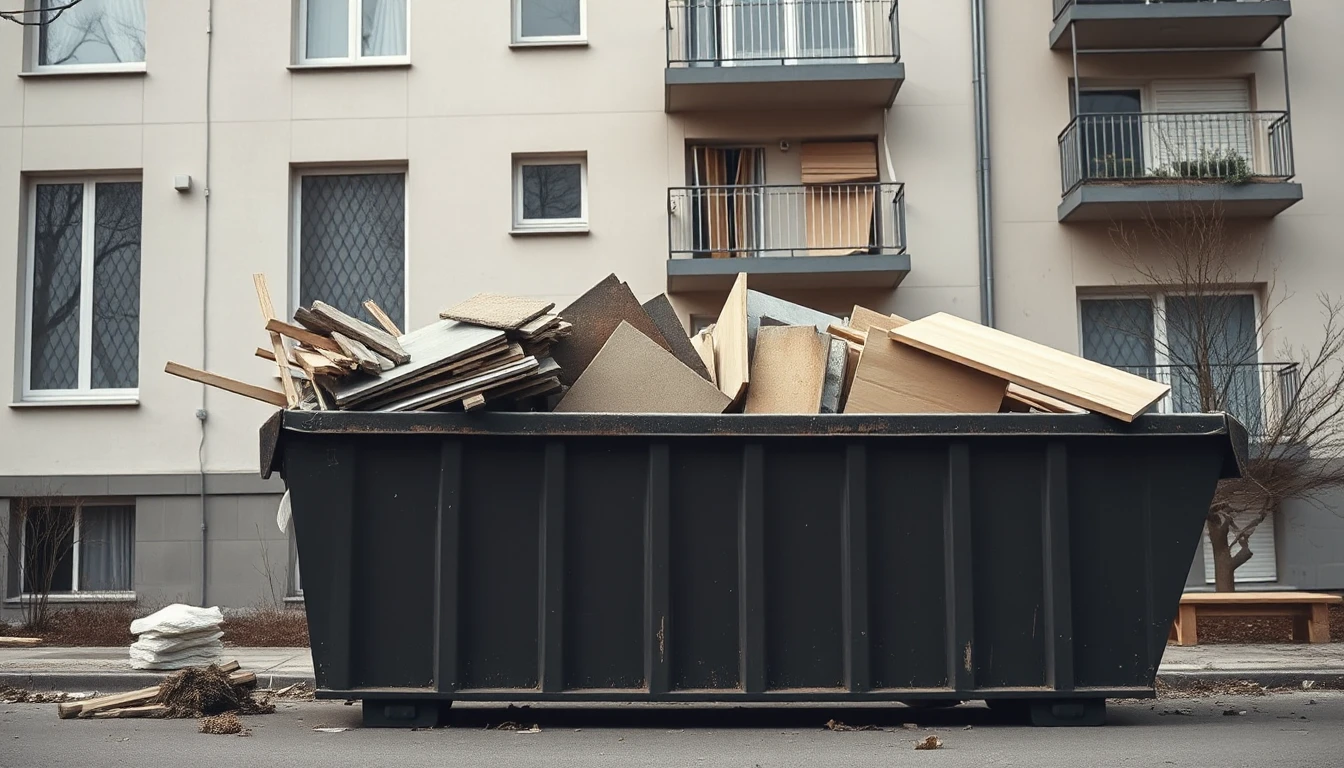
After the Berlin bathroom renovation, the remaining waste is meant to go to the recycling centre. The van is almost booked, but very different items have so far been lumped together under "construction waste". Clarify the acceptance route before it becomes a mixed load that cannot be accepted at the intended destination.
Read the regional acceptance information carefully
The Berliner Stadtreinigung describes an acceptance route for mineral construction waste from private households for its recycling centres. Mentioned among other things are concrete, hardened mortar and plaster residues, stones, bricks, tiles and ceramics. Demolition of stoves, insulation materials, heavily mixed mineral construction waste, mixed construction waste and excavated soil do not belong to this acceptance route according to this information; other disposal companies are referred to for these. [BSR] The regulation does not automatically apply to other cities or commercial deliveries.
Our editorial recommendation: First compile from the information already certainly known which waste groups actually arise. A general order "dispose of everything" leaves too many questions open. Unknown old building materials are not assigned to a familiar category by breaking them or trying them.
Clarify unknowns before further handling
If a material or its possible contamination is unclear, this question belongs to the competent specialist clarification. The article does not contain a hazardous-substance test, sampling or instructions for removing problematic components. An unrecognisable substance is not described as ordinary mineral construction waste to simplify transport.
If a specialised company is commissioned for the work, clarify which disposal belongs to its actual contract and which residual task remains with the household. Keep any existing material and execution information so that follow-up questions do not have to be answered solely on the basis of an incomplete collective description.
Organise the confirmed route
Ask about current acceptance, conditions and costs for the concretely known load. Also clarify whether your status as a private deliverer and the intended quantity fit the chosen route. This page does not provide a fee table; a generally accessible recycling centre address does not yet confirm individual acceptance.
Plan separate drop-off routes if the confirmed classification requires this. Transport, packaging and safe handling are also part of the appropriate coordination. A private container location or the use of public road space is an additional matter and is not authorised here.
Fictitious case: tiles and insulation residues are different tasks
A household wants to dispose of known tile residues together with residues from an insulation measure. After checking the acceptance information, it clarifies the respective routes for the different materials before ordering the collection. An unknown older material layer remains technically unresolved and is not sorted out by the household itself.
The result is an understandable assignment between concrete waste and the confirmed acceptance route. It helps with organising the disposal and does not replace a safe material assessment or the conditions of the chosen disposer.