



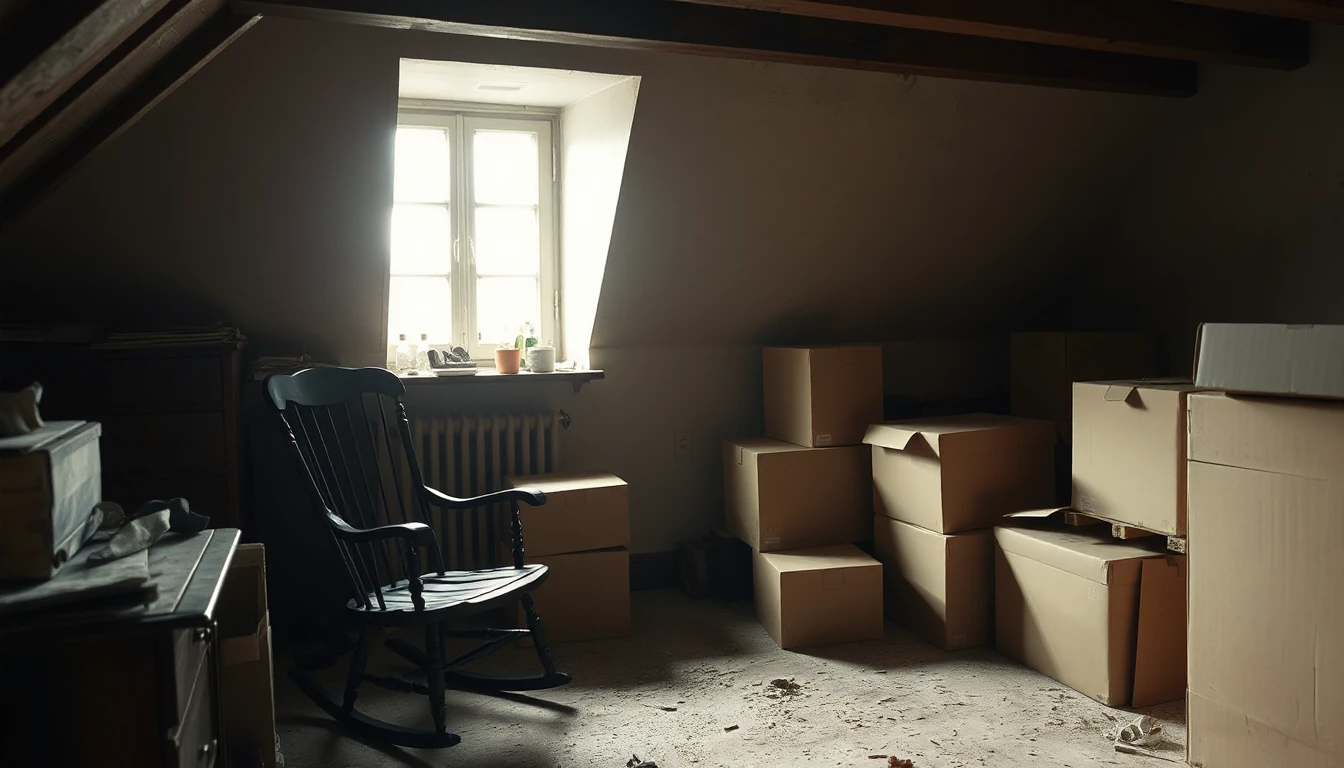
A house is to be sold, but the rooms still contain a whole previous life: everyday items, keepsakes, old folders, fitted fixtures and things that belong to other people. “Everything must go” is not a good brief for this. The following editorial recommendations help to plan a clearance for sale. They do not clarify shares of an inheritance, ownership disputes, disposal regulations or contractual clearance obligations.
First clarify the reason and the actual brief
Is the house to be made tidier for photos, to be made accessible for viewings or to be actually handed over cleared at an agreed date? These are different stages of work. Confusing them may mean things are removed far too early or that the greatest effort is left until just before handover.
Determine which people are authorised to make decisions and who only assists practically. If authorisation is unclear, nothing should be disposed of or sold out of time pressure. Especially when several households, former occupants or an estate (in Austria: a Verlassenschaft) are affected, this question needs appropriate clarification. Organisational assistance alone does not replace demonstrated authority.
Four separate routes instead of one big bin area
Our practical recommendation is an initial sorting by further purpose: personal retention, allocation still to be clarified, possible removal and possibly included in the sale. Property documents receive their own secure working area. This sorting remains provisional until the person entitled has decided.
Do not start with the emotionally most difficult individual items if that will block the whole process. First, clearly assignable everyday items and clear working routes can be organised. Schedule a separate appointment for keepsakes without simultaneous viewings or collections. A realistic timetable respects that clearing is also a personal change.
Do not discard documents along with worn-out furniture
Old folders can contain information that still needs to be clarified for the sale: for example plans, equipment manuals, invoices for work or correspondence relating to the building. Keep such documents organised initially until you have understood their context. A handwritten note or old plan does not thereby become current proof.
Separate personal documents from the factual property records. The person who later views or buys the house does not automatically need the entire private filing of previous occupants. Which documents should actually be passed on is decided according to content, purpose and entitlement. That is different from indiscriminately digitising and sharing all folders.
What should remain with the house?
Fitted items, tools, garden furniture and individual appliances can be treated differently during sale preparation. Make a visible record of what is initially intended for the listing, what is not yet decided and what should be removed before handover. This task list is not yet a binding determination of the object of sale.
Reconcile changes with photos and sale discussions. If an item shown has since been given away, no one should assume anything further about its whereabouts. The final contractual description will be checked appropriately. A verbal remark during clearing is no reliable substitute for that.
Example: A workshop contains other people’s equipment and important folders
In a fictional house the cellar is to be emptied. In the workshop there is a borrowed machine, the owner’s workbench and a box with documents relating to the heating. A blanket clearance order could treat all three items the same.
The owner’s side first clarifies the borrowed machine, decides separately about the workbench and places the property documents in the sales folder for further review. For the clearance appointment the released extent is clearly marked. Areas not decided remain explicitly outside the brief. The example is an organisational aid and not an instruction for the legal classification of components or for the safe disposal of certain materials.
Plan effort, collection and final check together
Note for large items who will collect or remove them and when the area can subsequently be inspected. Access, coordinated appointments and the remaining use of the house must fit together. The early removal of a needed bed can disrupt the ongoing household just as a late clearance can disrupt the subsequent process.
Before completion the responsible person should inspect the agreed areas once more. Are retained items really secured, personal documents removed and proposed items for sale still present? Open issues should be named concretely. That way the clearance ends not only with fewer items, but with a comprehensible state for the further sales process.