



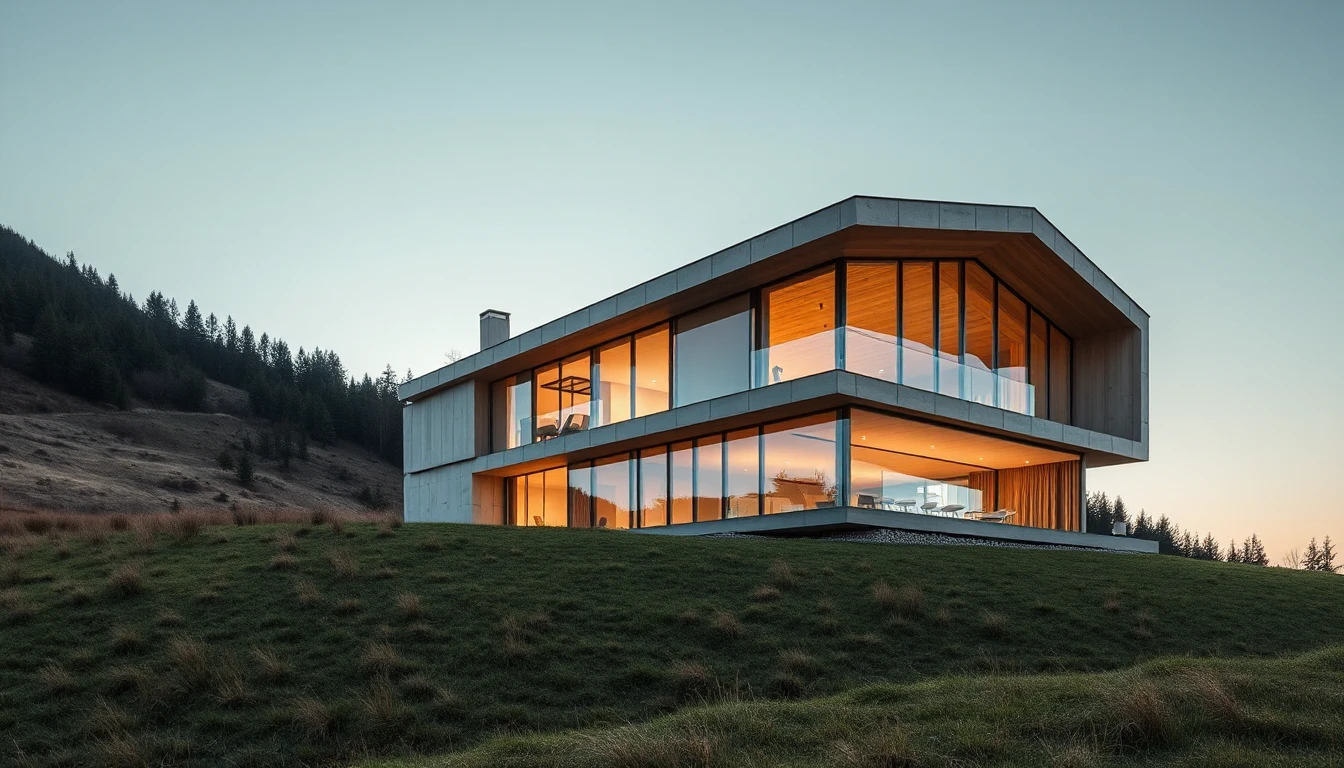
You like the house precisely because of its design. At the same time you want to alter the façade or have part of it executed in a clearly different manner. In conversation you are told that after purchase only the owner decides. Before making your purchase decision you should, in addition to building law and, where applicable, monument protection law, also have any possible connection to copyright examined.
Do not classify the design solely by the sale name
§3 UrhG also counts works of architecture among the works of the visual arts. [BAUKUNST] Whether the specific building is protected by copyright therefore does not follow simply from the word “architect-designed house” in the listing. Nor does the absence of a monument notice prove that there is nothing to examine under copyright law.
Our editorial recommendation: Gather known information about the design, authorship, original execution and later alterations. Do not accept attributions without verification. Specialist advice needs a reliable basis if it is to assess protectability, entitled parties and relevant agreements.
Describe the planned intervention precisely
“Modernise” can mean anything from a barely visible adjustment to an entirely different appearance. Therefore set the current condition and your specific desired change side by side. Which parts will remain, which are to disappear and which are to be newly added?
§21 UrhG contains rules on protection of works and on alterations. The provision also takes into account permissible changes and the moral interests of the author. [WERKSCHUTZ] A blanket statement that any change is forbidden would be no more an adequate examination than the assertion of complete freedom to alter through acquisition of ownership.
Also examine the special legal situation for works of architecture
For buildings the examination must not stop at a general summary of protection of works. §83 para 3 contains special limits to claims for injunctive relief and removal for works of architecture. [BAUSONDERREGEL] These particularities belong in the case-by-case assessment.
The article does not derive from this either a general permission to alter or an exclusion of all conceivable claims. Also have existing contracts and granted rights examined. A seller’s declaration about handover of the building does not automatically answer every copyright question concerning your later planning.
Fictional case: The purchase price assumes a façade change
An interested buyer wants to purchase a conspicuously designed house only if he can substantially alter a certain part of the façade. So far he has discussed only the feasibility under building law. There is no information on design, contracts and copyright classification.
He now has the specific intervention and the existing documents assessed together by experts. The example does not claim that the building is protected, nor that the alteration can be prohibited. It shows why a change that is essential for the purchase decision can be more than just a technical cost question.
Relate the answers to the same plan
Compare legal and technical responses only if they describe the same alteration. A minor intervention assessed by the authorities is not confirmation for a later expanded design. If the intention to buy depends on the alteration, also inform the contract advice about the outstanding need for examination. That way you evaluate the house based on a clarified plan rather than on an unexamined owner’s notion.