



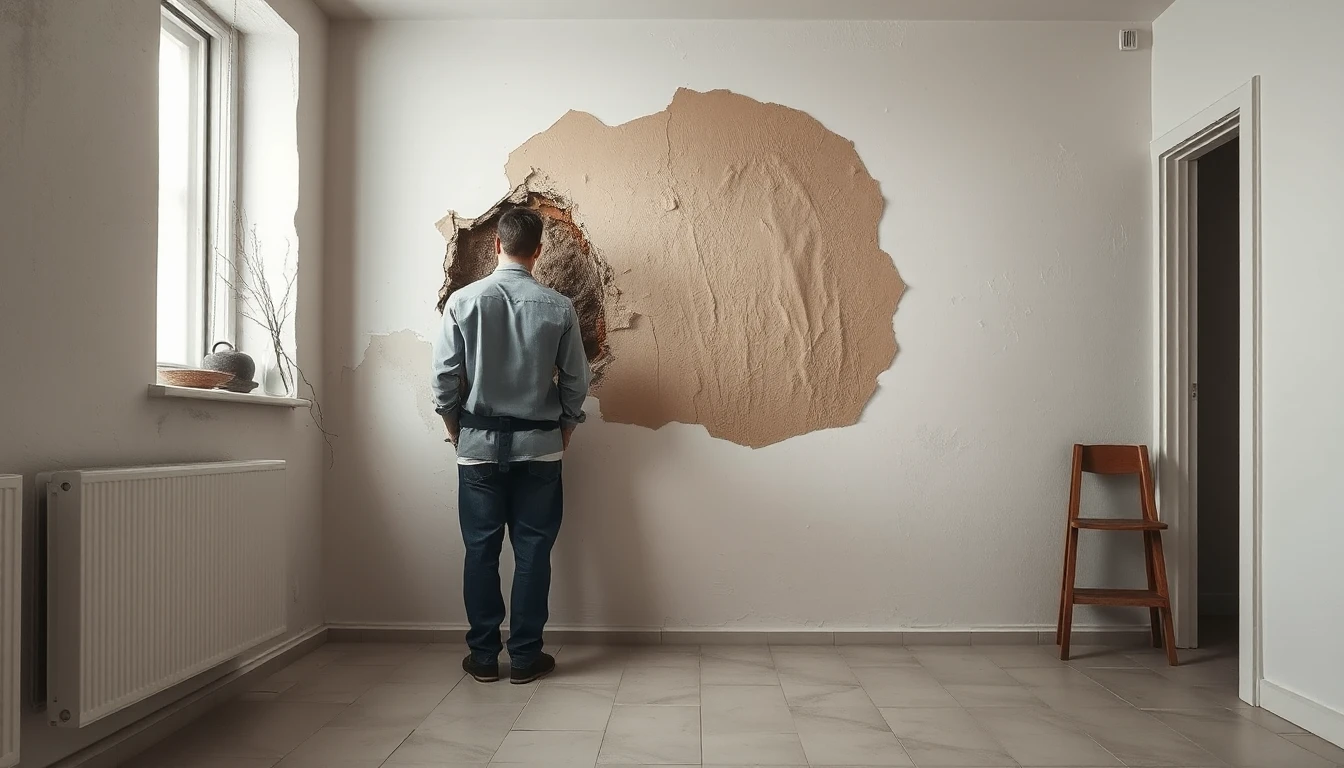
In a fictional rented flat a damaged area of wall is to be repaired. Landlord and tenant disagree about the cause. The statements available answer different questions. Work has already been discussed. The landlord must now have decided whether, before altering the disputed condition, an independent judicial collection of evidence is sensible and permissible.
This article does not give a technical diagnosis and does not advise postponing necessary protective measures for a procedure. In the case legal and technical competence must coordinate the actual time required.
Separate the open question of fact from the question of liability
A helpful starting question here is not merely who is to blame. Instead describe the condition, the place affected, the course of events and the actually unresolved cause. Submit the existing statements in full, including their mandate and their limits.
§ 485 paragraph 2 ZPO permits, before a pending legal dispute and under conditions, a written expert report, among other things on condition, cause or remediation costs. A legal interest is assumed when the finding can avoid a legal dispute. [Z485] This does not imply automatic admission for every wish for an additional investigation.
In the example it is initially unclear whether the specialist reports contradict one another or examine different areas. That will become apparent in the preparation. The desired judicial finding should clarify a decisive uncertainty, not merely confirm a previously preferred explanation.
Describe the threatened change of condition concretely
§ 485 paragraph 1 also mentions evidence collection during or outside proceedings with the consent of the opponent or in the case of feared loss or impaired use of the evidence. [Z485] Which route is appropriate should be examined by the landlord on the basis of the actual procedural status.
He compiles which works are planned when and what condition they would alter in the fictional case. A general soon will be renovated is too indefinite for this purpose. Also disclose which measures have already been carried out. Past interventions are not omitted from the chronology to make the need for examination appear more convincing.
Prepare a suitable mandate for examination
§ 487 requires in the application, among other things, the opposing party, questions of fact, evidence and the substantiation of the circumstances for admissibility and jurisdiction. [Z487] The commissioned legal support therefore needs more than a photo and the demand for a court expert.
The landlord hands over the existing documents and specifies the imminent decision. The support should clarify whether the procedure is suitable, which questions of fact should be asked and what cost and scheduling consequences are to be expected. An expert opinion already ordered by a court is expressly mentioned; this circumstance has its own significance in § 485 paragraph 3. [Z485]
This article does not provide an application form and does not initiate an examination.
Use the later result correctly
§ 493 governs the use of the independent collection of evidence in the later proceedings and contains a limit where the opposing party did not appear or was not summoned in time. [Z493] The procedure is therefore more than private photographic documentation. However, a mere finding does not automatically decide the entire payment or liability question.
In the fictional case a reasoned decision should be reached at the end: judicial collection of evidence, another suitable clarification or directly coordinated further action. It is crucial to bring the open question of fact together with the actual work schedule in good time.