



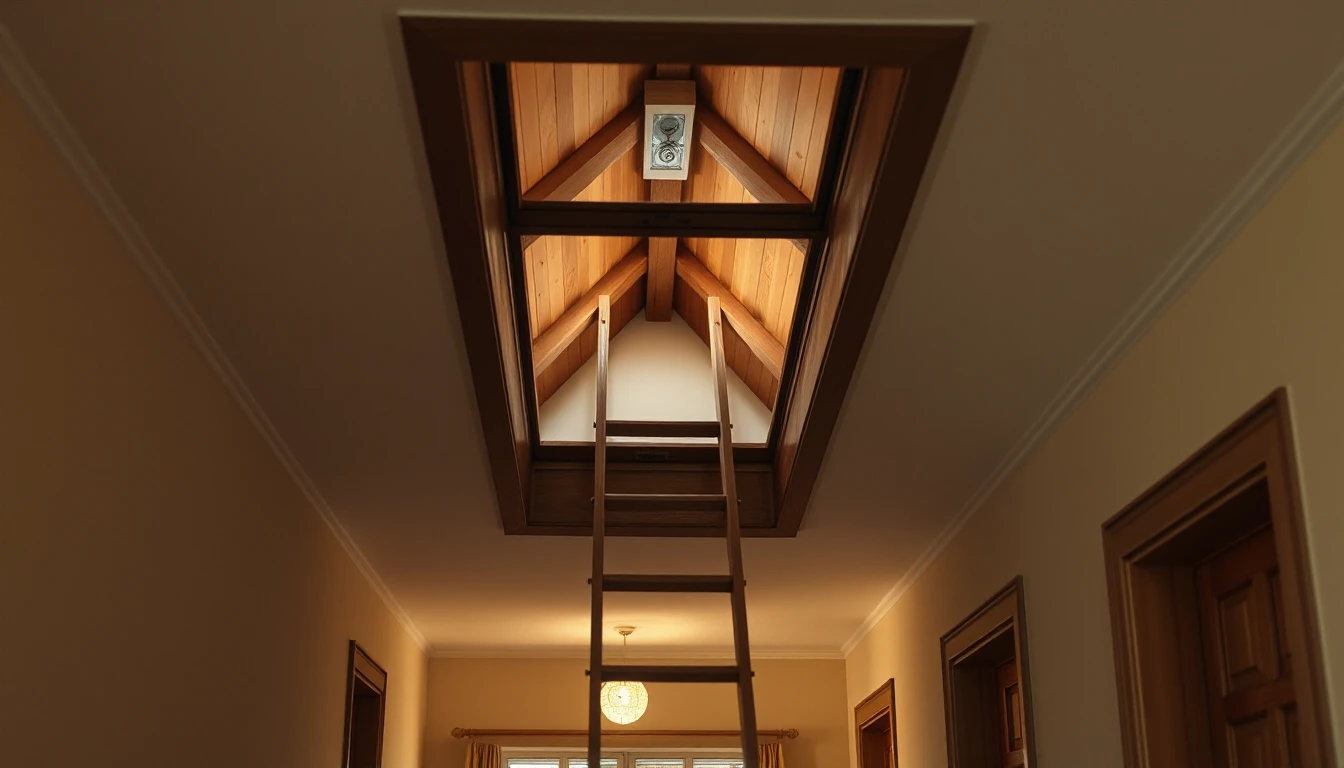
The house makes a good impression, but the attic remained locked during the appointment. Perhaps only the key is missing. For your decision it is still important that this part of the building has not yet been seen. Our editorial recommendation: Treat the access gap as a separate open inspection and do not let it disappear into the overall positive impression.
Specify exactly what was not accessible
Note the area and the reason, insofar as they are actually known to you. “Attic not accessible at the appointment, key not available” is more precise than “upstairs presumably fine”. Avoid both an all-clear and a defect claim when you lack the observational basis.
Ask what information exists about the area and whether another access can be arranged. Photos or reports can help with preparation. Their origin, their date and their actual relevance remain important, however. An older image does not automatically answer every question about the current condition.
Determine the influence on your specific decision
Why is the area relevant to you? Do you want to store items there, is a technical installation affected, or do you want a suspected damage to be clarified? The question determines which person and which information you need. You do not have to be able to check every technical characteristic yourself.
If an expert view is necessary, the commission will be correspondingly defined. An inspection by a suitable specialist should relate to the actual question and the accessible areas. This guide does not declare a room safe, extensible or usable by its name alone.
Example: The desired storage space was only mentioned
A buyer is looking for additional storage space. The listing mentions an attic that he cannot see during the tour. He therefore does not incorporate the area into his furnishing plans without checking. He asks about access, actual allocation and the information required for his intended use.
Even if later access shows a clean room, there may still be further questions about the legal and technical framework of use. Viewing a room and the expert clarification of its possible use are different steps.
An open question needs a next step
Record who should obtain which information and when you need it for your decision. A mere reminder “ask about attic” is easy to overlook. Better is a concrete agreed follow-up appointment or a clearly specified request for documents.
If the inspection cannot be carried out, state the remaining uncertainty to your contractual adviser. Which safeguard, further investigation or decision is then appropriate depends on the specific case. The article does not recommend a universal contractual condition and does not assert a claim to every desired access.
The honest limit of your knowledge is important: Not seen remains not seen. You can still be interested in the house and at the same time explicitly note that an area essential to your decision has not yet been sufficiently assessed.