



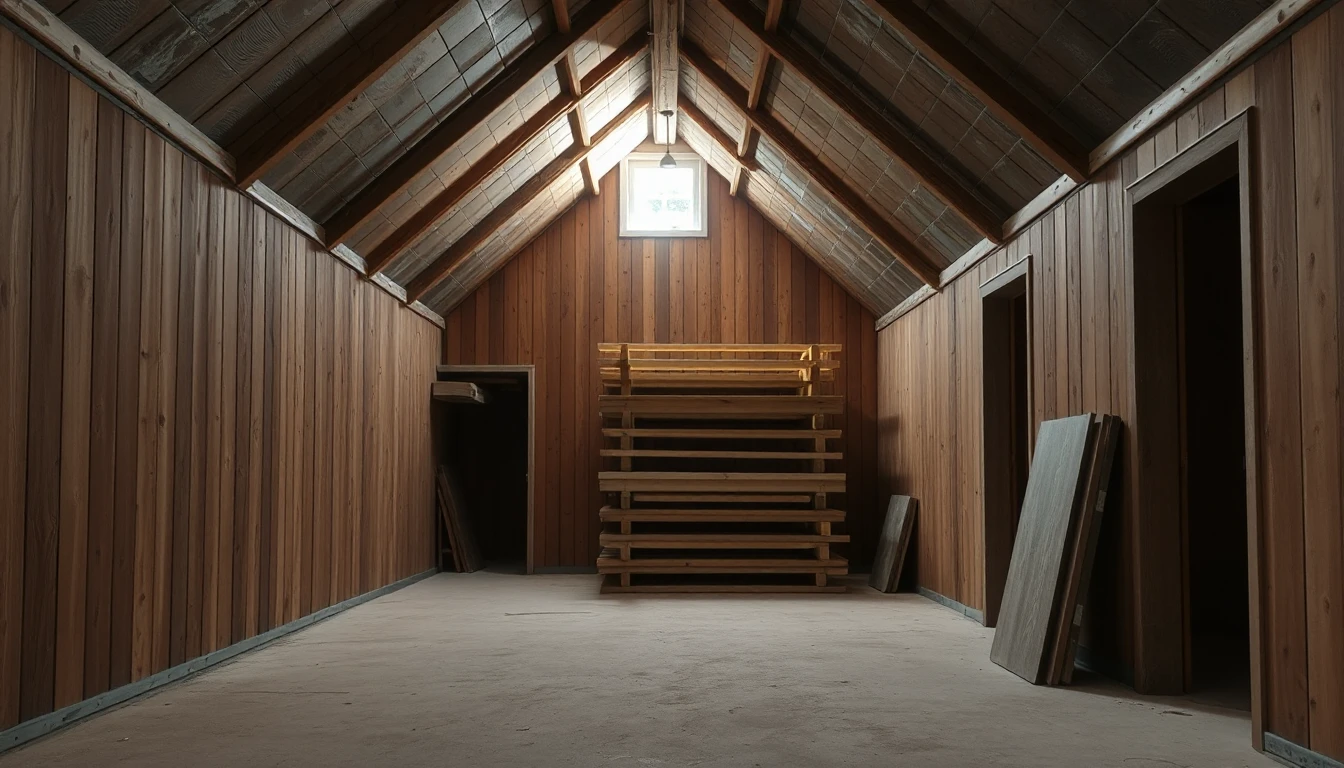
Compare the previous space with the intended future purpose
Start with the actually agreed usage rights: which area belongs to which tenancy? Where does the allocation come from? Are there plans or subsequent changes? Also describe exactly what is intended to arise from each affected area. A general wish for better utilisation is not a sufficient project description for this examination.
§ 573b BGB opens up a special partial termination for ancillary rooms or parts of land not designated for residential use. It must remain restricted to that purpose. The statute names as purposes new residential space for letting and the provision of ancillary rooms or parts of land for new and existing residential space. [B573B] Whether the particular attic space falls under this is for the owner to assess legally on the basis of both plans. The article does not provide a blanket approval for this.
In the example she therefore separates three descriptions: the previous storage compartment, the planned living area and the storage area intended for the future. A forgotten replacement concept is thus already discovered in the preparation. The possibility of a special termination also says nothing about whether the construction project will be approved or technically feasible. These questions remain expressly open.
Develop the date from the construction schedule
The statute permits termination at the latest on the third working day of a calendar month to the end of the month after next. If the start of construction is delayed, the tenant side can demand a corresponding extension. [B573B] This text does not calculate a specific day of receipt or end date.
For preparation the owner therefore needs more than the earliest possible desired date. She records which decisions are missing before the actual start of construction and who will notify of a postponement. In the hypothetical case the planning is still subject to change. Instead of already communicating a fixed clearance day, she first has clarified whether the documents at all support a reliable legal and construction schedule decision.
A joint project meeting is helpful: the legal review learns which uncertainties the construction planning still contains; the planning learns that the previous room usage cannot simply be assumed to have already ended. A reasoned further commission arises from this meeting.
Explicitly address the remaining rent
Under § 573b the tenant side can demand an appropriate rent reduction. Detrimental divergent agreements are ineffective. [B573B] The owner therefore records a separate open position for the future rent. A historical unit price for the compartment is documented, but not declared without examination to be the final reduction amount.
In the end the parties should understand the same process: which previous right is affected, which specific conversion purpose is being pursued, which date is reliable and what remains to be clarified regarding the rent? Only with these answers does the owner have the specific declaration examined. A spatially precise plan and a legally appropriate procedure belong together; neither replaces the other.