



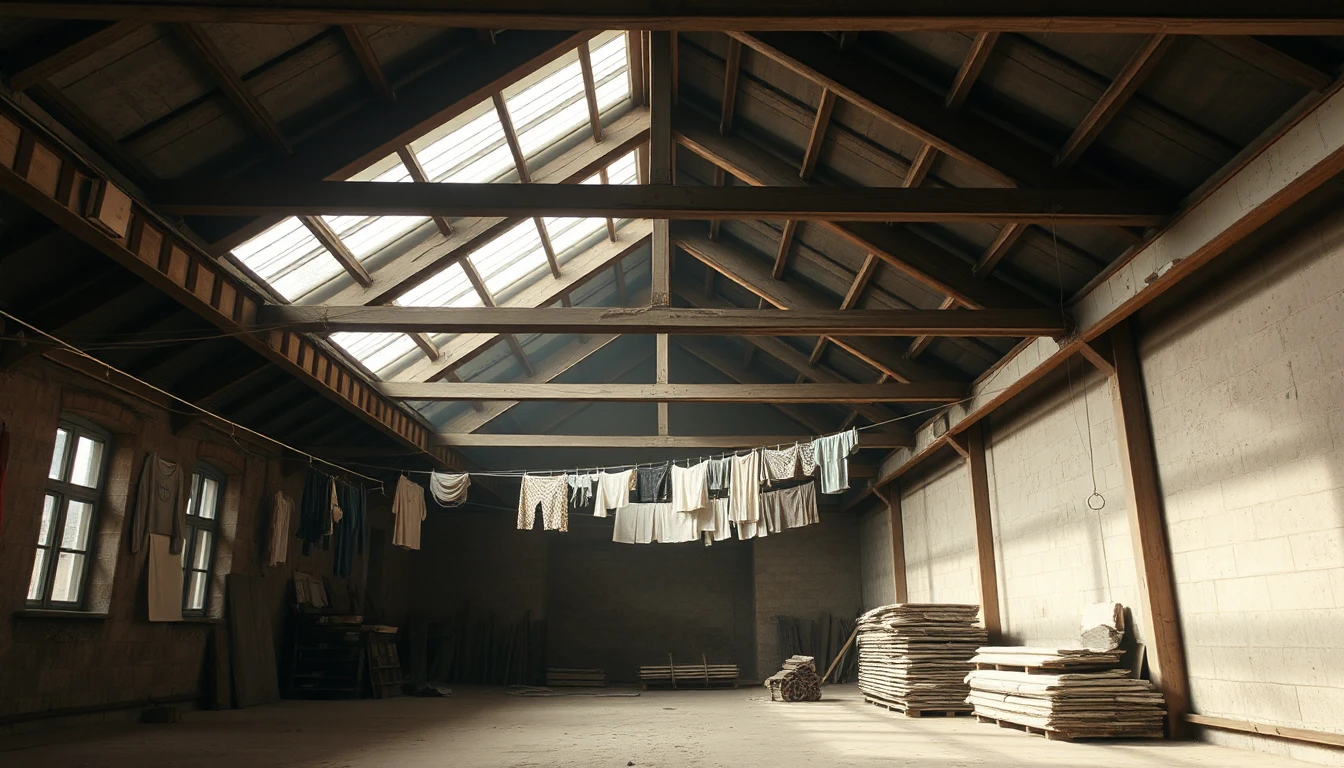
Reader question: Do I have to forfeit every previous communal use without compensation when the attic is converted?
New flats are being created in the attic. The drying room that was used until now is to disappear. The announcement sets out the construction process, but no solution for your previous use. Before you give a blanket consent or refusal, separate three questions: what right exists, how was it exercised and what concrete alternative is being offered?
The building permit alone does not answer the question of use
§18c MRG concerns the subsequent creation of additional rental objects. Paragraph 2 deals with rights to use common parts of the property that may be opposed by construction measures. As examples, the provision names, among other things, attic and cellar rooms, green areas or courtyard areas. [MRG18c]
The article assumes the appropriate MRG framework. It does not decide a specific tenancy agreement nor the building-law admissibility of the conversion. These questions can be relevant alongside one another. [MRG1]
Document the previous use
Our editorial recommendation: Look for the contract, appendices and later agreements relating to the communal area. Supplement with what was actually used: access, space, times and purpose. An occasionally stored box there describes a different matter than a documented shared drying room.
If the legal basis is disputed, state that explicitly. A lengthy recollection of actual use is helpful as a factual statement, but it is not automatically declared here to be a definitively established contractual right. Keep different statements separate.
What alternatives does the law name?
Paragraph 2 provides for tolerance under the conditions named there: equivalent usage rights, another possibility for the equivalent satisfaction of interests, or compensation for the loss of the right taking into account the previous exercise. [MRG18c]
This does not mean that every replacement area is automatically equivalent nor that every change is fundamentally prohibited. The proposed solution must be examined in light of the actual interest in use. The article does not assert an unrestricted right to choose any variant you desire.
- Access – Previous drying room: actual entitlement and reachable times; Proposed solution: Who will have access and from when?
- Extent of use – Previous drying room: available space and previous exercise; Proposed solution: What concrete space is available?
- Purpose – Previous drying room: what was the room actually used for?; Proposed solution: Is this interest credibly fulfilled there?
- Transition – Previous drying room: last possible day of use; Proposed solution: Is there a gap until the replacement?
The table is an editorial comparison aid. It does not define technical minimum values or a legally guaranteed room size.
A hypothetical replacement with an open condition
Ina receives the offer of another room. It is not to be accessible until after the conversion is completed. She therefore asks not only about its location, but about the start, actual extent and the period in between. She also has her previous right of use examined with the existing documents.
Whether the room is equivalent or another solution becomes necessary remains open until that examination. A pretty plan sketch does not by itself remove the time gap. Conversely, a different location alone does not yet prove unsuitability.
Before a final agreement
Record the concretely offered alternative and remaining contradictions. Have any compensation or a declaration of permanent loss of rights explained before committing. This article does not quantify any claim to replacement and does not recommend wilfully obstructing the construction site. It leads to a verifiable comparison of existing rights, actual interest and the offered solution.