



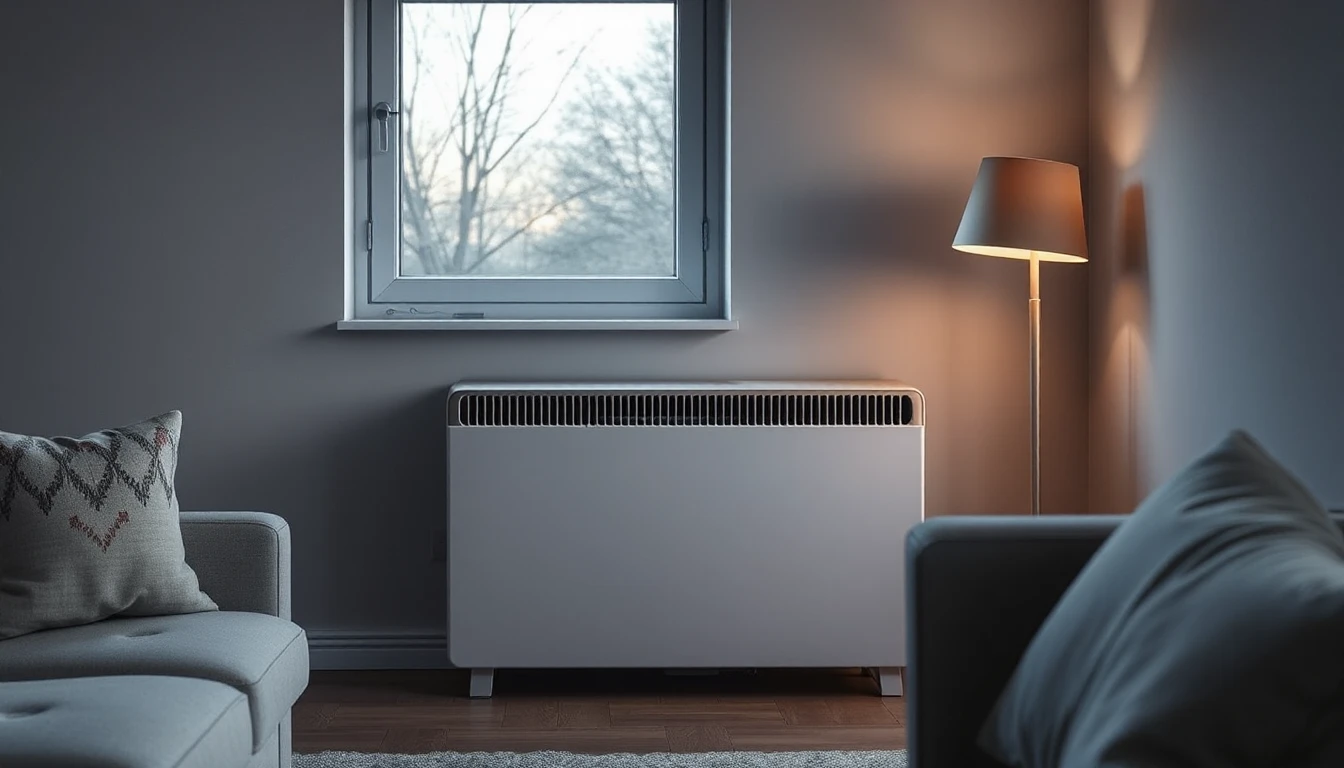
You like an apartment with night storage heating. As a guide you receive an electricity bill and a monthly instalment amount. Before that becomes an allegedly complete heating cost figure, you should clarify what the documents actually capture. The name of the heating technology does not yet say which quantities of electricity are included in which bill.
Two meter registers do not automatically mean two separate consumptions
The Verbraucherzentrale distinguishes joint and separate measurement. With joint measurement one meter records the electricity for heating and household; separate tariff registers distinguish time windows, not the respective purpose of use. With separate measurement the heating system has its own meter. This can also have different tariff registers. [MESSUNG]
For the housing decision this is an important difference. An amount described as “night electricity” does not have to be exclusively heating electricity with joint measurement. Conversely, a bill for separate heating electricity is not at the same time the complete electricity burden of the household. Therefore first write down which measurement concept is in place.
The example of the seemingly favourable monthly figure
In the fictitious offer 140 euros per month are stated as the electricity instalment. The flat was previously used by one person. The prospective tenants would move in as a couple and work from home on several days. It is still open whether the stated instalment covers both consumption areas or only concerns one contract.
The question is initially not whether 140 euros are “normal for this size”. Needed are the associated bill, the period, the recorded registers and the declaration whether there is another electricity bill. An instalment should be treated as an advance payment indication; it should not tacitly become the checked annual cost statement.
Even with complete documents the previous usage behaviour is not yours. Number of people, presence and desired room use can be different. Mark these differences without calculating an arbitrary percentage increase in consumption from them. For a reliable assessment independent energy advice can be sensible.
Separate consumption, tariff and today’s offer
Note the existing kilowatt hours and the associated period separately from the then price. An old invoice amount connects a particular usage with the terms agreed at that time. It is not a current supply offer for you.
The Verbraucherzentrale also points out possible tariff balancing quantities with joint measurement. They change the allocation between tariff registers; they are not simply additional physical electricity consumption. [MESSUNG] Whether and how this is treated in a specific offer must be explained by its terms. This article names neither usual percentages nor currently allegedly available minimum prices.
When making a specific request to a supplier, ask for an offer for the actual address and metering situation. Do not accidentally compare a pure heating electricity tariff with an amount that covers the entire household electricity. Unknown contract components remain open in the comparison.
Technical condition and household budget both need an answer
Handover also includes understandable operating instructions and the question of who assesses the existing condition professionally. Low historical costs do not imply technical harmlessness. Do not open or disassemble old heating appliances yourself during viewing; any required inspection belongs in expert hands.
Your working result can be a clear household calculation: known consumption data with meter reference, a truly suitable current offer and the remaining uncertainties due to different usage. That does not yet create a cost or suitability guarantee. But it prevents an attractive flat from being judged on the basis of an electricity figure that is not fully understood.