



Reader question: How do I record specific consequential damage and restrictions of use after pipework?
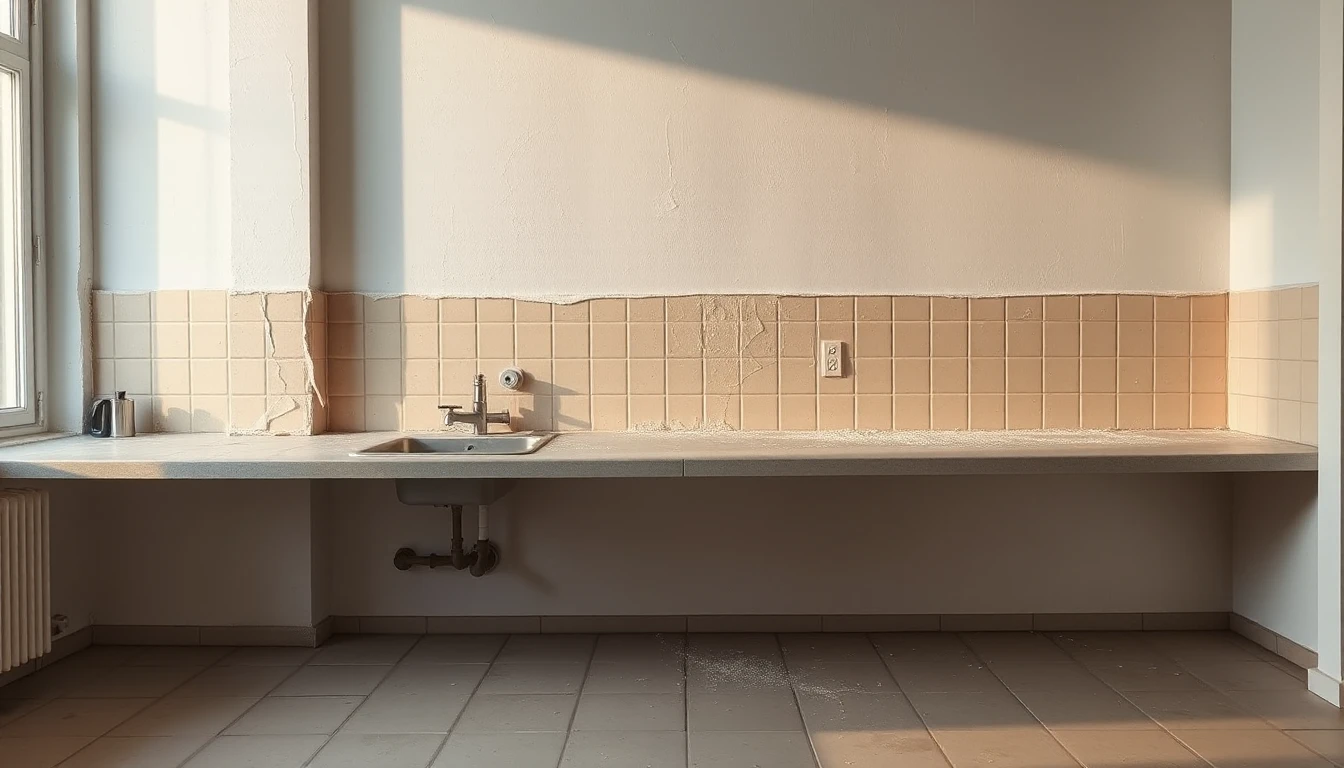
A pipe in the building was renewed. In your flat the wall has been closed again, but the surface is missing, a piece of furniture remained damaged and the room was only usable to a limited extent for a longer period. “The repair is done” does not answer these three points. You need a comprehensible description for each and an appropriate next step.
First clarify the actual remaining condition
Our editorial recommendation: Inspect the affected area after the last work appointment. What was opened, what was restored and what is visibly missing? Record the condition with reference to the room and the date. Compare with any photos taken before work began. If an earlier photo is missing, mark your recollection accordingly.
Separate the unfinished work on the flat from damage to your property. An unpainted pipe opening, a scratched personal wardrobe and a period of restricted room use are different matters. A blanket line “damage €2.000” does not explain any of them.
The special legal starting point
In the appropriate scope of application § 8 MRG regulates under which conditions interventions must be tolerated. Paragraph 3 requires that the works to be permitted under it are carried out as gently as possible. For significant impairments it provides for reasonable compensation. If other tenants carry out the works, the provision names them as those obliged; otherwise the landlord. In the case of at least grossly negligent disregard of the duty of care, suffered distress is also to be taken into account. [MRG8]
That does not automatically confirm a particular sum of money or every self‑asserted burden. First the scope of application, type of work, concrete impairment and parties involved must fit. § 1 distinguishes the tenancy law areas; § 8 does not simply belong to every one of its partial applications. [MRG1]
Describe the consequence for use
Write instead of “uninhabitable” what was actually not possible: for example using the bed in its previous place, reaching the desk or entering the room during certain working hours. State the start, end and any changes. If you moved out, record the accommodation and expenses incurred; that alone does not establish an entitlement to reimbursement.
A technical diagnosis or a health‑related connection belongs with suitably qualified persons. You can describe the perceived impairment precisely without finally determining cause or fault yourself.
A hypothetical completion with an open part
In Paul’s case the run in the hallway is renewed. The installation company declares its pipework contract complete. Paul reports separately to building management: wall surface still open, his own cloakroom cabinet damaged, corridor only usable to a limited extent during the documented days. He asks for an appointment for reinstatement and for clarification of the other items.
He does not sign a general settlement of all claims just because the pipe is working again. No particular claim or amount is assumed for the example. Its benefit lies in the separate handling of the actual consequences.
Proceed with a specific question
Ask in case of dispute which legal route is applicable for reinstatement, compensation and any further damage. Bring contract letters, sequence of appointments, condition evidence and previous promises. A rent reduction is a separate issue to be examined; this article does not calculate a rate and does not replace individual advice on payment. The aim is a documented completion of the works in which remaining consequences remain visible.