



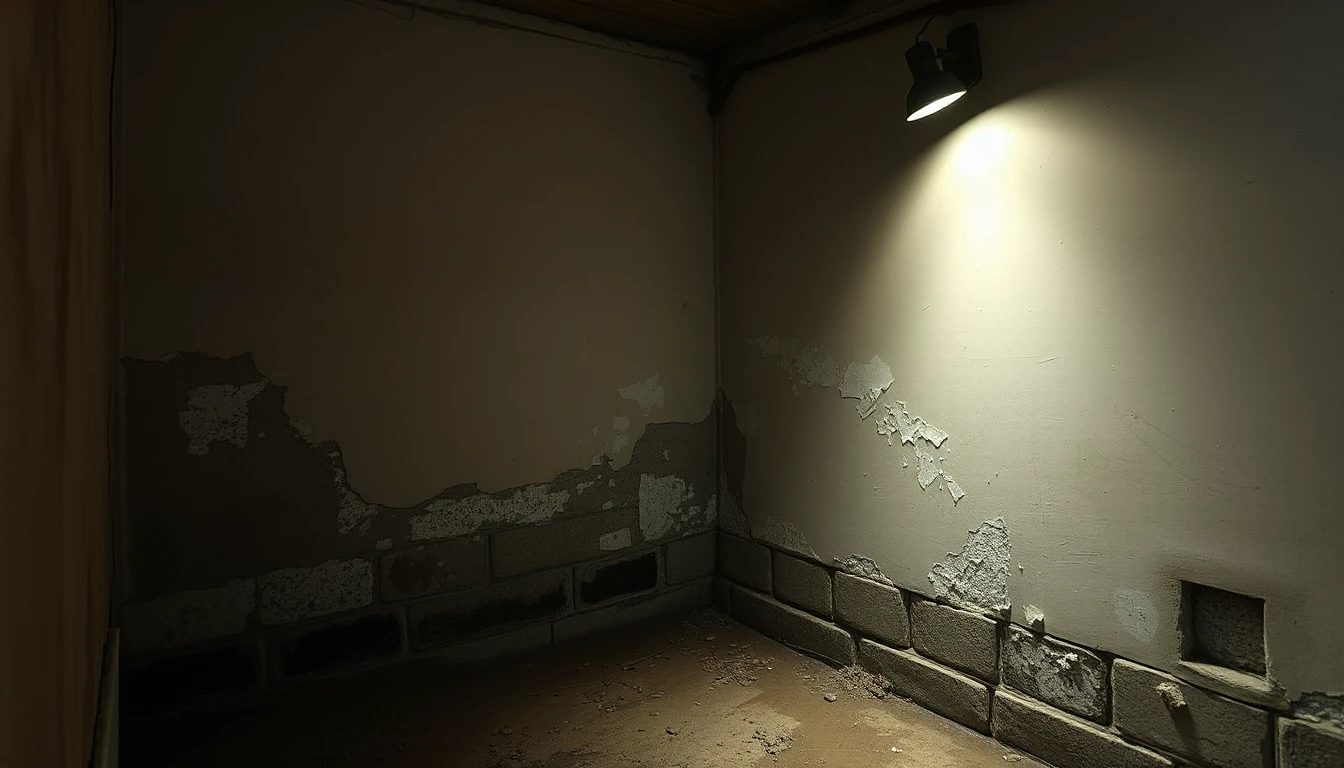
After the purchase you discover a substantial defect. The contract contains a limitation of liability for defects. The seller refers to this and considers the matter closed. You now need an orderly technical clarification; the clause alone does not provide a complete answer for every conceivable constellation.
Keep technical findings and legal explanation separate
First document what was noticed, when and where. Keep visible condition, necessary safety measures and technical findings separate. An expert can explain the scope of the investigation and remaining technical uncertainties. That does not automatically determine the contractual claims.
Keep the purchase contract, annexes, earlier property descriptions and messages relating to the relevant point. the cause discovered today and the seller’s knowledge at the earlier time are different questions. A substantial defect by itself does not prove an intentionally false earlier statement.
Why the clause need not be the end of the examination
§444 BGB limits the seller’s invoking of an exclusion or restriction of defect rights insofar as the defect was fraudulently concealed or a guarantee of quality was given. [AUSSCHLUSS] Whether one of these requirements is met must be assessed on the basis of the concrete case.
This article does not determine fraud or a guarantee. Nor does it promise any entitlement based solely on the time of discovery. Provide your legal adviser with the complete contract and the specific statements, rather than showing only the exclusion line or a single photo.
Hypothetical case: An old tradesman’s receipt becomes relevant
A buyer discovers a defect after moving in and finds, among the handed-over documents, an older tradesman’s receipt relating to the same part of the building. She initially assumes that this already proves every question. But the receipt can cover different extents: inspection, provisional work or completed repair.
She therefore has the technical reference, date and scope of work clarified and assigns it to the existing earlier statements. The legal advice assesses what that actually means for the case. The example does not decide evidential value and does not allege deception by any specific person.
Agree the sensible procedure before comprehensive remediation
Necessary hazard prevention must not be displaced by a private evidence collection. For further measures seek timely advice on what documentation and what further procedure are sensible in the concrete case. An immediate complete redesign can raise different questions than a provisional securing.
This article does not give a general licence for remedial action by the buyer nor instructions for unilaterally reducing the purchase price. Possible claims, prerequisites, declarations and deadlines require individual advice. A politely worded enquiry to the seller does not automatically replace that examination.
Your outcome is a comprehensible factual basis: today’s findings, existing documents, statements at the time and the contractual regulation. This makes it possible to assess specifically which rights should be examined despite the exclusion and which next steps actually fit.