



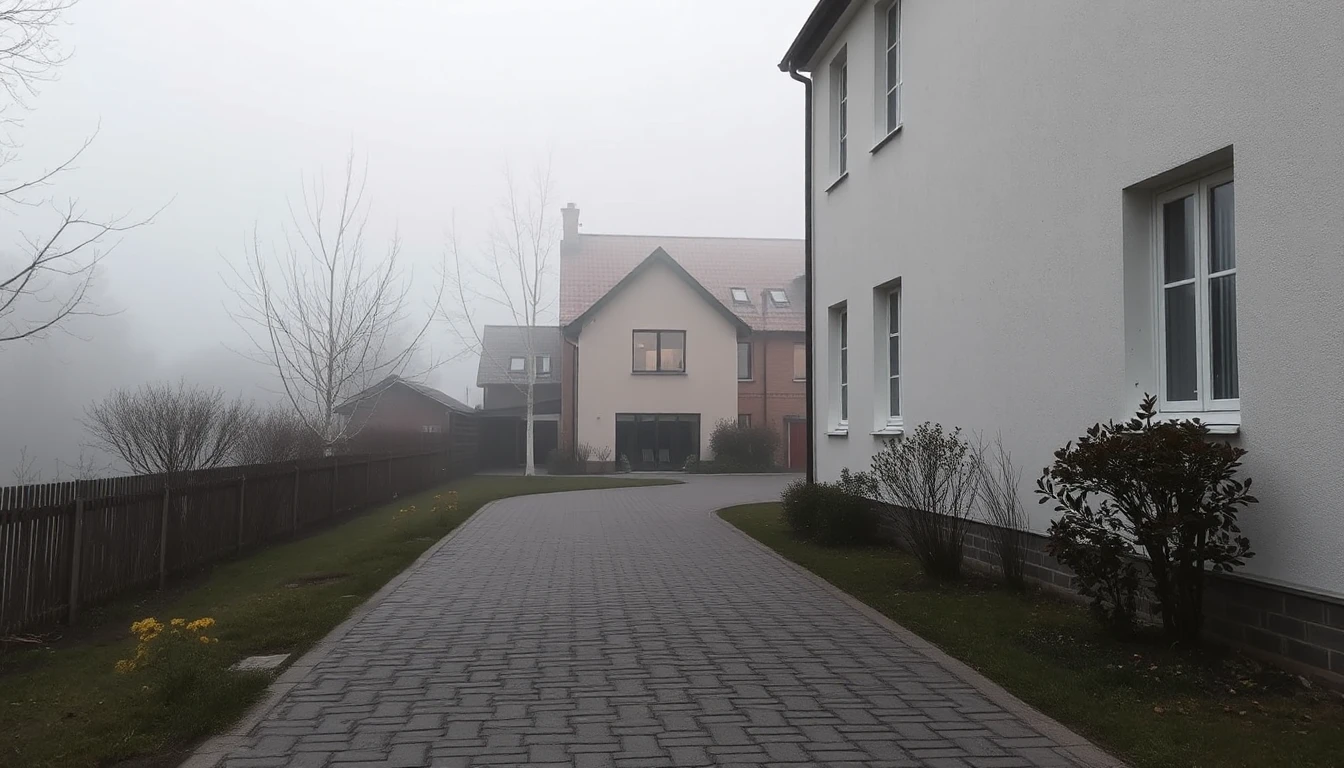
The plot reaches the road via an adjacent area. The documents show a Baulast, and a right of way is also mentioned. For a purchase or a new development you should not conclude from these two words alone that every planned use is secured. Clarify the public-law basis and the specific private-law use as separate questions.
Read the Baulast within its actual scope
§ 85 BauO NRW 2018 describes Baulasten as public-law obligations towards the building supervisory authority. They become effective upon entry in the Baulastenverzeichnis and also operate against successors in title; the rights of third parties remain unaffected. The provision also regulates inspection where a legitimate interest is demonstrated. [BAULAST]
This article therefore deals with the North Rhine-Westphalian framework. It does not assess the validity of a specific declaration nor the complete securing of a particular property. Which usage rights and obligations exist in any individual case must be clarified on the basis of the actual documents.
Create two document packages
For the public-law question collect the relevant extract from the register, the corresponding declaration and identifiable attachments, insofar as they are accessible within the legitimate scope. A path drawn in without explanation of its reference is not yet a complete working basis.
In addition prepare the private-law question: which land register documents, agreements or other declarations are to underpin the use? Ask the legal adviser to explain the concrete scope of their advice and its connection to your project. The public-law classification should not be used unexamined as a complete answer to this second question.
The planned use is part of it
Describe how you actually intend to use the path in future. Is it about the existing residential operation, an additional unit, deliveries or some other procedure? An old everyday example does not automatically explain what extent is legally intended today.
The technical planning and the legal advice need the same project description. Otherwise one body may speak about the existing situation while the other already assesses an extension. Explicitly mark which use is confirmed and which is merely intended.
An example with an important open question
In the fictional purchase interest there is a driveable access. The interested parties wish to use an additional building part later. They are shown a copy of a Baulast. Instead of deriving the entire new usability from that alone, they ask for the complete documentary reference and a separate declaration of the private-law basis for use.
Subsequently it is assessed whether further clarifications are necessary for the specific project. Maintaining your own overview keeps the answers separate. A confirmed register entry is not equated with a blanket private consent to use; conversely, a private declaration does not replace the examination of the public-law question.
What should be comprehensible in the end
Record confirmed bases, their scope and points that remain open. In a purchase a materially unresolved access belongs in the professionally supported contractual and planning decision. This contribution does not formulate an individual contractual clause and does not promise any right of way by necessity.
The result is a concrete document and question structure. It helps the responsible parties to examine the actual accessibility of your plot within the appropriate legal framework, instead of inventing comprehensive certainty from a collective description.