



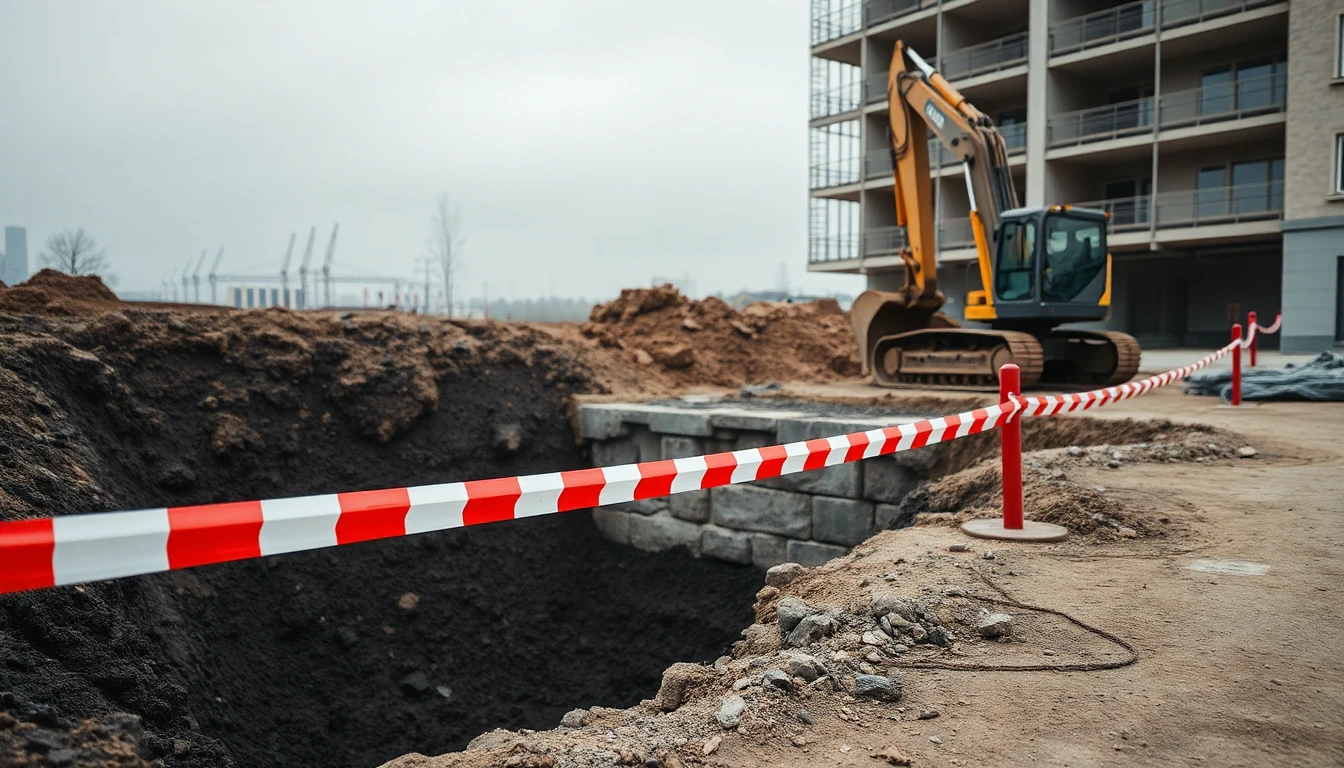
When excavating a foundation pit an unusual structure with objects becomes visible. The construction process is tight, and those involved want to know whether they can quickly check themselves and then continue working. In the case of a possible archaeological find, precisely this spontaneous alteration of the findspot is the wrong starting point for a reliable clarification.
The report should enable professional classification
§ 8 Denkmalschutzgesetz covers objects that were concealed beneath the surface of the ground or water and that are of historical, artistic or other cultural significance. Such archaeological accidental finds must be reported without delay to the Bundesdenkmalamt. The provision also names certain substitute reporting offices. The Bundesdenkmalamt provides access to the find report on its service page. [FUND] [BDA]
For one’s own preparation it is crucial to communicate the observed facts clearly. Where is the spot, when did it become visible and who can explain the event? Secure existing information without reshaping the findspot for a better photograph. If classification is uncertain, the observation should be clarified with the competent authority rather than deciding the historical value yourself.
The reporting rule also distinguishes the roles involved: as a general rule the person who finds the object reports it; if an assistant finds an object in the described scope of activities, the report is made by the responsible supervisor or contracting person. For persons who regularly work below the surface with assistants § 8 contains a demonstrable duty to instruct. [FUND] In the construction process it should therefore be clear who passes on an observation without delay and who actually conducts the subsequent contact.
The timeline does not start with a private discussion
Under § 9 the preservation of the findspot and objects is in the public interest from the moment of discovery until the end of the fifth working day after receipt of the report by the Bundesdenkmalamt. The findspot must be left unchanged. If objects could be lost at the spot, the law provides for their secured custody by the finder. [ORT]
This means that an internally sent message is not automatically the same time as receipt by the office. Record the actual reporting route and the associated responses. The statutory safeguarding is not to be reinterpreted as an unauthorised excavation or a private collection.
If the Bundesdenkmalamt declares the significance at least probable within these five working days, § 9 provides for a further eight weeks of public preservation interest. [ORT] The article therefore does not calculate a personal clearance after a blanket five‑day calendar.
The construction plan now needs a clarified interim status
In the hypothetical example the find area is not further altered. The site management records the observation, the report and the official responses and agrees the further procedure. Whether other work is possible and how the process changes is clarified specifically. The article does not impose a complete work stoppage for every project nor an automatic resumption of construction after the deadline expires.
The essential document is a comprehensible record of the current status with the exact location, participants, actual report and outstanding instructions. Ownership of the find, consequential costs and further investigations are not decided here. For planned construction projects with already known archaeological questions the Bundesdenkmalamt recommends early contact. [BDA] That is a different starting point from the accidental find during works discussed here.