



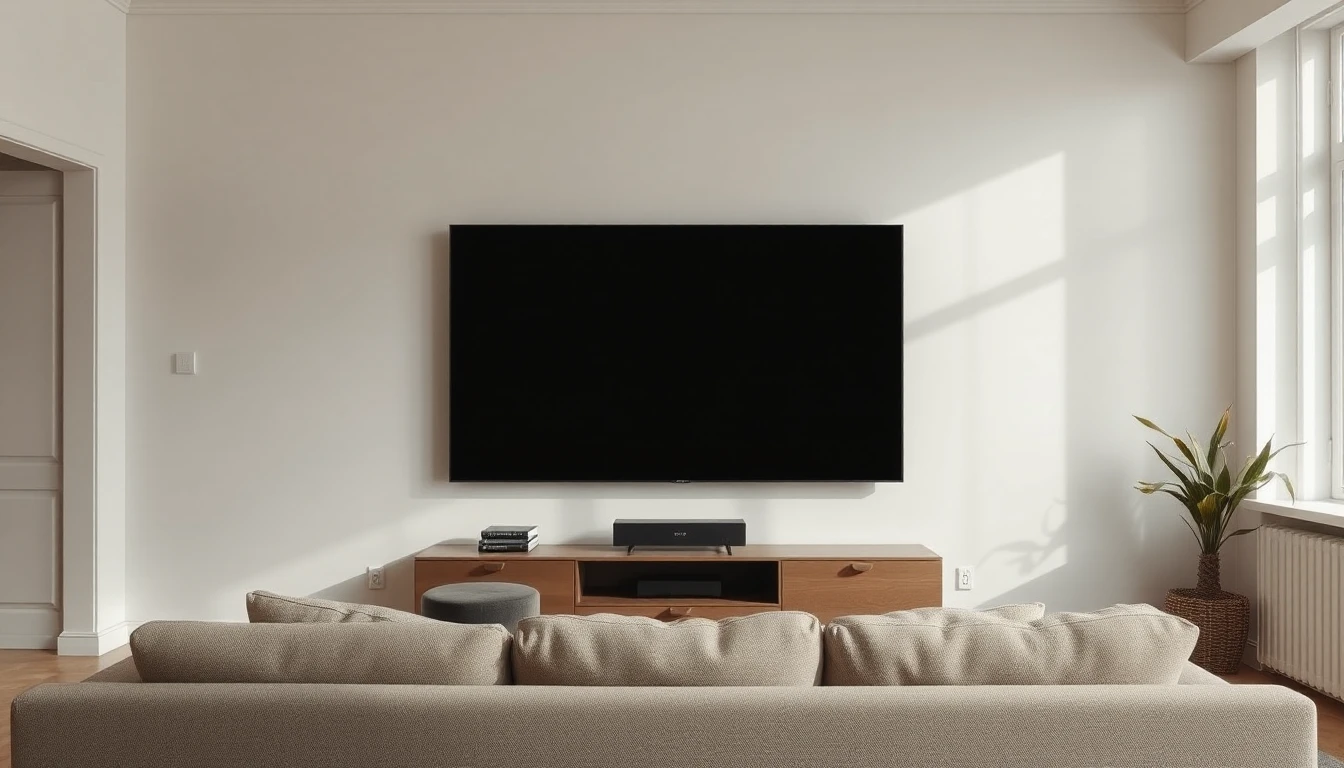
In the newly furnished living room there is space for a considerably larger television. The desired model appears to have a favourable energy efficiency class. Before you deduce a lower electricity demand from this, separate two decisions: which screen size you need and what consumption the specific device shows for the intended use?
Size remains its own factor
The Umweltbundesamt points out that electricity demand increases with larger screen area and that there are consumption differences within the same sizes. In addition, the labelling contains an extra indication for HDR operation. [TV] From the efficiency class alone, therefore, no personal consumption or cost forecast can be derived.
Our editorial recommendation: decide which sizes at all are suitable for the intended use before comparing models. A wall space does not by itself justify the largest possible diagonal. Consider the usual seating position and the actual content; the article does not prescribe a medically justified viewing distance.
Consciously separate two comparisons
First compare the specifically indicated consumptions of the sizes of interest under appropriate, similar operating conditions. Then evaluate the models within the chosen size. This makes it clear whether you are deciding on additional screen area or on differences between similarly sized devices.
Assign the information for standard and HDR operation correctly. Do not use one operating indication for one device and the other for another device in order to create an apparently clear ranking. If meaning or reference is unclear, have them explained using the exact model information. A particularly impressive demo mode in the shop is not a reliable guide to your later personal electricity demand.
Do not infer usage from technical features
Consider how often and for what the device will probably be used. Leave open what you do not yet know. The possibility to use a particular mode does not mean it will be used constantly in the household. Conversely, a preferred mode must not simply disappear from the comparison because another indication looks more favourable.
Also assess which existing devices you actually intend to continue using or replace. This decision should not come about randomly through an accessory package. Connection and placement conditions are checked on the specific product; the article does not confirm wall mounting.
Hypothetical case: the larger area is a conscious wish
A couple wants to switch from their previous device to a significantly larger diagonal. They compare the specific consumption indications and recognise the desire for additional size as a separate decision. They then search among the suitably large devices. The chosen screen area is not afterwards justified solely by an efficiency letter.
Record for the purchase which size, usage and model variant were compared. A larger solution may still be desired. However, its electricity demand should clearly be part of this decision, rather than disappearing behind an incompletely read label.