



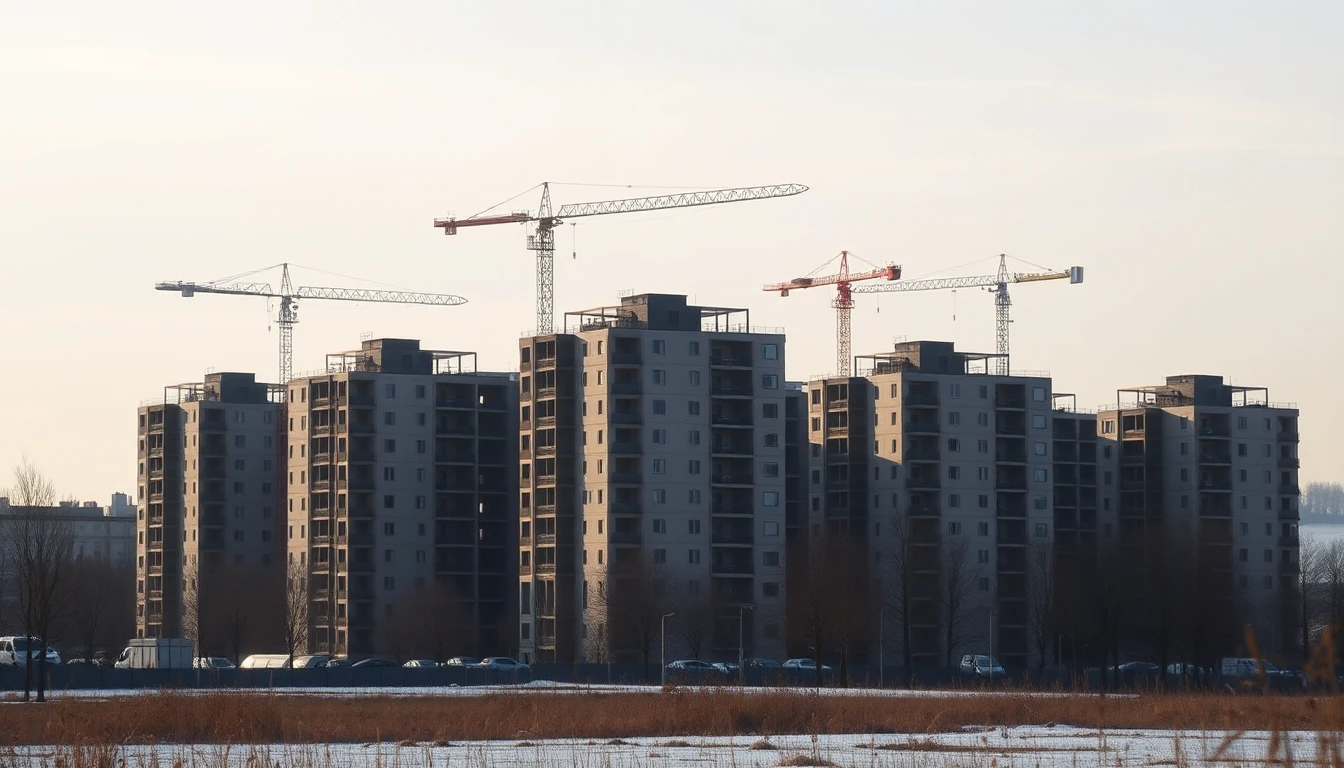
The cover of a bond shows a large real estate project. As an investor you still need to find out which specific right you receive for your payment. The project image, the company behind the financing and your own claim are three different things.
From the name to the contracting party
In the case of a bearer bond, § 793 BGB describes a claim for performance against the issuer in accordance with its promise. [ANLEIHE] The statute does not convert such a claim into ownership of the pictured apartment. Which additional securities have been agreed can only be assessed from the specific documents.
Therefore write the full name of the issuer next to the name of the property owner and that of the project company. If they differ, map the connection: Who receives your money? Who lends it on? From whom is the repayment to the issuer supposed to come? What obligation exists towards you specifically? Mere affiliation to the same group does not answer these questions.
“Secured” needs verifiable content
If a security is claimed, ask for the exact contractual provision and a comprehensible explanation. For example, the asset encumbered, beneficiaries, priority rights, conditions of realisation and the person who is to exercise rights for investors should be clarified. These points are matters for legal examination, not a statement that every product possesses all the arrangements mentioned.
A real estate value from a presentation is not sufficient for this. Even the house mentioned in the example valued at two million euros tells you nothing reliable about the investor’s own cashflow without its debts, the actual valuation standard and the investor’s legal position.
Read payment promises and repayment ability separately
A hypothetical bond of €10.000 promises €600 annually and repayment after five years. If all payments are made exactly, five times €600 and finally €10.000 will be paid: together €13.000 before costs and taxes not considered here. The calculation only demonstrates the content of the assumption. It does not demonstrate that the obligors can pay.
Therefore also ask from which verifiable process the final payment is meant to come: ongoing surplus, sale or new financing. A plan and an already secured source of payment are labelled differently.
Before making a decision, a knowledgeable third party should be able, on the basis of the documents, to explain against whom you have which claim and what the main default dependencies are. If the only answer is “There are properties behind it”, the concrete investor position remains unresolved.