



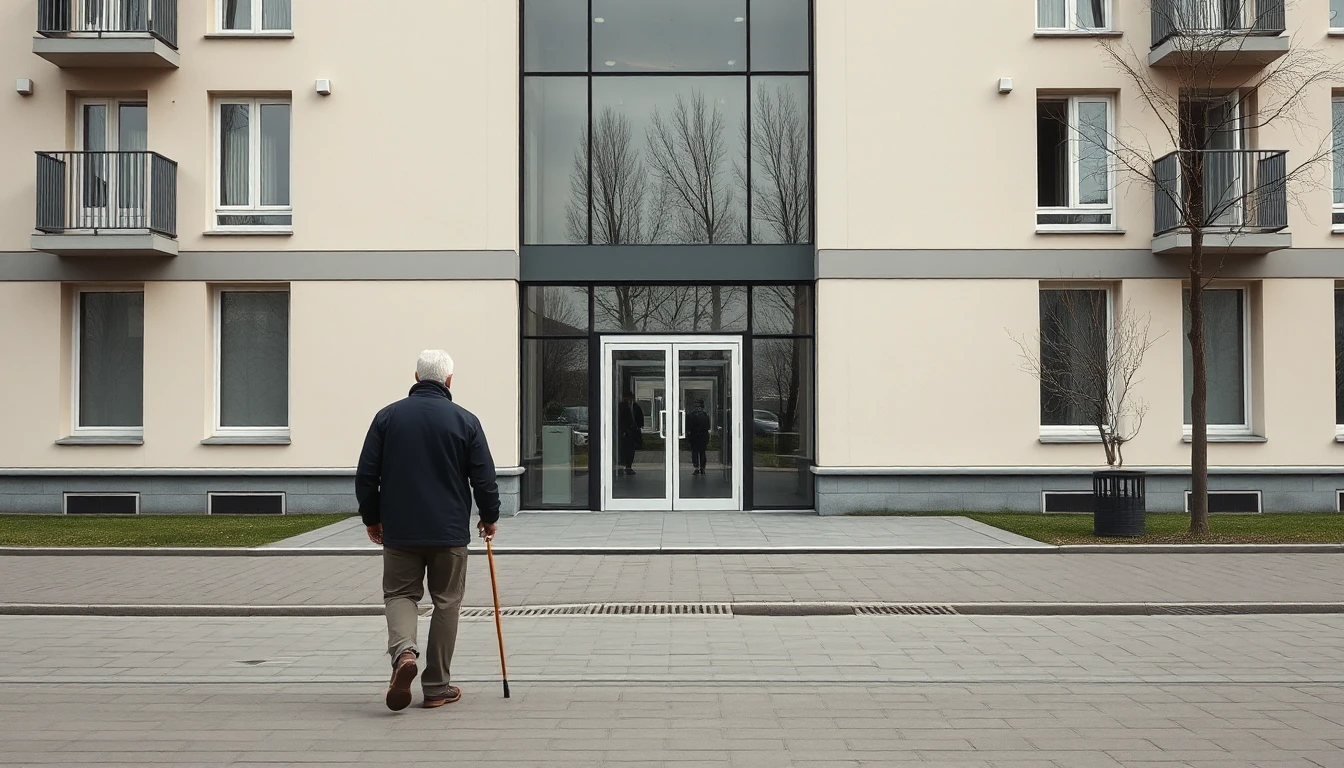
An interested person would like to use the viewing appointment and states a need for support. The first practical question is which procedure is required. An extensive collection of personal or medical background does not automatically help with this. The following editorial recommendations concern the organisation of appointments, not a building-law classification or legal assessment of a housing allocation.
Ask about function, not diagnosis
Clarify which part of the appointment should be prepared: access, timeframe, communication or accompaniment. A question such as “What information does your accompanying person need in advance?” is something different from asking for a medical history to be sent. The European Data Protection Board describes health information as particularly sensitive data and explains necessary, purpose-related processing. [EDPB]
Ask only for what you can reasonably and legitimately use for the specific organisation. If a detail is not needed, it should not be included in the inquiry process as a precaution. A practical follow-up question is also not an independent determination of whether the property is suitable for all needs.
Describe the route, rather than promising suitability
Collect the information actually known about access and the planned appointment. If you cannot answer a point reliably, say so. “It will be fine” does not provide a usable basis for travelling to the appointment. A factual description allows the person concerned to judge for themselves what further clarification they need.
An accompanying person can be involved in arranging the appointment if this is desired and appropriately agreed. This does not automatically entitle them to make declarations on behalf of the interested person or to receive additional private information.
Example: An appointment needs more time at the entrance
An interested woman states that she does not want to go through the access under time pressure. The carer discusses with her which timeframe is sensible and which known access points can be described in advance. She does not demand a diagnosis for this. An as-yet unknown peculiarity of the route is clarified before final confirmation.
The appointment is thus better prepared. However, this does not amount to a blanket promise of structural accessibility nor the claim that every subsequent use has already been assessed.
Keep questions and feedback in one process
Note the agreed organisational support briefly. Additional people involved receive only the information required for their task. Private background details are not distributed as a general note in a large appointment list.
If a requirement cannot be met, describe the specific limitation and discuss a possible alternative way of providing information. Do not invent a solution that cannot be implemented on site. Further assessment of rights, structural features or necessary adaptations remains a separate task.
After the visit, a factual feedback is helpful: Which information could be conveyed, which questions remain open? The approach places the concrete participation in the appointment at the centre. It treats support needs neither as a mere label nor as an occasion to collect more personal data than is necessary for that appointment.