



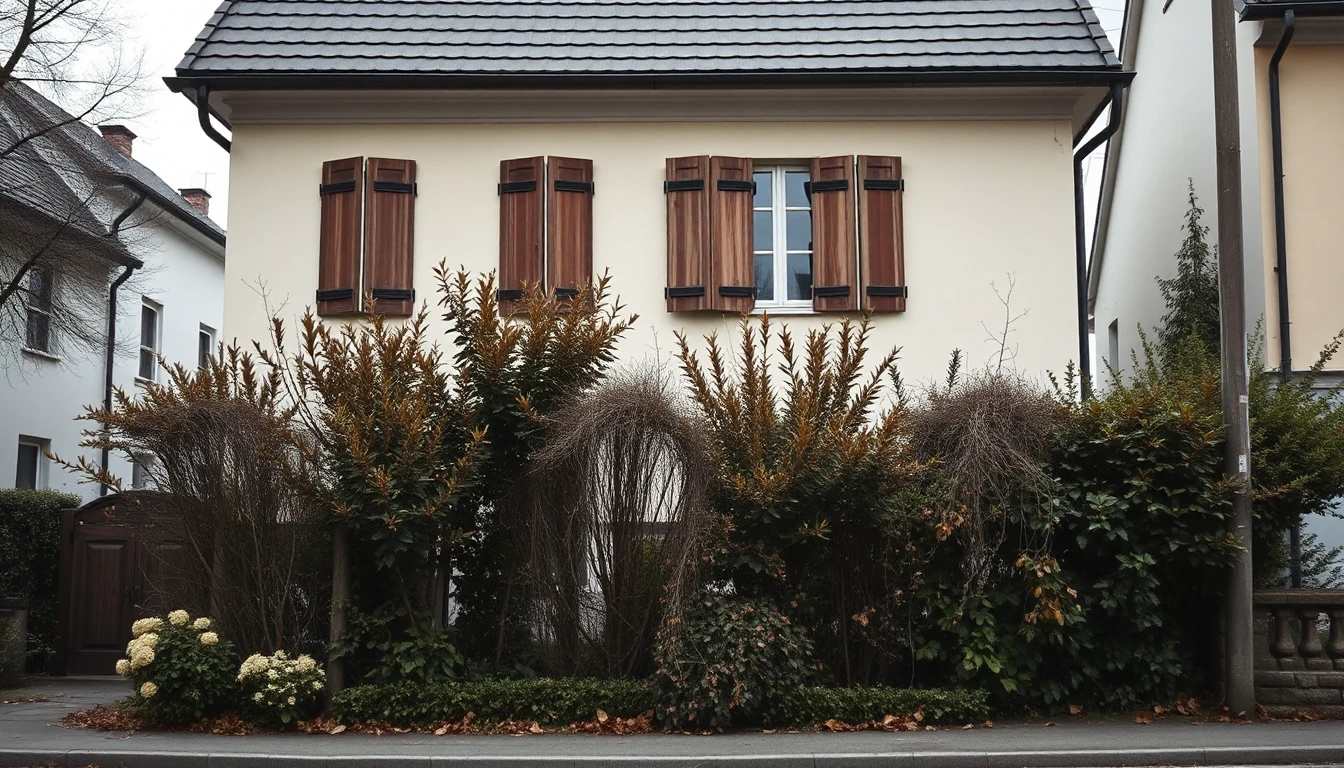
A judicial auction often provides documents about the property. For your decision it is nevertheless important which areas you actually saw on site and which information comes only from a report. Organise this inspection in good time, rather than equating an auction date with an ordinary open viewing.
Clearly assign the specific proceeding
Our editorial recommendation: Start with the correct court, the case reference and the clearly identified property. Check which object the available documents refer to. For shares, multiple units or outbuildings the offered extent should be explained professionally. A familiar-sounding address is not sufficient for this assignment.
Note for each report the date, the area inspected and recognisable boundaries. An older appraisal can be an important basis, but it describes the state of knowledge at the time. Do not interpret a missing entry as confirmation that the point in question is unproblematic.
Organise the viewing via the prescribed route
§ 176 EO governs the inspection by interested bidders between publication and the auction. The provision provides for the court to set specific times on application and to record the inspection time in the edict file. [EO] Ask the competent court about the concrete procedure and the confirmed appointment if the situation is not clear to you.
Do not derive from this rule a right to enter occupied rooms independently or to open doors yourself. Access and procedure belong in the procedure provided for this purpose. For preparation it is decisive whether the inspection you need was actually organised, not whether a general entitlement is mentioned somewhere.
Consciously evaluate a limited tour
Take with you the questions important for your decision. Record what was accessible, what you could observe yourself and which question can only be answered by further documents or specialists. Visible cracks or discolouration are observations at first. You should not deduce a technical cause and its costs from a photo alone.
If an area could not be inspected, mark this limitation in your own overview. This also applies to installations, usage possibilities or legal conditions that are not visible during the tour. A complete view of the living room does not yet mean complete knowledge of the property.
Example: The outbuilding remains a separate question
An interested party has a report on a house and inspects the accessible living rooms. For their planned use, however, an outbuilding would also be essential. They cannot sufficiently clarify its condition at the appointment. They do not treat the missing finding as a minor formality, but forward the specific question for specialist examination before making a decision.
Do not derive the bid from the inspection impression alone
Procedural conditions, financing and legal questions require separate preparation. This article does not explain an admissible minimum bid nor possible consequences of award or a right of withdrawal. The task is narrower: You can state the level of knowledge actually achieved. If a material uncertainty remains unresolved, it must consciously enter into your decision and must not disappear behind the pleasant impression of a single room.