



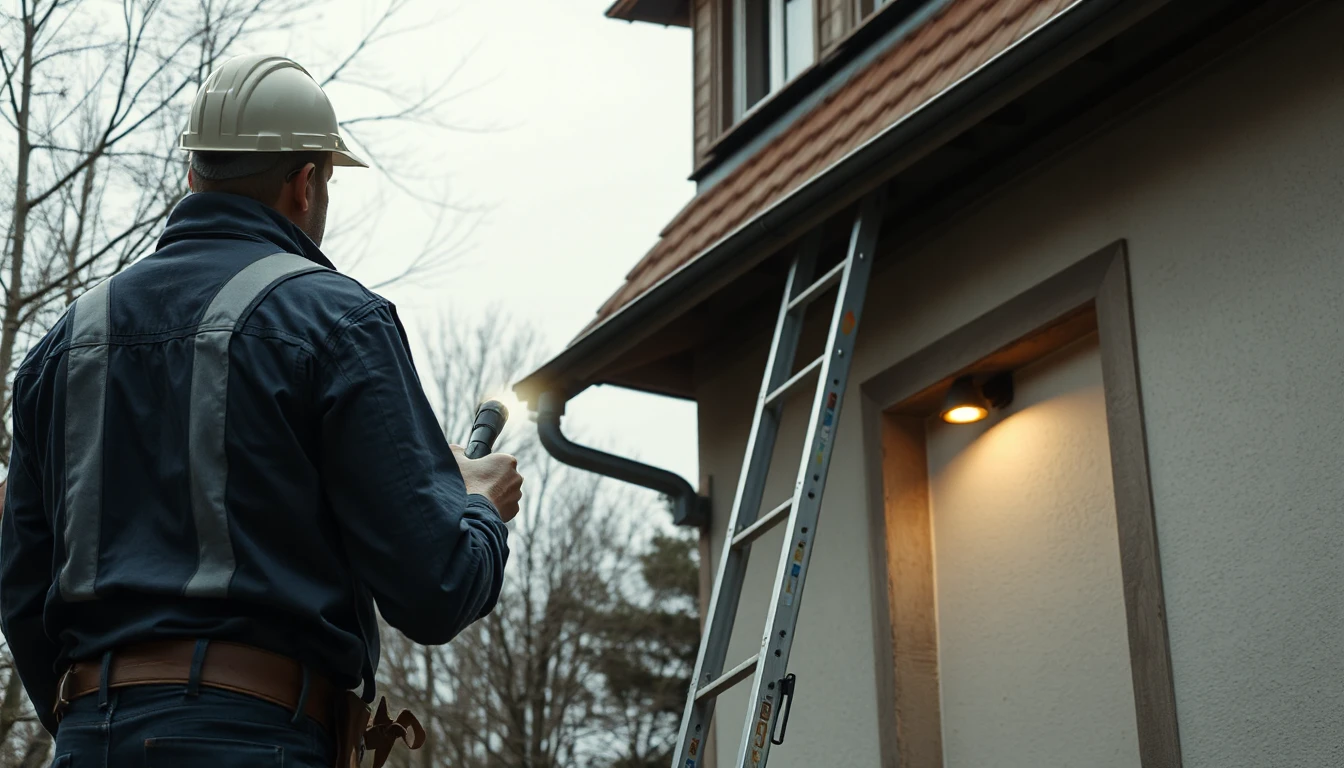
A prospective buyer wants to bring an expert to the next viewing. You are generally willing to clarify questions about the house, but you do not know whether the expert is only to look around or also to measure, open up or take material samples. Our editorial recommendation for Austria and Germany is to agree this appointment in advance as a concrete procedure. This article does not provide a technical diagnosis and does not establish any legal viewing rights.
Understanding the commission of the external expert
Ask for a description of the intended object of inspection and of the planned procedure. Which rooms or building components are to be examined? Are specific documents required? Is a discussion or an actual inspection planned? You do not need to receive the buyer’s entire private advisory mandate for this, but you do need an appropriate organisational framework.
Note who the client is and who is to attend the appointment. An inspection commissioned by the interested party is not automatically your own technical acceptance. Which results you will receive and how they are later interpreted should be expressly discussed.
Do not equate access with intervention
An accessible cellar does not, in practice, permit every conceivable examination. As soon as openings, samples or work are discussed, scope, authorisation, execution, costs and restoration should be appropriately clarified in advance. For common areas, occupied premises or the rights of other persons, additional coordination may be required; this article does not decide those matters.
Have technical measures assessed by the specialists responsible for them. No spontaneous drilling is recommended here as a sensible general viewing routine. Organisational willingness to cooperate does not replace responsibility or a clarified commission.
Check against an imagined course of the appointment
A buyer (female) brings a professional because of a visible spot in the attic. The seller has prepared an appointment to view and discuss. On site it becomes apparent that for a more extensive statement a component opening is being proposed.
The seller treats this as a new step to be agreed. The parties record which question is to be answered by it and what is to be clarified regarding execution and the subsequent condition. They are not obliged to carry out the proposal immediately nor to treat it as a personal assumption. The original appointment can end with a documented limit of inspection.
Provide existing documents purposefully
Assign previous findings and invoices to the area actually inspected. Indicate when documents refer to an earlier condition or a different occasion. A large unsorted folder can leave important questions unanswered, even though many pages are present.
Describe your own observations precisely and leave diagnoses to the professional examination. A result from a limited appointment should also subsequently be understood with its scope. Ask which areas were actually looked at and what remains open.
Conclude with a clear next step
Record whether a question has been answered, a document will be supplied later or a separate inspection appointment is to be considered. New findings also belong in the factual sales and, if applicable, contractual advice. The article does not itself determine which notification is legally required.
A well-prepared expert appointment makes clarification easier because the parties are talking about the same matter. It avoids the unclear situation in which someone expects a mere viewing while another party has already planned an inspection involving interventions.