



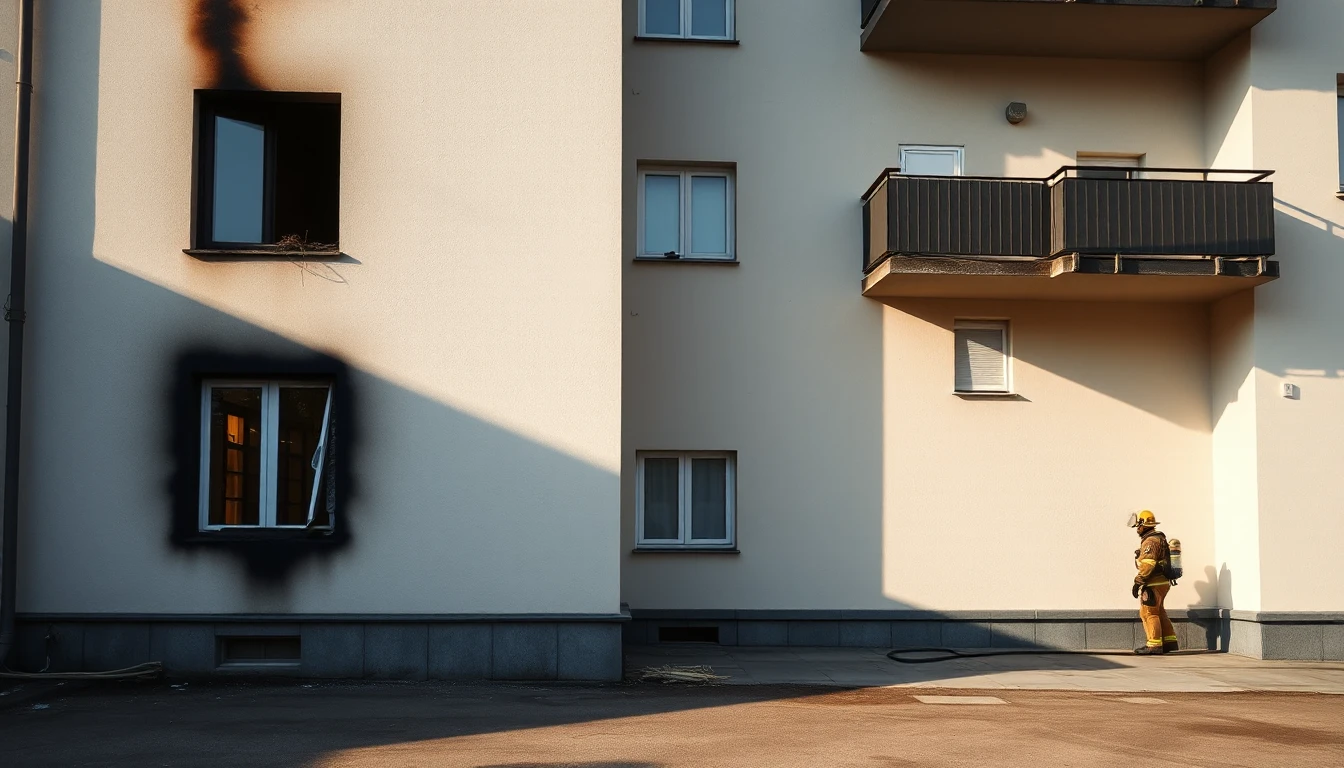
After a water pipe damage in your Austrian rental building the building insurer has reimbursed the repair costs. It now wishes to pursue recourse against a tenant. The tenant points out that they contributed to the insurance premium. For your next response liability, the insurance contract and any possible transfer of claims must all be examined together.
The payment does not create a blanket answer
Section 67(1) VersVG provides that an existing claim for compensation against a third party passes to the insurer to the extent that the insurer has indemnified the loss. [UEBERGANG] That does not yet mean that every demanded recourse payment against the tenant is justified. The specific claim requires its own liability and insurance framework.
First classify the positions actually paid and the recourse now demanded. Which works were paid for, what amount is being asserted against whom and on which alleged incident is it based? An insurance payment must not be uncritically described as proof of a particular degree of fault.
Have the possible waiver of recourse in the contract examined
In 7 Ob 99/23v the OGH deals with a regulated water pipe damage and recourse against a flat tenant. It states that the interpretation of the property insurance contract can result in an implied waiver of recourse for cases of slight negligence. The decisive factor is the apparent alignment of interests at the time of contract conclusion. [OGH]
Interpretation is carried out according to § 914 ABGB. [OGH, VERTRAG] Therefore the complete policy, conditions and supplementary agreements belong in the review. Also have it set out how the letting and use of the building were described in the insurance contract and what premium apportionment actually existed. The mere statement that no waiver is expressly printed does not automatically decide the question of interpretation.
Keep three legal notions separate
A possible waiver of recourse by the insurer is not the same as comprehensive co-insurance with the tenant having its own claims. Likewise the OGH in this case rejects deriving a tacit contractual waiver of landlord liability for slight negligence simply from the premium shifting. [OGH]
This distinction is practical for your communication: do not hastily confirm that the tenant is insured against any personal liability. Nor should you uncritically state that the insurance premium is irrelevant to recourse. The specific insurance contract and the actual facts of the case must be assessed.
Do not transfer the judgment to every course of damage
In the decided case the insurer’s appeal remained unsuccessful. The assessment of the damage as slight negligence was not contested on appeal. Because of the assumed waiver of recourse the OGH did not have to further decide the attribution regarding the involved installation company. [OGH]
That is not a general finding about every kitchen connection and not a discharge for gross negligence. In the new case cause, involvement and the question of fault will be presented with their actual proofs. The property management in letting neither replaces technical appraisal nor legal assessment.
Do not give a premature waiver statement to appease
In the hypothetical case an owner wants to immediately confirm to the unsettled tenant that all claims have been settled. She first has checked which claims have already passed and which declarations she can actually make. Section 67 names consequences for the insurer’s duty to indemnify where claims or security rights are relinquished. [UEBERGANG]
The result is a coordinated response with a reviewed claim status and a clarified next step. Remediation of damage, ongoing residential use and insurance recourse will each be further processed. A completed restoration alone does not end the question of recourse.