




In an Immobiliengespräch two figures are mentioned: approved flats and completed flats. From this one is supposed to deduce how many new listings will soon be available in a municipality. This conclusion skips several different questions.
The Austrian statistics describe construction activity according to specific survey concepts. A concrete purchase or rental offer and its actual occupancy date still require separate documents and enquiries. This article explains a limited method of interpretation; it does not provide a current market forecast nor a recommendation on when to buy.
First note the data type and its purpose
Statistik Austria describes the building permit statistics as a quarterly record of permits for flats and new buildings from the building and dwelling register. The completion statistics report annually on the construction. [AT-BEW, AT-FERT] Thus different statistical processes and temporal perspectives stand side by side.
When reading a source, first copy down its full designation, not just the striking number. Is it about total flats, flats in new buildings, or changes to existing buildings? A building count is not the same unit as a dwelling count.
In the hypothetical reading case an office plans an article about new housing opportunities. It therefore separates the two official data types in its note, instead of simply adding them together as already available listings. The actual question “Which listings can a person searching inquire about today?” remains a different enquiry.
Distinguish period, data extract and publication
A reporting year describes the process under consideration. The data extract denotes the register entry used for the analysis. The publication may occur later. These details are not interchangeable.
Create a short source line for your own interpretation: data type, period considered, area, data status and the location of the explanatory note. If different publications are used, do not assume silently that they share the same analytical status.
Statistik Austria notes for the series considered preliminary results, late reports or supplementary estimates and revisions. [AT-BEW, AT-FERT] For a market text to be reused this means: the actual version used remains traceable. A later different value is initially a reason to compare the data status, not automatically evidence of faulty research.
Take the Vienna note seriously
The pages mention a break in the time series from 2024 due to the availability of Viennese extension, conversion and alteration activities on existing buildings; for completions they also point to possibly still incomplete reports. [AT-BEW, AT-FERT] This methodological note belongs to the interpretation and is not an unimportant footnote.
If your own graphic shows a period across this transition, the editorial team therefore first asks whether the displayed subgroups are comparable. It does not explain a visible jump merely as a real change in construction activity. Nor is a self-chosen correction factor invented.
For a robust numerical comparison the appropriate detailed table and its explanatory notes would need to be evaluated concretely. This article has not recalculated such a series and does not adopt any current total values.
Do not calculate a fixed pipeline from a yearly difference
A simple illustrative calculation can show where the error in thinking lies. Suppose a fictional overview states 20 approved and twelve completed flats in one year. That does not automatically mean eight specific flats that will come onto the market next year. The two groups are not linked as the same individual projects without further information.
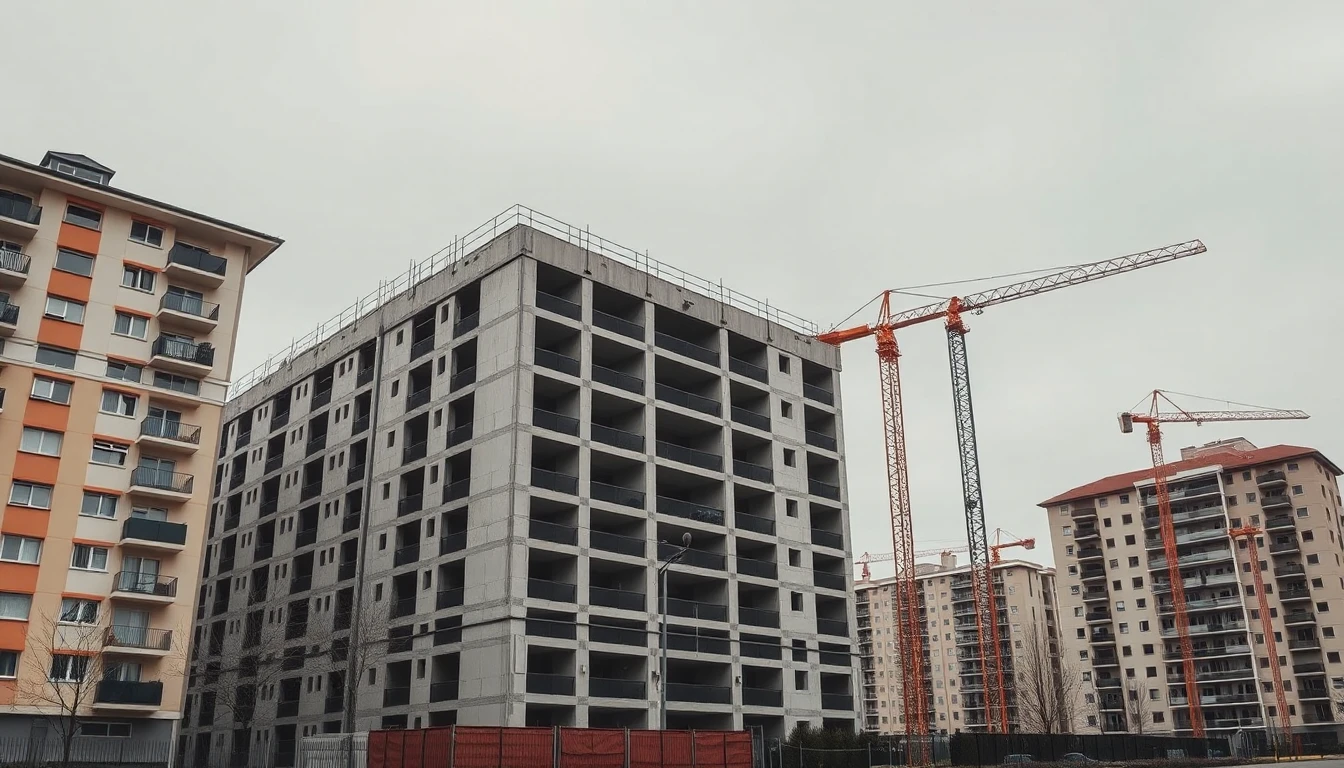
The example values are invented. The purpose is to make the difference between two aggregates and an actually tracked project group visible. For a concrete pipeline you would need information about the named projects, their status and the expectations that can be legitimately derived from them.
Nor does completion alone indicate whether a flat is publicly offered, what use it is intended for or for whom it would be available. Such attributes are not added from a mere total number.
Ask a better question of your own research
For searchers the subsequent question can be: Which actually advertised projects match my needs, and how is their concrete status confirmed? For an editorial office it can be: Which official construction activity series explains part of the regional background, and what does it leave open?
These questions lead to different sources. A public project offering is not an official aggregate statistic. An official aggregate statistic does not replace the documented status of the individual object. A relationship can be described if its limits remain visible.
Conclude the market text with a limited inference
Separate three levels in your own version: what the cited statistic actually records, how you classify this information for the chosen question and what would need to be researched in addition. Phrases about guaranteed future availability or certain price consequences do not belong without appropriate further basis.
The result is a traceable reading of Austrian new-build information. It helps not to mix data types, time statuses and methodological notes. Whether a specific project is authorised, structurally finished, usable or actually available remains to be examined separately in the concrete case.